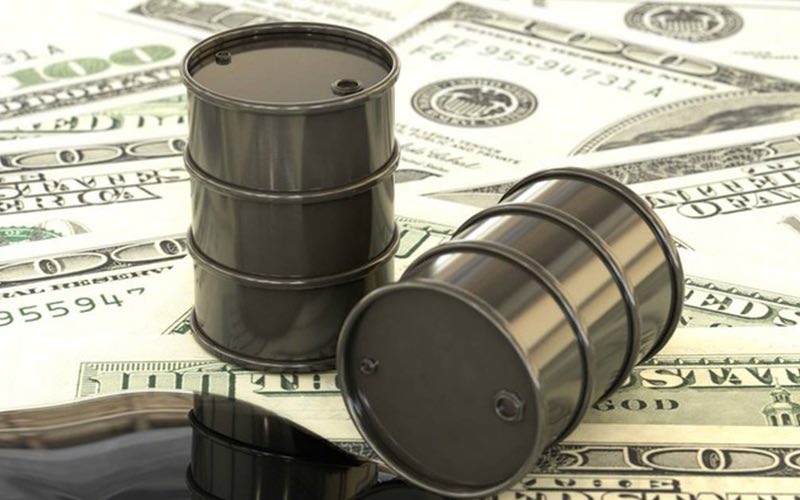
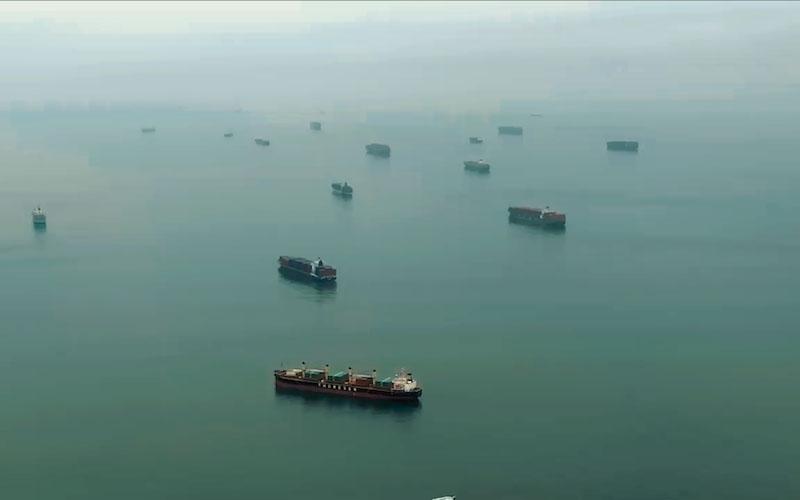
The continued closure of the Strait of Hormuz is causing significant pain to global financial markets.
2026-05-12 16:55:50
Asian currencies have suffered the biggest losses in the foreign exchange market since the US-Israeli attack on Iran in February. Approximately 80% of seaborne oil trade through the Strait of Hormuz typically reaches Asia, making the region one of the most vulnerable to supply disruptions.
The Indonesian rupiah fell to a record low on Tuesday, while currencies of other fuel-importing Asian countries, including India and the Philippines, also hit record lows. Central banks have intervened in the foreign exchange market directly or through state-owned banks for weeks and are seeking further measures. The currencies of South Korea, Thailand, and Malaysia also faced pressure.
"Central banks are reluctant to sell off their foreign exchange reserves. Therefore, we may see more innovative measures to support their currencies," said Barclays' head of Asia FX and interest rate strategy.
This war has put new pressure on the yen. The yen had already weakened due to low interest rates in Japan and market concerns about Prime Minister Sanae Takaichi's loan-driven growth plan.
Japan imports about 95% of its oil from the Middle East, making it highly sensitive to rising energy costs. When the yen slipped towards the 160 mark, authorities intervened to deter speculators.
"With oil prices soaring, traders will naturally attack the yen, as it is a low-yielding currency and its fundamentals are most vulnerable to the negative impact of high oil prices," said a global foreign exchange and interest rate strategist at Macquarie Group. Analysts noted that unless the war eases and interest rates rise quickly, intervention is unlikely to reverse the yen's decline.
The food price volatility triggered by the 2022 Russia-Ukraine conflict has only just begun to ease. A new wave of shocks is looming as Middle East wars squeeze fertilizer supplies and drive up energy costs, and the return of El Niño could further exacerbate these pressures. The Baltic Dry Index is at its highest level since 2023. Emerging economies, where food has a higher weighting in the inflation basket, are likely to suffer the most severe impact.
A HSBC global economist stated, "High food prices are a global problem, but they are particularly pronounced in economies where food constitutes a large portion of the inflation basket or where food supplies are reliant on imports."
Global consumers are feeling the pressure—and one of the first places to see it is at gas stations. Markets are particularly focused on U.S. gasoline prices, which could prompt President Trump to push for a deal ahead of the November midterm elections.
According to data from the automotive advocacy group AAA, the average price of gasoline in the United States has risen from about $3 per gallon to over $4.50.
"If the price continues to rise and heads towards $5, there will be a lot of unease in the US, which could force Trump to change his strategy for the war with Iran again," said the chief market strategist at Zurich Insurance Group. The energy shock will also push up prices for household goods made from oil or natural gas, from toothpaste to laundry detergent. Traders are watching rising inflation expectations, which could prompt central banks to raise interest rates.
The aviation industry is facing its biggest test since the COVID-19 lockdowns of 2020. Since the outbreak of the conflict, jet fuel prices have risen by nearly 84%, and shortages are expected if the fighting does not end soon.
Ultra-low-cost carrier Spirit Airlines ceased operations earlier this month, citing rising fuel prices as the cause of its demise. While some airlines have stated that the risk of supply disruptions is receding, airline stocks continue to underperform. European airline stocks have plunged approximately 14% this year, while the overall market has risen by 3%.
Major bond markets stabilized after an initial sell-off that forced traders to repric their interest rate expectations. However, analysts warn that cracks are reopening and could widen further.
In the UK, political risks are adding to the already strained UK government bond market. Another area of concern is the systemically important US Treasury market, where the 10-year yield is hovering around 4.40%, about 40 basis points higher than pre-war levels. Rising US yields could also squeeze emerging markets that borrow and price their bonds based on US Treasuries.
Zurich Insurance Group warned: "If the 10-year US Treasury yield breaks through 4.5%, it will enter a dangerous zone for the stock and credit markets, which is often destructive."
Many institutions have noted a profound change—the weakening of the US dollar's safe-haven status.
Huatai Securities, in its in-depth macroeconomic research, points out that while energy shortages have caused a short-term "knee-jerk reaction" in the strengthening of the US dollar, the medium- to long-term logic of de-dollarization is stronger. The US-Iran conflict may accelerate the global de-dollarization process, as the war further undermines the "safety" narrative of the dollar as a store of value and medium of exchange, marginally weakening the US national credit and reducing the willingness of global central banks to hold dollar assets.
Deutsche Bank went even further, recommending selling the dollar, arguing that the risk of war with Iran has peaked and the dollar has lost its status as a "high-yield currency." The bank pointed out that the renminbi's outperformance of the dollar indicates that Asian currencies are becoming safer safe-haven assets.
The Institute of World Economics and Politics at the Chinese Academy of Social Sciences analyzed a key signal: the yield on 10-year US Treasury bonds rose instead of falling (geopolitical conflicts should typically drive investors to increase their holdings of US Treasuries), indicating that global investors are questioning the "status" of US Treasuries as a safe-haven asset. If the 10-year US Treasury yield exceeds 4.5%, it will have a devastating impact on the stock and credit markets.
The Indonesian rupiah fell to a record low on Tuesday, while currencies of other fuel-importing Asian countries, including India and the Philippines, also hit record lows. Central banks have intervened in the foreign exchange market directly or through state-owned banks for weeks and are seeking further measures. The currencies of South Korea, Thailand, and Malaysia also faced pressure.
"Central banks are reluctant to sell off their foreign exchange reserves. Therefore, we may see more innovative measures to support their currencies," said Barclays' head of Asia FX and interest rate strategy.
Japan is also under heavy pressure.
This war has put new pressure on the yen. The yen had already weakened due to low interest rates in Japan and market concerns about Prime Minister Sanae Takaichi's loan-driven growth plan.
Japan imports about 95% of its oil from the Middle East, making it highly sensitive to rising energy costs. When the yen slipped towards the 160 mark, authorities intervened to deter speculators.
"With oil prices soaring, traders will naturally attack the yen, as it is a low-yielding currency and its fundamentals are most vulnerable to the negative impact of high oil prices," said a global foreign exchange and interest rate strategist at Macquarie Group. Analysts noted that unless the war eases and interest rates rise quickly, intervention is unlikely to reverse the yen's decline.
Food price shock risk
The food price volatility triggered by the 2022 Russia-Ukraine conflict has only just begun to ease. A new wave of shocks is looming as Middle East wars squeeze fertilizer supplies and drive up energy costs, and the return of El Niño could further exacerbate these pressures. The Baltic Dry Index is at its highest level since 2023. Emerging economies, where food has a higher weighting in the inflation basket, are likely to suffer the most severe impact.
A HSBC global economist stated, "High food prices are a global problem, but they are particularly pronounced in economies where food constitutes a large portion of the inflation basket or where food supplies are reliant on imports."
Consumers' experience of the "pain of high oil prices"
Global consumers are feeling the pressure—and one of the first places to see it is at gas stations. Markets are particularly focused on U.S. gasoline prices, which could prompt President Trump to push for a deal ahead of the November midterm elections.
According to data from the automotive advocacy group AAA, the average price of gasoline in the United States has risen from about $3 per gallon to over $4.50.
"If the price continues to rise and heads towards $5, there will be a lot of unease in the US, which could force Trump to change his strategy for the war with Iran again," said the chief market strategist at Zurich Insurance Group. The energy shock will also push up prices for household goods made from oil or natural gas, from toothpaste to laundry detergent. Traders are watching rising inflation expectations, which could prompt central banks to raise interest rates.
The aviation industry's "fly or fight" dilemma
The aviation industry is facing its biggest test since the COVID-19 lockdowns of 2020. Since the outbreak of the conflict, jet fuel prices have risen by nearly 84%, and shortages are expected if the fighting does not end soon.
Ultra-low-cost carrier Spirit Airlines ceased operations earlier this month, citing rising fuel prices as the cause of its demise. While some airlines have stated that the risk of supply disruptions is receding, airline stocks continue to underperform. European airline stocks have plunged approximately 14% this year, while the overall market has risen by 3%.
Hidden Concerns in the Bond Market
Major bond markets stabilized after an initial sell-off that forced traders to repric their interest rate expectations. However, analysts warn that cracks are reopening and could widen further.
In the UK, political risks are adding to the already strained UK government bond market. Another area of concern is the systemically important US Treasury market, where the 10-year yield is hovering around 4.40%, about 40 basis points higher than pre-war levels. Rising US yields could also squeeze emerging markets that borrow and price their bonds based on US Treasuries.
Zurich Insurance Group warned: "If the 10-year US Treasury yield breaks through 4.5%, it will enter a dangerous zone for the stock and credit markets, which is often destructive."
The credit of the US dollar and global de-dollarization
Many institutions have noted a profound change—the weakening of the US dollar's safe-haven status.
Huatai Securities, in its in-depth macroeconomic research, points out that while energy shortages have caused a short-term "knee-jerk reaction" in the strengthening of the US dollar, the medium- to long-term logic of de-dollarization is stronger. The US-Iran conflict may accelerate the global de-dollarization process, as the war further undermines the "safety" narrative of the dollar as a store of value and medium of exchange, marginally weakening the US national credit and reducing the willingness of global central banks to hold dollar assets.
Deutsche Bank went even further, recommending selling the dollar, arguing that the risk of war with Iran has peaked and the dollar has lost its status as a "high-yield currency." The bank pointed out that the renminbi's outperformance of the dollar indicates that Asian currencies are becoming safer safe-haven assets.
The Institute of World Economics and Politics at the Chinese Academy of Social Sciences analyzed a key signal: the yield on 10-year US Treasury bonds rose instead of falling (geopolitical conflicts should typically drive investors to increase their holdings of US Treasuries), indicating that global investors are questioning the "status" of US Treasuries as a safe-haven asset. If the 10-year US Treasury yield exceeds 4.5%, it will have a devastating impact on the stock and credit markets.
- Risk Warning and Disclaimer
- The market involves risk, and trading may not be suitable for all investors. This article is for reference only and does not constitute personal investment advice, nor does it take into account certain users’ specific investment objectives, financial situation, or other needs. Any investment decisions made based on this information are at your own risk.