Trump's sudden "relinquishment" of the Federal Reserve: Is it a genuine concession, or is high inflation forcing him to back down?
2026-05-20 08:49:10
U.S. President Donald Trump on Tuesday (May 19) gave a new signal regarding the Federal Reserve's policy stance, suggesting he would give incoming Fed Chairman Kevin Warsh some autonomy.
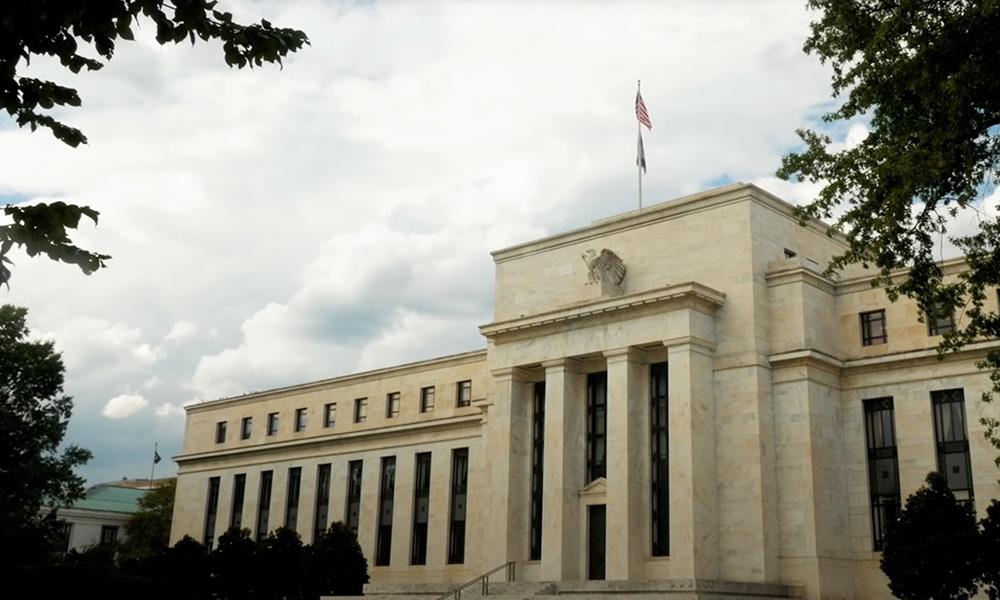
This statement came after he exerted unprecedented public pressure on the Federal Reserve for more than a year, bringing a sigh of relief to Fed watchers.
Trump made the above statement in a media interview. The context of this interview is quite unusual—just days earlier, Trump had been publicly pressuring Walsh to cut interest rates immediately after taking office, saying he would be "disappointed." Now, with Walsh's inauguration day approaching, Trump's tone has clearly softened.
When asked whether Warsh would cut interest rates (although the market currently leans more towards a rate hike), Trump replied, "I'm going to let him do what he wants. He's a very talented person, he'll do a great job, he'll get things done."
Analysts believe that Trump's change of attitude is driven by practical considerations. In the same interview, he acknowledged that rising inflation related to the Iran conflict has complicated the prospect of a US interest rate cut. Trump stated bluntly, "You simply can't see these numbers until the conflict is over," referring to the impact of rising oil prices related to the Iran conflict on inflation. This statement effectively suggests that even if he wanted to continue pressuring for interest rate cuts, the current high inflation environment wouldn't allow it.
Furthermore, Trump emphasized the importance of interest rate cuts for US finances. In the interview, he pointed out that at current interest rates, the US spends approximately $3 billion per day to repay the principal and interest on its $38 trillion debt. This explains Trump's previous insistence on pushing for interest rate cuts—lowering borrowing costs is crucial to alleviating the nation's increasingly heavy debt burden.
However, the reality is that rising energy prices and supply disruptions related to tensions in the Strait of Hormuz are causing the inflation outlook to continue to worsen, which may postpone the possibility of further interest rate cuts in the near future. Trump's remarks, in effect, are an attempt to "unleash" Warsh as he prepares to take office—acknowledging that in the current environment, interest rate decisions can no longer be entirely set according to the White House's wishes.
For the past few months, Trump has exerted immense pressure on outgoing Federal Reserve Chairman Jerome Powell because the Fed has failed to cut interest rates as quickly as he has desired. Trump has repeatedly and publicly attacked Powell, even threatening criminal charges and dismissal, but these threats have ultimately been thwarted because the Fed is accountable to Congress and protected by law. Furthermore, Trump dismissed Fed Governor Tim Cook on charges of mortgage fraud, marking the first time in the Fed's 110-year history that a president has directly removed a governor from office.
Trump's intervention in the Federal Reserve is extremely rare in modern American political history, sparking widespread concerns about the central bank's independence.
A researcher at the Development Research Center of the State Council pointed out that if the president can arbitrarily intervene in the central bank, independent monetary policy will be rendered meaningless. Fitch warned that such intervention has already undermined international investor confidence.
Huatai Securities analysts believe this is the most direct and systematic challenge to the independence of the Federal Reserve in nearly 80 years.
Economists generally believe that Warsh will face a difficult start after being sworn in as Federal Reserve Chairman on Friday. He inherits an extremely complex situation: the US April CPI rose 3.8% year-on-year, a three-year high, and the process of inflation falling back to the 2% target has stalled; the 10-year Treasury yield has broken through 4.6%, and the 30-year yield has stood above 5% for the first time since 2007, breaching the "ceiling" for long-term interest rates; internal divisions within the FOMC have widened, with three dissenting votes at the April meeting, and some members beginning to discuss signals for interest rate hikes.
The core question that has drawn significant attention is whether Warsh can formulate a policy path independent of the president's wishes ahead of the November midterm elections. Trump has repeatedly called for interest rate cuts, and Warsh was his personally nominated chair. However, Warsh has clearly stated at his Senate hearings that he will base his decisions on "analytical rigor" and data, rather than serving a political agenda, and his past "inflation hawk" stance is well-known to the market.
The market will be closely watching Warsh's first public speech since taking office and the June 17 FOMC meeting—his first interest rate decision, which will also be accompanied by the release of the latest summary of economic projections and the dot plot. For Warsh, this "debut" is not only about interest rate judgments, but also a comprehensive test of his policy framework, communication skills, and independence. The bond market has already drawn policy boundaries; now it remains to be seen how Warsh will respond.
Walsh himself stated at the hearing that he would not "pre-commit" to any policy path, but his past "inflation hawk" stance and optimistic assessment of AI-driven productivity growth have led to polarized interpretations of his policy inclinations in the market.
ING believes that Warsh, based on optimistic expectations of AI productivity and the benefits of Trump's policies, will push for interest rate cuts in the short term, with a projected 75 basis point cut this year.
Commerzbank expects the Federal Reserve to cut interest rates three times this year and warns that in the long run, the Fed's independence may be "gradually eroded" by political pressure.
Ed Yardeni Research points out that with inflation rebounding and bond market sentiment extremely sensitive, Warsh might need to shift towards interest rate hikes if he wants to solidify policy credibility. The Federal Reserve may raise interest rates by 25 basis points in July and remove guidance on rate cuts from its June meeting statement.
Trump signaled a "hands-off" stance as Warsh was about to take office, a stark contrast to the sustained pressure he had exerted on Powell over the past year. However, markets and economists remain cautious—Wash's ability to truly defy political pressure from the White House, especially with the midterm elections approaching, will be his first major test. The Fed's credibility and the market's anchoring of inflation expectations largely depend on whether the policy signals Warsh sends at the outset are firm and clear enough.
This statement came after he exerted unprecedented public pressure on the Federal Reserve for more than a year, bringing a sigh of relief to Fed watchers.
Trump stated that Warsh was "a very talented person."
Trump made the above statement in a media interview. The context of this interview is quite unusual—just days earlier, Trump had been publicly pressuring Walsh to cut interest rates immediately after taking office, saying he would be "disappointed." Now, with Walsh's inauguration day approaching, Trump's tone has clearly softened.
When asked whether Warsh would cut interest rates (although the market currently leans more towards a rate hike), Trump replied, "I'm going to let him do what he wants. He's a very talented person, he'll do a great job, he'll get things done."
Analysts believe that Trump's change of attitude is driven by practical considerations. In the same interview, he acknowledged that rising inflation related to the Iran conflict has complicated the prospect of a US interest rate cut. Trump stated bluntly, "You simply can't see these numbers until the conflict is over," referring to the impact of rising oil prices related to the Iran conflict on inflation. This statement effectively suggests that even if he wanted to continue pressuring for interest rate cuts, the current high inflation environment wouldn't allow it.
Furthermore, Trump emphasized the importance of interest rate cuts for US finances. In the interview, he pointed out that at current interest rates, the US spends approximately $3 billion per day to repay the principal and interest on its $38 trillion debt. This explains Trump's previous insistence on pushing for interest rate cuts—lowering borrowing costs is crucial to alleviating the nation's increasingly heavy debt burden.
However, the reality is that rising energy prices and supply disruptions related to tensions in the Strait of Hormuz are causing the inflation outlook to continue to worsen, which may postpone the possibility of further interest rate cuts in the near future. Trump's remarks, in effect, are an attempt to "unleash" Warsh as he prepares to take office—acknowledging that in the current environment, interest rate decisions can no longer be entirely set according to the White House's wishes.
Background: Trump has been pressuring Powell for months.
For the past few months, Trump has exerted immense pressure on outgoing Federal Reserve Chairman Jerome Powell because the Fed has failed to cut interest rates as quickly as he has desired. Trump has repeatedly and publicly attacked Powell, even threatening criminal charges and dismissal, but these threats have ultimately been thwarted because the Fed is accountable to Congress and protected by law. Furthermore, Trump dismissed Fed Governor Tim Cook on charges of mortgage fraud, marking the first time in the Fed's 110-year history that a president has directly removed a governor from office.
Trump's intervention in the Federal Reserve is extremely rare in modern American political history, sparking widespread concerns about the central bank's independence.
A researcher at the Development Research Center of the State Council pointed out that if the president can arbitrarily intervene in the central bank, independent monetary policy will be rendered meaningless. Fitch warned that such intervention has already undermined international investor confidence.
Huatai Securities analysts believe this is the most direct and systematic challenge to the independence of the Federal Reserve in nearly 80 years.
Outlook: Walsh may face a difficult start to his tenure.
Economists generally believe that Warsh will face a difficult start after being sworn in as Federal Reserve Chairman on Friday. He inherits an extremely complex situation: the US April CPI rose 3.8% year-on-year, a three-year high, and the process of inflation falling back to the 2% target has stalled; the 10-year Treasury yield has broken through 4.6%, and the 30-year yield has stood above 5% for the first time since 2007, breaching the "ceiling" for long-term interest rates; internal divisions within the FOMC have widened, with three dissenting votes at the April meeting, and some members beginning to discuss signals for interest rate hikes.
The core question that has drawn significant attention is whether Warsh can formulate a policy path independent of the president's wishes ahead of the November midterm elections. Trump has repeatedly called for interest rate cuts, and Warsh was his personally nominated chair. However, Warsh has clearly stated at his Senate hearings that he will base his decisions on "analytical rigor" and data, rather than serving a political agenda, and his past "inflation hawk" stance is well-known to the market.
The market will be closely watching Warsh's first public speech since taking office and the June 17 FOMC meeting—his first interest rate decision, which will also be accompanied by the release of the latest summary of economic projections and the dot plot. For Warsh, this "debut" is not only about interest rate judgments, but also a comprehensive test of his policy framework, communication skills, and independence. The bond market has already drawn policy boundaries; now it remains to be seen how Warsh will respond.
Interest Rate Cut Expectations: A Dramatic Divergence from "Interest Rate Cuts" to "Interest Rate Hikes"
Walsh himself stated at the hearing that he would not "pre-commit" to any policy path, but his past "inflation hawk" stance and optimistic assessment of AI-driven productivity growth have led to polarized interpretations of his policy inclinations in the market.
ING believes that Warsh, based on optimistic expectations of AI productivity and the benefits of Trump's policies, will push for interest rate cuts in the short term, with a projected 75 basis point cut this year.
Commerzbank expects the Federal Reserve to cut interest rates three times this year and warns that in the long run, the Fed's independence may be "gradually eroded" by political pressure.
Ed Yardeni Research points out that with inflation rebounding and bond market sentiment extremely sensitive, Warsh might need to shift towards interest rate hikes if he wants to solidify policy credibility. The Federal Reserve may raise interest rates by 25 basis points in July and remove guidance on rate cuts from its June meeting statement.
Trump's stance has softened, but Warsh's test of independence has just begun.
Trump signaled a "hands-off" stance as Warsh was about to take office, a stark contrast to the sustained pressure he had exerted on Powell over the past year. However, markets and economists remain cautious—Wash's ability to truly defy political pressure from the White House, especially with the midterm elections approaching, will be his first major test. The Fed's credibility and the market's anchoring of inflation expectations largely depend on whether the policy signals Warsh sends at the outset are firm and clear enough.
- Risk Warning and Disclaimer
- The market involves risk, and trading may not be suitable for all investors. This article is for reference only and does not constitute personal investment advice, nor does it take into account certain users’ specific investment objectives, financial situation, or other needs. Any investment decisions made based on this information are at your own risk.