A Helmsman Amidst the Inflation Storm: Warsh's Appointment as Federal Reserve Chairman – A Dual Game of Politics and Economics
2026-05-25 09:09:18
On Friday, May 22, a highly sensitive time for the US economy, Kevin Warsh was officially sworn in as the new Chairman of the Federal Reserve. His appointment comes at a time of multiple economic shocks: soaring gasoline prices triggered by the Iran war are pushing up inflation and severely weakening consumer confidence. These intertwined factors have placed monetary policy in a politically charged dilemma. Warsh's inauguration ceremony was held in the East Room of the White House, presided over by Supreme Court Justice Clarence Thomas. Wearing a dark suit and tie, Warsh, accompanied by his wife, Jane Lauder, heiress to the Estée Lauder brand, listened to President Trump's lengthy introductory remarks. Several high-ranking cabinet officials were present, including Treasury Secretary Bessant and Warsh's longtime friend, former Secretary of State Condoleezza Rice, making the occasion both solemn and politically charged.
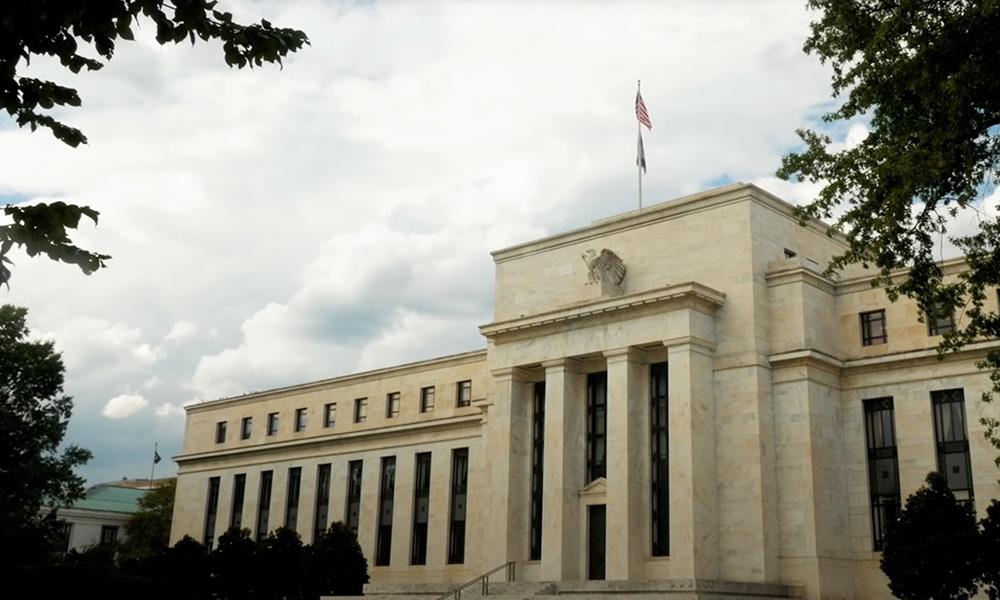
At the ceremony, President Trump made it clear that Warsh would receive "the full support of this administration." It's worth noting that Trump has frequently criticized former Chairman Powell for failing to significantly cut interest rates; now, he wants Warsh to be "completely independent" in his new position while simultaneously urging him to recognize that "growth does not mean inflation."
This statement demonstrated the White House's trust in the new leadership of the Federal Reserve and also implied expectations for future policy direction. Following this, Warsh briefly stated that returning to public service was a "lifelong honor" and pledged to lead a "reform-oriented" Federal Reserve. He indicated that he would learn from past successes and failures, moving away from rigid frameworks and models while adhering to clear standards of integrity and performance.
The new chairman faces considerable challenges. The rapid development of artificial intelligence technology is bringing about profound economic changes, which Federal Reserve officials believe could have far-reaching impacts on workers, businesses, and consumers. However, Warsh and his colleagues are finding it difficult to accurately assess its effects in the short term.
At the same time, inflation is already high and may continue to rise. The US economy is facing a series of shocks: oil prices have risen above $100 a barrel, driven by the US-Israel war against Iran; in addition, high tariffs and rising costs for utilities and other services due to the widespread adoption of artificial intelligence are also increasing.
A consumer survey released by the University of Michigan last Friday showed that consumer confidence has fallen to a historic low, with optimism among Republicans and independent voters dropping to its lowest level since Trump's second term, undoubtedly highlighting the dual pressures of political and economic risks.
The debate surrounding the future policy of the Federal Reserve has intensified. Federal Reserve Governor Christopher Waller—also appointed by Trump and a former candidate for chairman—stated on Friday that his position has shifted significantly. He supports the views of dissenting officials that the Fed should remove the "accommodative bias" from its policy outlook and open up room for possible interest rate hikes.
Waller explicitly stated that, given the latest data showing inflation is escalating across the board, the Federal Reserve should "clearly indicate that the likelihood of future rate cuts and rate hikes is roughly equal."
This statement directly fueled market bets that interest rates could rise as early as October 2026. Warsh, 56, won Trump's support after a year-long public contest during which he proposed ambitious reforms, arguing that the Federal Reserve had already begun to "deviate from its course" as early as 2011 when he left his post as a Federal Reserve governor in opposition to quantitative easing.
During his Senate confirmation hearing, Warsh stated, "Inflation is something the Fed can choose to control." By adjusting short-term interest rates, the Fed can stimulate or suppress spending, thereby keeping inflation within its target level. However, this inflation target has been unmet for more than five consecutive years, and current actual inflation is more than one percentage point above the target. Lowering inflation again could involve difficult choices that sometimes conflict with the Trump administration's policy objectives and may also contradict the Fed's other mandate of achieving full employment.
As the 11th Chairman of the Federal Reserve, Warsh faced multiple pressures from the outset: global bond markets had seen interest rates soar due to inflation concerns; colleagues such as Waller had begun to hint that interest rate hikes might be necessary; and Trump had previously viewed interest rate hikes as a political blow to his economic policies and had harshly criticized Powell for failing to lower borrowing costs.
The Federal Reserve's next policy meeting will be held on June 16-17, at which time it will decide on interest rates and release a new policy statement and economic projections. One of Warsh's first key decisions since taking office is whether to submit his year-end interest rate forecast in the interest rate "dot plot." This decision will show whether his views are similar to those of his colleagues whom he has criticized for "groupthink," or whether he stands out as a prominent "outlier," potentially further disrupting market expectations that have already pushed up long-term U.S. interest rates.
In his inauguration speech, Trump noted that the stock market rally indicated investor approval of the new Federal Reserve Chairman. However, this brief period of positive momentum cannot mask the complexity and uncertainty ahead. Whether Warsh can strike a balance between political maneuvering and professional judgment, and whether he can lead the Fed out of the dilemma of inflation and employment, will be the focus of attention for the US economy and even global financial markets in the coming months.
Question 1: Why did Warsh take over as Chairman of the Federal Reserve at this time? What pressing challenges does the US economy currently face?
A: Warsh took office against the backdrop of a critical turning point for the US economy. The Iran war led to soaring gasoline prices, pushing inflation consistently above the Fed's 2% target. Meanwhile, consumer confidence plummeted to historic lows, and the economic growth outlook remained uncertain. Former Chairman Powell failed to secure re-election due to disagreements with Trump over interest rate policy, and Trump hoped Warsh could more flexibly balance inflation control and economic growth.
Question 2: What exactly does Warsh mean by a "reformed Federal Reserve"? What are the core elements of his reform proposals?
A: Warsh's "reformist Fed" was a critique of the institution's gradual "deviation from its course" after his departure in 2011. His reform proposals included: moving away from rigid policy frameworks and forecasting models, avoiding "herd mentality," and strengthening integrity and performance standards. He believed the Fed relied too heavily on unconventional tools like quantitative easing and hoped to restore price stability through more transparent and flexible interest rate decisions, while avoiding excessive market intervention.
Question 3: Why are there policy disagreements within the Federal Reserve? What does Governor Waller's change of stance signify?
A: The division within the Federal Reserve centers on whether it should maintain its "accommodative bias" (i.e., prioritize interest rate cuts). Waller, previously leaning dovish, has shifted his stance to supporting the removal of the accommodative bias in the face of recent data showing a broad-based increase in inflation, and has publicly stated that future rate hikes and cuts are equally likely. This shift signifies a strengthening of the Fed's resolve to combat inflation, leading the market to bet on a rate hike as early as October.
Question 4: How do we understand the contradiction between the Trump administration's support for Warsh's independent decision-making and its pressure on his policy direction?
A: Trump has publicly stated his desire for Warsh to be "completely independent," but at the same time, he emphasizes that "growth does not mean inflation." This is essentially a reminder to Warsh not to raise interest rates excessively and stifle economic growth. While Trump has previously harshly criticized Powell for not significantly cutting interest rates, his core demand remains maintaining economic expansion to benefit his political agenda. Warsh's challenge is how to uphold the independence of the Federal Reserve system without offending the White House's political expectations.
Question 5: What was Walsh's first key decision after taking office? Why was it so important?
A: Warsh's first key decision was at the mid-June policy meeting whether to submit his year-end interest rate forecast in the "dot plot." This decision was important because it would convey Warsh's policy inclination to the market: if his forecast was similar to his colleagues', it would indicate that he was continuing the existing consensus; if it deviated significantly (for example, favoring rate hikes), he could be seen as an "outlier," further disrupting long-term interest rate expectations that had already risen due to inflation concerns and exacerbating market volatility.
A delicate balance between political support and independence
At the ceremony, President Trump made it clear that Warsh would receive "the full support of this administration." It's worth noting that Trump has frequently criticized former Chairman Powell for failing to significantly cut interest rates; now, he wants Warsh to be "completely independent" in his new position while simultaneously urging him to recognize that "growth does not mean inflation."
This statement demonstrated the White House's trust in the new leadership of the Federal Reserve and also implied expectations for future policy direction. Following this, Warsh briefly stated that returning to public service was a "lifelong honor" and pledged to lead a "reform-oriented" Federal Reserve. He indicated that he would learn from past successes and failures, moving away from rigid frameworks and models while adhering to clear standards of integrity and performance.
Inflationary pressures: An economic predicament under multiple shocks
The new chairman faces considerable challenges. The rapid development of artificial intelligence technology is bringing about profound economic changes, which Federal Reserve officials believe could have far-reaching impacts on workers, businesses, and consumers. However, Warsh and his colleagues are finding it difficult to accurately assess its effects in the short term.
At the same time, inflation is already high and may continue to rise. The US economy is facing a series of shocks: oil prices have risen above $100 a barrel, driven by the US-Israel war against Iran; in addition, high tariffs and rising costs for utilities and other services due to the widespread adoption of artificial intelligence are also increasing.
A consumer survey released by the University of Michigan last Friday showed that consumer confidence has fallen to a historic low, with optimism among Republicans and independent voters dropping to its lowest level since Trump's second term, undoubtedly highlighting the dual pressures of political and economic risks.
Policy divergences intensify: Calls for interest rate hikes and internal divisions
The debate surrounding the future policy of the Federal Reserve has intensified. Federal Reserve Governor Christopher Waller—also appointed by Trump and a former candidate for chairman—stated on Friday that his position has shifted significantly. He supports the views of dissenting officials that the Fed should remove the "accommodative bias" from its policy outlook and open up room for possible interest rate hikes.
Waller explicitly stated that, given the latest data showing inflation is escalating across the board, the Federal Reserve should "clearly indicate that the likelihood of future rate cuts and rate hikes is roughly equal."
This statement directly fueled market bets that interest rates could rise as early as October 2026. Warsh, 56, won Trump's support after a year-long public contest during which he proposed ambitious reforms, arguing that the Federal Reserve had already begun to "deviate from its course" as early as 2011 when he left his post as a Federal Reserve governor in opposition to quantitative easing.
A Difficult Choice: The Inflation Target vs. Full Employment
During his Senate confirmation hearing, Warsh stated, "Inflation is something the Fed can choose to control." By adjusting short-term interest rates, the Fed can stimulate or suppress spending, thereby keeping inflation within its target level. However, this inflation target has been unmet for more than five consecutive years, and current actual inflation is more than one percentage point above the target. Lowering inflation again could involve difficult choices that sometimes conflict with the Trump administration's policy objectives and may also contradict the Fed's other mandate of achieving full employment.
As the 11th Chairman of the Federal Reserve, Warsh faced multiple pressures from the outset: global bond markets had seen interest rates soar due to inflation concerns; colleagues such as Waller had begun to hint that interest rate hikes might be necessary; and Trump had previously viewed interest rate hikes as a political blow to his economic policies and had harshly criticized Powell for failing to lower borrowing costs.
The Federal Reserve's next policy meeting will be held on June 16-17, at which time it will decide on interest rates and release a new policy statement and economic projections. One of Warsh's first key decisions since taking office is whether to submit his year-end interest rate forecast in the interest rate "dot plot." This decision will show whether his views are similar to those of his colleagues whom he has criticized for "groupthink," or whether he stands out as a prominent "outlier," potentially further disrupting market expectations that have already pushed up long-term U.S. interest rates.
Summary: The market is showing initial acceptance, but the road ahead remains challenging.
In his inauguration speech, Trump noted that the stock market rally indicated investor approval of the new Federal Reserve Chairman. However, this brief period of positive momentum cannot mask the complexity and uncertainty ahead. Whether Warsh can strike a balance between political maneuvering and professional judgment, and whether he can lead the Fed out of the dilemma of inflation and employment, will be the focus of attention for the US economy and even global financial markets in the coming months.
Frequently Asked Questions
Question 1: Why did Warsh take over as Chairman of the Federal Reserve at this time? What pressing challenges does the US economy currently face?
A: Warsh took office against the backdrop of a critical turning point for the US economy. The Iran war led to soaring gasoline prices, pushing inflation consistently above the Fed's 2% target. Meanwhile, consumer confidence plummeted to historic lows, and the economic growth outlook remained uncertain. Former Chairman Powell failed to secure re-election due to disagreements with Trump over interest rate policy, and Trump hoped Warsh could more flexibly balance inflation control and economic growth.
Question 2: What exactly does Warsh mean by a "reformed Federal Reserve"? What are the core elements of his reform proposals?
A: Warsh's "reformist Fed" was a critique of the institution's gradual "deviation from its course" after his departure in 2011. His reform proposals included: moving away from rigid policy frameworks and forecasting models, avoiding "herd mentality," and strengthening integrity and performance standards. He believed the Fed relied too heavily on unconventional tools like quantitative easing and hoped to restore price stability through more transparent and flexible interest rate decisions, while avoiding excessive market intervention.
Question 3: Why are there policy disagreements within the Federal Reserve? What does Governor Waller's change of stance signify?
A: The division within the Federal Reserve centers on whether it should maintain its "accommodative bias" (i.e., prioritize interest rate cuts). Waller, previously leaning dovish, has shifted his stance to supporting the removal of the accommodative bias in the face of recent data showing a broad-based increase in inflation, and has publicly stated that future rate hikes and cuts are equally likely. This shift signifies a strengthening of the Fed's resolve to combat inflation, leading the market to bet on a rate hike as early as October.
Question 4: How do we understand the contradiction between the Trump administration's support for Warsh's independent decision-making and its pressure on his policy direction?
A: Trump has publicly stated his desire for Warsh to be "completely independent," but at the same time, he emphasizes that "growth does not mean inflation." This is essentially a reminder to Warsh not to raise interest rates excessively and stifle economic growth. While Trump has previously harshly criticized Powell for not significantly cutting interest rates, his core demand remains maintaining economic expansion to benefit his political agenda. Warsh's challenge is how to uphold the independence of the Federal Reserve system without offending the White House's political expectations.
Question 5: What was Walsh's first key decision after taking office? Why was it so important?
A: Warsh's first key decision was at the mid-June policy meeting whether to submit his year-end interest rate forecast in the "dot plot." This decision was important because it would convey Warsh's policy inclination to the market: if his forecast was similar to his colleagues', it would indicate that he was continuing the existing consensus; if it deviated significantly (for example, favoring rate hikes), he could be seen as an "outlier," further disrupting long-term interest rate expectations that had already risen due to inflation concerns and exacerbating market volatility.
- Risk Warning and Disclaimer
- The market involves risk, and trading may not be suitable for all investors. This article is for reference only and does not constitute personal investment advice, nor does it take into account certain users’ specific investment objectives, financial situation, or other needs. Any investment decisions made based on this information are at your own risk.