Five "agreements announced," zero actual agreements reached—oil prices were tossed around by the "boy who cried wolf" rhetoric for three months.
2026-05-26 13:54:41
International crude oil markets rebounded in Asian trading on Tuesday (May 26), with West Texas Intermediate (WTI) crude oil prices rising above $92 per barrel, ending a four-day losing streak. Previously, on Monday (May 25), WTI crude oil futures had plunged nearly 7%, hitting a low near $90, driven by optimism surrounding US-Iran negotiations.
This rebound occurred after the market had digested the optimistic expectations since the weekend, while US Secretary of State Rubio's latest remarks on Tuesday revealed the complexities that still exist in diplomatic progress.
Rubio stated that the Strait of Hormuz will be opened "in any way"—either through a diplomatic agreement or by force, and the United States is prepared for both outcomes. As the US-Iran negotiations in Qatar enter the final stage of finalizing the wording of the agreement, this process could take several more days.
Rubio confirmed that talks took place in Doha on Monday, but described the discussions as technical work on the specific wording of a preliminary framework document, rather than substantive negotiations that were close to a resolution. He indicated that finalizing the text of the agreement could take several more days, suggesting that a breakthrough was unlikely in the short term.
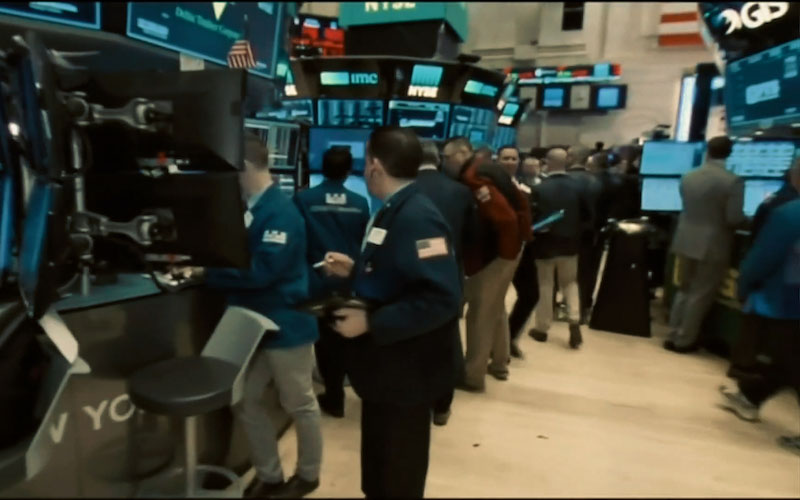
Oil prices fell nearly 7% on Monday, coinciding with the Memorial Day holiday, amid tight liquidity, as news emerged that progress had been made in the Doha talks, with the market pricing in the prospect of a near-term agreement.
Jeff Currie, former head of commodities research at Goldman Sachs and now an energy advisor at Carlyle Group, summarized this pattern in one sentence: "Sell tweets, buy hard assets," citing a stark historical record: since the outbreak of the war, there have been five "agreement announcements," but zero trades have been executed.
Iran's negotiating leverage is accumulating rather than weakening over time. Global oil inventories are still being depleted significantly each week, falling by 17 million barrels in just one week. Some Asian markets have already reached their lower storage limits, Europe will face pressure in the coming weeks, and the US may experience supply shortages in July.
Rubio, however, offered a more cautious description of the same talks: much of the back-and-forth was focused on specific wording, with no active formal negotiation arrangements and no indication that the core issues had been resolved. While US officials claimed a framework agreement was "95% complete," Iranian Foreign Ministry spokesman Bagaei explicitly stated that Iran would not discuss specific details of the Strait of Hormuz's administration in its memorandum of understanding with the US, and that the administration of the strait was a matter for the littoral states themselves.
More importantly, a senior Iranian diplomat revealed that neither the US nor Iran made any commitments regarding the nuclear issue or highly enriched uranium in the preliminary draft agreement reached by both sides. In other words, despite broad apparent consensus, the most fundamental differences remain unresolved—including uranium enrichment, the lifting of sanctions, and long-term control of the Strait of Hormuz.
The gap between market optimism and diplomatic reality may be larger than Monday's price volatility suggests. A source familiar with the Iranian high-level delegation's talks in Doha said that, with Qatar's mediation, the US and Iran have reached an understanding on freezing financial assets, and the two sides are "very likely" to announce an agreement on the 26th. Even so, Iran has emphasized that this does not mean a comprehensive agreement is imminent, and that the US's erratic stance has complicated the negotiations.
However, the most crucial part of Rubio's remarks was not about the negotiations themselves.
When asked about the earlier U.S. strikes that day against Iranian missile launch sites and ships attempting to lay mines in the Persian Gulf, Rubio stated bluntly: the Strait of Hormuz must be open, and it will be open "anyway." This statement—said in the same context as acknowledging that diplomacy is still struggling to advance in terms of textual wording—clearly places military options on the table as an equally effective path to reopening the waterway.
This aligns with the U.S. Central Command's self-defense characterization of the earlier strikes and its policy statement on maintaining restraint during the ceasefire, but goes further: it indicates that Washington's patience for the continued closure of the Strait is limited, and the timeline is being measured in days rather than weeks.
The day's events vividly illustrated the volatility of this environment. Hours before Rubio's speech, explosions were reported in Bandar Abbas, Sirik, and Jask, and the Central Command subsequently confirmed strikes against missile launch sites and mine-laying vessels of the Iranian Revolutionary Guard. The ceasefire, which the market had been trading as an impending reality, appeared more fragile by the close of the trading day.
Rubio's remarks linked diplomatic and military threads. The wording of the agreement could be finalized within days. If not, or if Iranian forces continue to test the ceasefire, the Secretary of State has made the US position clear. For the energy market, the reopening of the Strait is the endpoint, but the path to that endpoint remains fiercely contested.
Rubio's statement that the Strait of Hormuz would be open "anyway" represents the clearest indication from the US to date: the US is prepared to use sustained military force to reopen the waterway if diplomacy fails. This framework means that even if the market has already reached a pricing agreement, a substantial geopolitical risk premium will still be embedded in oil prices. The admission that negotiators are still scrambling over the wording of a preliminary document (rather than a final agreement) means that any timeline for supply normalization is longer than suggested by Monday's 7% price drop.
The energy market needs to consider two scenarios simultaneously: one is the resumption of negotiations that may occur within days, and the other is the scenario where US military action becomes a mechanism for forcibly opening the Strait, accompanied by an escalation of all related supply disruption risks.
In conclusion, the US-Iran negotiations are currently in a tug-of-war over the wording of the agreement, and the likelihood of reaching a deal in the short term is limited. Rubio has clearly stated that the Strait of Hormuz will be open, whether through diplomacy or force. This stance implies that even if an agreement is reached, the geopolitical risk premium in oil prices will not completely disappear.
The market needs to prepare for two scenarios: downward pressure on oil prices from an agreement reached within days, and the risk of supply disruptions due to a breakdown in negotiations and escalation of military conflict. In the short term, oil prices are expected to remain volatile at high levels, with the direction depending on the substantive progress of the US-Iran negotiations and the navigation status of the Strait of Hormuz.
At 13:53 Beijing time on May 26, WTI crude oil futures were trading at $92.07 per barrel.
This rebound occurred after the market had digested the optimistic expectations since the weekend, while US Secretary of State Rubio's latest remarks on Tuesday revealed the complexities that still exist in diplomatic progress.
Rubio stated that the Strait of Hormuz will be opened "in any way"—either through a diplomatic agreement or by force, and the United States is prepared for both outcomes. As the US-Iran negotiations in Qatar enter the final stage of finalizing the wording of the agreement, this process could take several more days.
Rubio confirmed that talks took place in Doha on Monday, but described the discussions as technical work on the specific wording of a preliminary framework document, rather than substantive negotiations that were close to a resolution. He indicated that finalizing the text of the agreement could take several more days, suggesting that a breakthrough was unlikely in the short term.
There is a gap between market optimism and diplomatic reality.
Oil prices fell nearly 7% on Monday, coinciding with the Memorial Day holiday, amid tight liquidity, as news emerged that progress had been made in the Doha talks, with the market pricing in the prospect of a near-term agreement.
Jeff Currie, former head of commodities research at Goldman Sachs and now an energy advisor at Carlyle Group, summarized this pattern in one sentence: "Sell tweets, buy hard assets," citing a stark historical record: since the outbreak of the war, there have been five "agreement announcements," but zero trades have been executed.
Iran's negotiating leverage is accumulating rather than weakening over time. Global oil inventories are still being depleted significantly each week, falling by 17 million barrels in just one week. Some Asian markets have already reached their lower storage limits, Europe will face pressure in the coming weeks, and the US may experience supply shortages in July.
Rubio, however, offered a more cautious description of the same talks: much of the back-and-forth was focused on specific wording, with no active formal negotiation arrangements and no indication that the core issues had been resolved. While US officials claimed a framework agreement was "95% complete," Iranian Foreign Ministry spokesman Bagaei explicitly stated that Iran would not discuss specific details of the Strait of Hormuz's administration in its memorandum of understanding with the US, and that the administration of the strait was a matter for the littoral states themselves.
More importantly, a senior Iranian diplomat revealed that neither the US nor Iran made any commitments regarding the nuclear issue or highly enriched uranium in the preliminary draft agreement reached by both sides. In other words, despite broad apparent consensus, the most fundamental differences remain unresolved—including uranium enrichment, the lifting of sanctions, and long-term control of the Strait of Hormuz.
The gap between market optimism and diplomatic reality may be larger than Monday's price volatility suggests. A source familiar with the Iranian high-level delegation's talks in Doha said that, with Qatar's mediation, the US and Iran have reached an understanding on freezing financial assets, and the two sides are "very likely" to announce an agreement on the 26th. Even so, Iran has emphasized that this does not mean a comprehensive agreement is imminent, and that the US's erratic stance has complicated the negotiations.
Military options are on the table: the Strait must be opened "no matter what".
However, the most crucial part of Rubio's remarks was not about the negotiations themselves.
When asked about the earlier U.S. strikes that day against Iranian missile launch sites and ships attempting to lay mines in the Persian Gulf, Rubio stated bluntly: the Strait of Hormuz must be open, and it will be open "anyway." This statement—said in the same context as acknowledging that diplomacy is still struggling to advance in terms of textual wording—clearly places military options on the table as an equally effective path to reopening the waterway.
This aligns with the U.S. Central Command's self-defense characterization of the earlier strikes and its policy statement on maintaining restraint during the ceasefire, but goes further: it indicates that Washington's patience for the continued closure of the Strait is limited, and the timeline is being measured in days rather than weeks.
US-Iran negotiations and military operations proceed in parallel; geopolitical risk premium remains.
The day's events vividly illustrated the volatility of this environment. Hours before Rubio's speech, explosions were reported in Bandar Abbas, Sirik, and Jask, and the Central Command subsequently confirmed strikes against missile launch sites and mine-laying vessels of the Iranian Revolutionary Guard. The ceasefire, which the market had been trading as an impending reality, appeared more fragile by the close of the trading day.
Rubio's remarks linked diplomatic and military threads. The wording of the agreement could be finalized within days. If not, or if Iranian forces continue to test the ceasefire, the Secretary of State has made the US position clear. For the energy market, the reopening of the Strait is the endpoint, but the path to that endpoint remains fiercely contested.
Rubio's statement that the Strait of Hormuz would be open "anyway" represents the clearest indication from the US to date: the US is prepared to use sustained military force to reopen the waterway if diplomacy fails. This framework means that even if the market has already reached a pricing agreement, a substantial geopolitical risk premium will still be embedded in oil prices. The admission that negotiators are still scrambling over the wording of a preliminary document (rather than a final agreement) means that any timeline for supply normalization is longer than suggested by Monday's 7% price drop.
The energy market needs to consider two scenarios simultaneously: one is the resumption of negotiations that may occur within days, and the other is the scenario where US military action becomes a mechanism for forcibly opening the Strait, accompanied by an escalation of all related supply disruption risks.
Diplomatic wrangling continues, while military options provide support for oil prices.
In conclusion, the US-Iran negotiations are currently in a tug-of-war over the wording of the agreement, and the likelihood of reaching a deal in the short term is limited. Rubio has clearly stated that the Strait of Hormuz will be open, whether through diplomacy or force. This stance implies that even if an agreement is reached, the geopolitical risk premium in oil prices will not completely disappear.
The market needs to prepare for two scenarios: downward pressure on oil prices from an agreement reached within days, and the risk of supply disruptions due to a breakdown in negotiations and escalation of military conflict. In the short term, oil prices are expected to remain volatile at high levels, with the direction depending on the substantive progress of the US-Iran negotiations and the navigation status of the Strait of Hormuz.
At 13:53 Beijing time on May 26, WTI crude oil futures were trading at $92.07 per barrel.
- Risk Warning and Disclaimer
- The market involves risk, and trading may not be suitable for all investors. This article is for reference only and does not constitute personal investment advice, nor does it take into account certain users’ specific investment objectives, financial situation, or other needs. Any investment decisions made based on this information are at your own risk.