Federal Reserve official: With a robust job market, prioritizing inflation control
2026-05-28 09:34:01
Federal Reserve officials have publicly expressed a tough stance on controlling inflation, making it clear that reducing inflation is a core task at present.
At an international conference, Minneapolis Federal Reserve Bank President Neel Kashkari stated bluntly that U.S. price levels remain excessively high, and prolonged high inflation could easily lead to uncontrolled expectations. He provided an in-depth analysis of the causes of inflation resulting from multiple overlapping global risks and examined the potential impact of artificial intelligence on future monetary policy, offering important insights for the Fed's future policy direction.
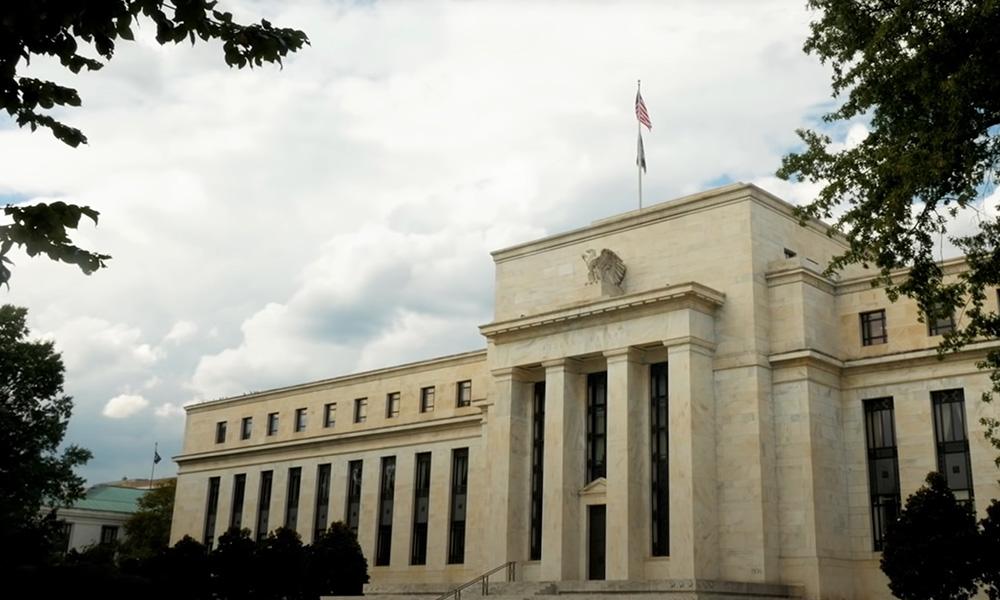
On Wednesday (May 27), Minneapolis Federal Reserve Bank President Neel Kashkari attended a joint meeting of the Bank of Japan's Financial Research Institute and gave an interview. He stated that the Federal Reserve will always adhere to the principle of balance, comprehensively implementing the dual policy objectives of price stability and full employment. However, given the current economic situation, the urgency of inflation control far outweighs that of labor market regulation.
Kashkari stated that US inflation has exceeded the Federal Reserve's annual target of 2% for five consecutive years, indicating a persistent problem of inflation. In contrast, the domestic labor market is operating steadily and in good condition. He emphasized that he always considers both policy dimensions, but currently there are no obvious weaknesses in the labor market; the persistently high inflation is the core issue restricting economic stability. Therefore, reducing inflation must be a top priority.
Kashkari emphasized the potential dangers of prolonged high inflation. He stated that the longer inflation remains high, the greater the risk of market inflation expectations shifting and spiraling out of control. Once residents and businesses develop a normalized expectation of high inflation, the price and wage pricing mechanisms will be fundamentally altered. At that point, the Federal Reserve will have no choice but to adopt more aggressive tightening policies, leading to a greater shock to the economy. Therefore, proactively anchoring inflation expectations is a key measure to avoid systemic risks.
The latest economic data shows that the overall inflation rate in the United States remained at a high level of 3.8% in April. Excluding the more volatile food and energy categories, the core consumer price index rose 0.4% month-on-month and 2.8% year-on-year. The pace of inflation decline has slowed significantly, and the overall inflation is extremely sticky.
Kashkari provided a comprehensive analysis of the core factors driving the current rebound in inflation. He stated that the COVID-19 pandemic, trade tariff policies, the Russia-Ukraine conflict, and the current geopolitical situation in Iran are all factors that have combined to continuously disrupt global supply chains, creating long-term global inflationary pressures.
The current rebound in inflation stems from both the lagged effects of previous economic developments and, more importantly, from rising prices of core production materials such as energy and fertilizers. Fluctuations in the prices of these basic raw materials have a strong transmission effect, gradually permeating all sectors and pushing up the prices of goods and services across society. He will subsequently focus on monitoring the spillover effects of energy prices to assess their profound impact on the overall inflation pattern.
Regarding the potential impact of artificial intelligence on the Federal Reserve's monetary policy, he stated that if AI technology can be continuously applied and steadily improve the overall productivity of society, the fundamentals of the US economy will be strongly supported, and the Federal Reserve may be able to maintain high interest rates.
Based on his field research at major U.S. companies, he stated that these companies are actively implementing artificial intelligence applications, effectively improving production and operational efficiency and addressing shortcomings in traditional operations. However, he also acknowledged that the economic empowerment effects of AI have not yet been fully realized, and the short-term and long-term impacts on monetary policy cannot be accurately predicted. Long-term monitoring of market changes and observation of productivity improvements are necessary to adjust policy pace accordingly.
In summary, current US inflation is sticky, and multiple external geopolitical and supply chain risks continue to disrupt price trends. The Federal Reserve is unlikely to ease its inflation control efforts in the short term. Given the robust job market, tight monetary policy will likely continue. Meanwhile, the economic changes brought about by artificial intelligence may reshape the Fed's long-term interest rate framework. Future monetary policy will need to balance inflation control and industrial upgrading, resulting in more flexible and long-term overall regulation.
At an international conference, Minneapolis Federal Reserve Bank President Neel Kashkari stated bluntly that U.S. price levels remain excessively high, and prolonged high inflation could easily lead to uncontrolled expectations. He provided an in-depth analysis of the causes of inflation resulting from multiple overlapping global risks and examined the potential impact of artificial intelligence on future monetary policy, offering important insights for the Fed's future policy direction.
Adhering to dual policy objectives, with inflation control as the primary task.
On Wednesday (May 27), Minneapolis Federal Reserve Bank President Neel Kashkari attended a joint meeting of the Bank of Japan's Financial Research Institute and gave an interview. He stated that the Federal Reserve will always adhere to the principle of balance, comprehensively implementing the dual policy objectives of price stability and full employment. However, given the current economic situation, the urgency of inflation control far outweighs that of labor market regulation.
Kashkari stated that US inflation has exceeded the Federal Reserve's annual target of 2% for five consecutive years, indicating a persistent problem of inflation. In contrast, the domestic labor market is operating steadily and in good condition. He emphasized that he always considers both policy dimensions, but currently there are no obvious weaknesses in the labor market; the persistently high inflation is the core issue restricting economic stability. Therefore, reducing inflation must be a top priority.
Be wary of runaway inflation expectations and strictly control long-term economic risks.
Kashkari emphasized the potential dangers of prolonged high inflation. He stated that the longer inflation remains high, the greater the risk of market inflation expectations shifting and spiraling out of control. Once residents and businesses develop a normalized expectation of high inflation, the price and wage pricing mechanisms will be fundamentally altered. At that point, the Federal Reserve will have no choice but to adopt more aggressive tightening policies, leading to a greater shock to the economy. Therefore, proactively anchoring inflation expectations is a key measure to avoid systemic risks.
The latest economic data shows that the overall inflation rate in the United States remained at a high level of 3.8% in April. Excluding the more volatile food and energy categories, the core consumer price index rose 0.4% month-on-month and 2.8% year-on-year. The pace of inflation decline has slowed significantly, and the overall inflation is extremely sticky.
Multiple factors combined continue to push up global inflationary pressures.
Kashkari provided a comprehensive analysis of the core factors driving the current rebound in inflation. He stated that the COVID-19 pandemic, trade tariff policies, the Russia-Ukraine conflict, and the current geopolitical situation in Iran are all factors that have combined to continuously disrupt global supply chains, creating long-term global inflationary pressures.
The current rebound in inflation stems from both the lagged effects of previous economic developments and, more importantly, from rising prices of core production materials such as energy and fertilizers. Fluctuations in the prices of these basic raw materials have a strong transmission effect, gradually permeating all sectors and pushing up the prices of goods and services across society. He will subsequently focus on monitoring the spillover effects of energy prices to assess their profound impact on the overall inflation pattern.
Artificial intelligence empowers the economy and reshapes the logic of long-term monetary policy.
Regarding the potential impact of artificial intelligence on the Federal Reserve's monetary policy, he stated that if AI technology can be continuously applied and steadily improve the overall productivity of society, the fundamentals of the US economy will be strongly supported, and the Federal Reserve may be able to maintain high interest rates.
Based on his field research at major U.S. companies, he stated that these companies are actively implementing artificial intelligence applications, effectively improving production and operational efficiency and addressing shortcomings in traditional operations. However, he also acknowledged that the economic empowerment effects of AI have not yet been fully realized, and the short-term and long-term impacts on monetary policy cannot be accurately predicted. Long-term monitoring of market changes and observation of productivity improvements are necessary to adjust policy pace accordingly.
Summarize
In summary, current US inflation is sticky, and multiple external geopolitical and supply chain risks continue to disrupt price trends. The Federal Reserve is unlikely to ease its inflation control efforts in the short term. Given the robust job market, tight monetary policy will likely continue. Meanwhile, the economic changes brought about by artificial intelligence may reshape the Fed's long-term interest rate framework. Future monetary policy will need to balance inflation control and industrial upgrading, resulting in more flexible and long-term overall regulation.
- Risk Warning and Disclaimer
- The market involves risk, and trading may not be suitable for all investors. This article is for reference only and does not constitute personal investment advice, nor does it take into account certain users’ specific investment objectives, financial situation, or other needs. Any investment decisions made based on this information are at your own risk.