Analysis of the Fed's Policy Evolution: Understanding the Logic Behind Gold and Tech Stocks
2026-05-28 21:18:56
Prior to 2008, commercial banks did not earn interest on reserves held at the Federal Reserve.
For banks, keeping money in the central bank is a waste, so they will reduce their reserves to the minimum legally required level (statutory reserves).
Due to the scarcity of reserves, banks must borrow from each other if they are short of funds at the close of trading each day. The resulting overnight lending rate is the federal funds rate.
The Federal Reserve precisely adjusts this interest rate by controlling the supply and demand of reserves:
When the Federal Reserve wants to raise interest rates (tighten monetary policy): it sells U.S. Treasury bonds to commercial banks. The banks pay the Fed, reducing the banking system's reserves (supply falls short of demand). With tighter liquidity, the interbank lending rate (federal funds rate) naturally rises.
When the Federal Reserve wants to lower interest rates (increase liquidity): it buys U.S. Treasury bonds from commercial banks. The Fed transfers money into bank accounts, increasing the banks' reserves (supply exceeds demand). With ample funds, interbank lending rates naturally decrease.
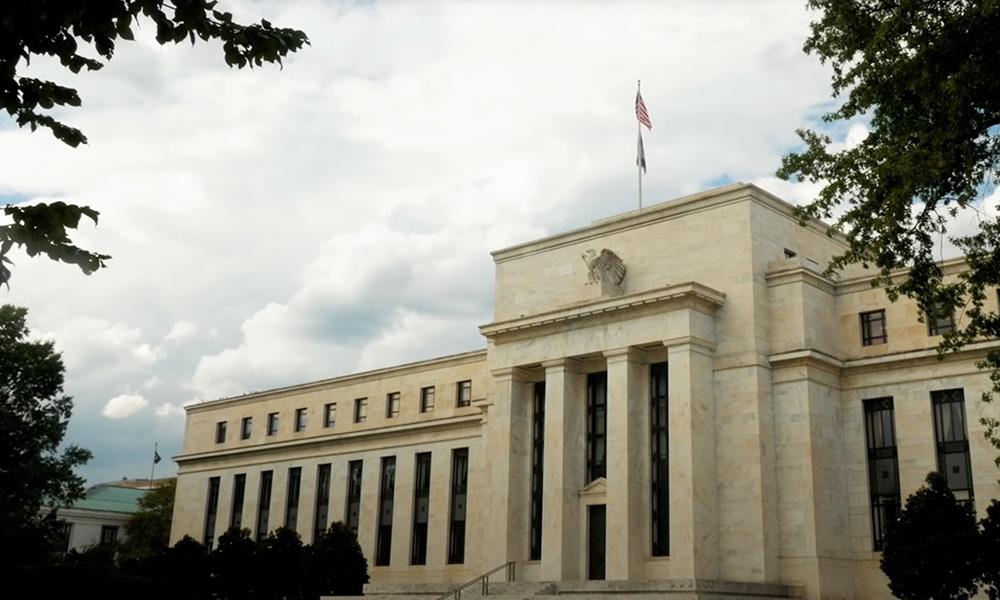
The Federal Reserve's macroeconomic control has completely departed from the past "precision surgery" and entered the "Ample Reserves Framework" of "flooding the market with liquidity and offering heavy incentives".
Because past quantitative easing (QE) injected trillions of dollars of "excess reserves" into the banking system, banks are not short of money at all. Now, the Federal Reserve's continued traditional open market operations (OMO) of injecting and withdrawing tens of billions of dollars of Treasury bonds has a very limited impact on interest rates.
In order to regulate the market, the Federal Reserve was forced to activate the "Interest Rate Corridor" mechanism, which mainly relies on two new administrative tools:
The floor of the corridor: IORB (Interest on Reserve Balance), the Federal Reserve pays interest directly to commercial banks' reserves held at the central bank (created after 2008, now called IORB).
Assuming the Federal Reserve keeps the IORB at 5%, commercial banks will never lend money to other institutions at an interest rate lower than 5% (because there is no risk in simply sitting at the central bank and receiving 5%). This forces a floor to be placed on short-term market interest rates.
The basement of the corridor (for non-bank institutions): ON RRP (Overnight Reverse Repo Rate). Many non-bank financial institutions (such as money market funds) cannot open accounts with the central bank to obtain IORB (Interbank Offered Rate), and they have too much money, which also drives down interest rates. The Federal Reserve allows them to lend money to the Federal Reserve, and the Federal Reserve pays them the overnight reverse repo rate (ON RRP).
This also sets a risk-free floor for funds from non-bank institutions, and together with the IRB, it locks short-term market interest rates firmly within the range desired by the Federal Reserve.
The essence of the current regulation is that the Federal Reserve is raising interest rates not to withdraw money from the market, but to increase the amount of the "risk-free red envelope" issued by the central bank itself. By "locking" the money of banks and funds in the central bank's account, preventing it from flowing into the real economy, the effect of raising interest rates is achieved.
The actual effects are very complex. The direction is effective, but the cost is huge. The process is like a black box because you have to influence the market through a very thick layer of liquidity.
However, the Fed still maintains absolute control over short-term interest rates. Despite the abundance of money, as long as the Fed raises the IORB and ON RRP, the Secured Overnight Financing Rate (SOFR) and the federal funds rate will immediately follow suit.
The Federal Reserve could easily raise borrowing costs if it wanted to, but it doesn't want to.
However, this kind of regulation comes with many disadvantages and side effects. First, the transmission process is a black box, and the final transmission results are delayed and unpredictable.
In the past, raising interest rates meant having no money; now, raising interest rates means you still have money, but you're just tempted by the central bank's high interest rates.
If the economy experiences any signs of trouble, or if banks withdraw money from the central bank and inject it into the market in pursuit of higher returns, liquidity can suddenly become abundant. This slows down the cooling effect of the Federal Reserve's interest rate hikes on the economy, making it difficult to predict when policies will take effect based on past experience.
Furthermore, the Fed has lost precise control over the "total amount of credit." While it can now control "what interest rates are," it cannot precisely control "how much lending banks are willing to extend" due to the trillions of dollars in excess reserves held by the banking system.
During the period of aggressive interest rate hikes in 2022-2023, the US real economy and employment remained strong for a long time because the banking system was very resilient and credit did not dry up as quickly as in the past.
Finally, there is a major side effect: this method of regulation is very costly, which is what gives the Federal Reserve the biggest headache.
To maintain high interest rates, the Federal Reserve pays astronomical sums of interest (IORB and ON RRP) to banks and funds every day. This has led to historic fiscal losses for the Federal Reserve in recent years, making it unable to "pay profits" to the U.S. Treasury.
The Federal Reserve's emergency measure of providing interest on excess reserves during the era of massive monetary easing has become a daily occurrence in this era.
The Federal Reserve wants to withdraw these excess reserves through balance sheet reduction (something Warsh planned to do after taking office), but the US government debt has already reached tens of trillions of dollars.
With government bond yields soaring, it becomes difficult for the government to issue bonds to accomplish its tasks, so the government will definitely try to lower long-term interest rates.
For example, when inflation expectations are brought under control, US Treasury yields usually fall rapidly, leading to a pullback in real interest rates. That's when it's time to allocate gold.
Technology stocks will not adjust immediately in the face of rising long-term interest rates because the liquidity brought by excess reserves is ample. At the same time, the existence of targeted tools means that certain specific industries (such as technology, green energy, or specific banks) will directly receive "fiscal" monetary injections, thus sparing other industries from the pain of high interest rates. Recently, there have also been narratives that high capital expenditures in the technology sector have led to increased corporate bond issuance, resulting in higher government bond yields.
For banks, keeping money in the central bank is a waste, so they will reduce their reserves to the minimum legally required level (statutory reserves).
Due to the scarcity of reserves, banks must borrow from each other if they are short of funds at the close of trading each day. The resulting overnight lending rate is the federal funds rate.
The Federal Reserve precisely adjusts this interest rate by controlling the supply and demand of reserves:
When the Federal Reserve wants to raise interest rates (tighten monetary policy): it sells U.S. Treasury bonds to commercial banks. The banks pay the Fed, reducing the banking system's reserves (supply falls short of demand). With tighter liquidity, the interbank lending rate (federal funds rate) naturally rises.
When the Federal Reserve wants to lower interest rates (increase liquidity): it buys U.S. Treasury bonds from commercial banks. The Fed transfers money into bank accounts, increasing the banks' reserves (supply exceeds demand). With ample funds, interbank lending rates naturally decrease.
How does the Federal Reserve conduct macroeconomic control now?
The Federal Reserve's macroeconomic control has completely departed from the past "precision surgery" and entered the "Ample Reserves Framework" of "flooding the market with liquidity and offering heavy incentives".
Because past quantitative easing (QE) injected trillions of dollars of "excess reserves" into the banking system, banks are not short of money at all. Now, the Federal Reserve's continued traditional open market operations (OMO) of injecting and withdrawing tens of billions of dollars of Treasury bonds has a very limited impact on interest rates.
In order to regulate the market, the Federal Reserve was forced to activate the "Interest Rate Corridor" mechanism, which mainly relies on two new administrative tools:
The floor of the corridor: IORB (Interest on Reserve Balance), the Federal Reserve pays interest directly to commercial banks' reserves held at the central bank (created after 2008, now called IORB).
Assuming the Federal Reserve keeps the IORB at 5%, commercial banks will never lend money to other institutions at an interest rate lower than 5% (because there is no risk in simply sitting at the central bank and receiving 5%). This forces a floor to be placed on short-term market interest rates.
The basement of the corridor (for non-bank institutions): ON RRP (Overnight Reverse Repo Rate). Many non-bank financial institutions (such as money market funds) cannot open accounts with the central bank to obtain IORB (Interbank Offered Rate), and they have too much money, which also drives down interest rates. The Federal Reserve allows them to lend money to the Federal Reserve, and the Federal Reserve pays them the overnight reverse repo rate (ON RRP).
This also sets a risk-free floor for funds from non-bank institutions, and together with the IRB, it locks short-term market interest rates firmly within the range desired by the Federal Reserve.
The essence of the current regulation is that the Federal Reserve is raising interest rates not to withdraw money from the market, but to increase the amount of the "risk-free red envelope" issued by the central bank itself. By "locking" the money of banks and funds in the central bank's account, preventing it from flowing into the real economy, the effect of raising interest rates is achieved.
How effective are the current regulations?
The actual effects are very complex. The direction is effective, but the cost is huge. The process is like a black box because you have to influence the market through a very thick layer of liquidity.
However, the Fed still maintains absolute control over short-term interest rates. Despite the abundance of money, as long as the Fed raises the IORB and ON RRP, the Secured Overnight Financing Rate (SOFR) and the federal funds rate will immediately follow suit.
The Federal Reserve could easily raise borrowing costs if it wanted to, but it doesn't want to.
However, this kind of regulation comes with many disadvantages and side effects. First, the transmission process is a black box, and the final transmission results are delayed and unpredictable.
In the past, raising interest rates meant having no money; now, raising interest rates means you still have money, but you're just tempted by the central bank's high interest rates.
If the economy experiences any signs of trouble, or if banks withdraw money from the central bank and inject it into the market in pursuit of higher returns, liquidity can suddenly become abundant. This slows down the cooling effect of the Federal Reserve's interest rate hikes on the economy, making it difficult to predict when policies will take effect based on past experience.
Furthermore, the Fed has lost precise control over the "total amount of credit." While it can now control "what interest rates are," it cannot precisely control "how much lending banks are willing to extend" due to the trillions of dollars in excess reserves held by the banking system.
During the period of aggressive interest rate hikes in 2022-2023, the US real economy and employment remained strong for a long time because the banking system was very resilient and credit did not dry up as quickly as in the past.
Finally, there is a major side effect: this method of regulation is very costly, which is what gives the Federal Reserve the biggest headache.
To maintain high interest rates, the Federal Reserve pays astronomical sums of interest (IORB and ON RRP) to banks and funds every day. This has led to historic fiscal losses for the Federal Reserve in recent years, making it unable to "pay profits" to the U.S. Treasury.
Summarize:
The Federal Reserve's emergency measure of providing interest on excess reserves during the era of massive monetary easing has become a daily occurrence in this era.
The Federal Reserve wants to withdraw these excess reserves through balance sheet reduction (something Warsh planned to do after taking office), but the US government debt has already reached tens of trillions of dollars.
With government bond yields soaring, it becomes difficult for the government to issue bonds to accomplish its tasks, so the government will definitely try to lower long-term interest rates.
For example, when inflation expectations are brought under control, US Treasury yields usually fall rapidly, leading to a pullback in real interest rates. That's when it's time to allocate gold.
Technology stocks will not adjust immediately in the face of rising long-term interest rates because the liquidity brought by excess reserves is ample. At the same time, the existence of targeted tools means that certain specific industries (such as technology, green energy, or specific banks) will directly receive "fiscal" monetary injections, thus sparing other industries from the pain of high interest rates. Recently, there have also been narratives that high capital expenditures in the technology sector have led to increased corporate bond issuance, resulting in higher government bond yields.
- Risk Warning and Disclaimer
- The market involves risk, and trading may not be suitable for all investors. This article is for reference only and does not constitute personal investment advice, nor does it take into account certain users’ specific investment objectives, financial situation, or other needs. Any investment decisions made based on this information are at your own risk.