The Bank of Japan governor has essentially finalized a June interest rate hike, marking a full-scale shift in monetary policy towards combating inflation.
2026-06-04 15:20:02
Affected by rising energy prices due to geopolitical conflicts in the Middle East and the continued rise in imported inflation, Bank of Japan Governor Kazuo Ueda changed his previous dovish stance and shifted his policy approach to controlling inflation, with the June interest rate hike essentially taking effect.
The central bank has relaxed the triggering conditions for interest rate hikes, no longer limiting it to achieving the 2% inflation target; rising price risks can now drive interest rate decisions. Although the central bank has signaled tightening measures to stabilize prices and reassure the Japanese government, the yen remains weak, and a single interest rate hike in the short term is unlikely to reverse its depreciation trend.
In a public speech on Wednesday (June 3), Kazuo Ueda abandoned his previous dovish tone and emphasized that the central bank could introduce tightening policies at any time to prevent runaway inflation from impacting the real economy.
The policy logic has undergone a fundamental shift, with the risk of rising inflation replacing the steady-state 2% inflation target as the primary reference for interest rate adjustments . Most importantly, the central bank no longer ignores imported inflation caused by geopolitical conflicts; if price increases spread and trigger a second round of nationwide price increases, it will decisively raise interest rates.
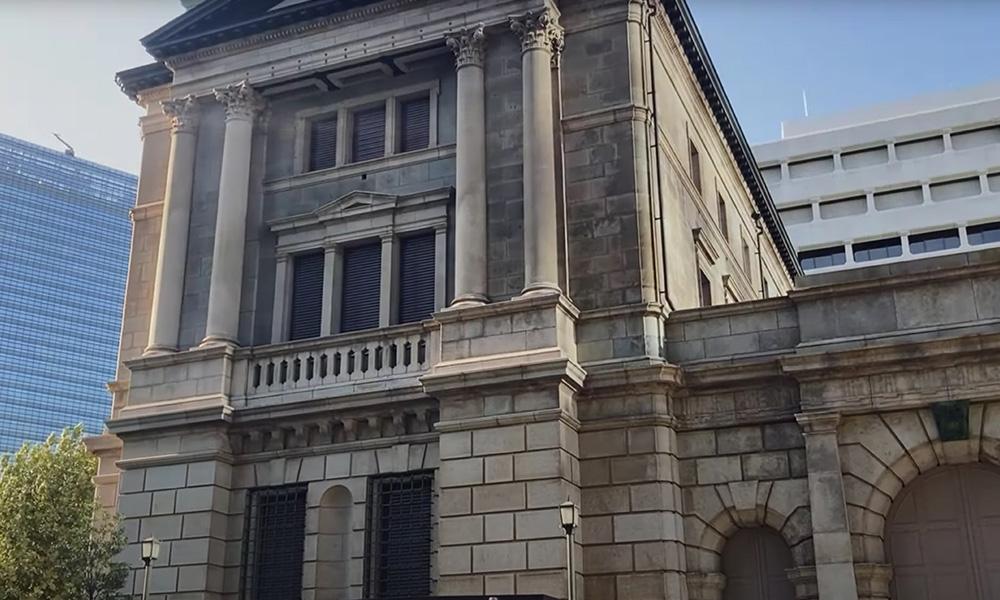
The Bank of Japan is set to end its decade-long ultra-loose monetary policy as early as 2024, having already raised its benchmark interest rate multiple times prior to that.
Kazuo Ueda stated that even with ongoing uncertainties in the Middle East, the central bank will weigh the pros and cons of raising interest rates as long as the risks to rising prices outweigh the downward pressure on the economy . This statement is similar to his stance before the rate hike last December, but this time he has broadened the applicable scenarios for a rate hike. Sources familiar with the matter revealed that unless the conflict in the Middle East suddenly and drastically changes, a rate hike at the June 15-16 policy meeting is almost a certainty.
Kazuo Ueda also warned that rising raw material prices have already pushed up domestic wholesale prices, and delaying policy adjustments will allow inflation to spread throughout the entire industrial chain.
Mari Iwashita, who has long studied the Bank of Japan's movements, said that the geopolitical price increase cycle has just begun, and inflationary pressures are likely to intensify in the summer. The central bank may accelerate the frequency of interest rate hikes in the fall.
The Japanese government favors a more accommodative environment and is concerned that interest rate hikes will increase fiscal borrowing costs and drag down the domestic economy. While expressing hawkish views, Kazuo Ueda actively reassured the government, stating that a moderate interest rate hike could safeguard people's purchasing power and prevent continued price increases from eroding household income.
From a fiscal perspective, timely tightening of monetary policy can stabilize market expectations, prevent an irrational surge in government bond yields, avoid the risk of a sharp increase in government debt costs, and alleviate concerns from all parties regarding policy tightening at its root.
Even with the Bank of Japan signaling clear expectations of interest rate hikes, the yen remains weak, hovering around the critical threshold of 160 yen to the dollar for potential intervention. The weak exchange rate continues to increase the cost of imported goods, which in turn exacerbates imported inflation in the country.
Rinto Maruyama, a strategist at Sumitomo Mitsui Nikko Securities, said that a single interest rate hike in June would hardly be enough to drive a sustained strengthening of the yen. To reverse the depreciation trend, the central bank would need to implement a longer-term and stronger tightening policy.
Overall, the energy-driven inflationary environment is forcing the Bank of Japan to shift its policy, making a June rate hike highly likely. The reform of the rate hike rules also suggests room for further tightening. However, constrained by various factors, this round of tightening is unlikely to reverse the yen's decline. The Bank of Japan's future monetary policy will need to continue balancing control of inflation, exchange rate stability, and economic support.
At 15:19 Beijing time, the USD/JPY exchange rate is currently at 159.88/89.
The central bank has relaxed the triggering conditions for interest rate hikes, no longer limiting it to achieving the 2% inflation target; rising price risks can now drive interest rate decisions. Although the central bank has signaled tightening measures to stabilize prices and reassure the Japanese government, the yen remains weak, and a single interest rate hike in the short term is unlikely to reverse its depreciation trend.
The market has completely reversed its stance, and a June rate hike is now the consensus.
In a public speech on Wednesday (June 3), Kazuo Ueda abandoned his previous dovish tone and emphasized that the central bank could introduce tightening policies at any time to prevent runaway inflation from impacting the real economy.
The policy logic has undergone a fundamental shift, with the risk of rising inflation replacing the steady-state 2% inflation target as the primary reference for interest rate adjustments . Most importantly, the central bank no longer ignores imported inflation caused by geopolitical conflicts; if price increases spread and trigger a second round of nationwide price increases, it will decisively raise interest rates.
The Bank of Japan is set to end its decade-long ultra-loose monetary policy as early as 2024, having already raised its benchmark interest rate multiple times prior to that.
Kazuo Ueda stated that even with ongoing uncertainties in the Middle East, the central bank will weigh the pros and cons of raising interest rates as long as the risks to rising prices outweigh the downward pressure on the economy . This statement is similar to his stance before the rate hike last December, but this time he has broadened the applicable scenarios for a rate hike. Sources familiar with the matter revealed that unless the conflict in the Middle East suddenly and drastically changes, a rate hike at the June 15-16 policy meeting is almost a certainty.
Kazuo Ueda also warned that rising raw material prices have already pushed up domestic wholesale prices, and delaying policy adjustments will allow inflation to spread throughout the entire industrial chain.
Mari Iwashita, who has long studied the Bank of Japan's movements, said that the geopolitical price increase cycle has just begun, and inflationary pressures are likely to intensify in the summer. The central bank may accelerate the frequency of interest rate hikes in the fall.
Taking into account the government's demands, the necessity of raising interest rates is explained from a policy logic perspective.
The Japanese government favors a more accommodative environment and is concerned that interest rate hikes will increase fiscal borrowing costs and drag down the domestic economy. While expressing hawkish views, Kazuo Ueda actively reassured the government, stating that a moderate interest rate hike could safeguard people's purchasing power and prevent continued price increases from eroding household income.
From a fiscal perspective, timely tightening of monetary policy can stabilize market expectations, prevent an irrational surge in government bond yields, avoid the risk of a sharp increase in government debt costs, and alleviate concerns from all parties regarding policy tightening at its root.
Tightening measures have failed to reverse the yen's downward trend, and further depreciation pressure remains.
Even with the Bank of Japan signaling clear expectations of interest rate hikes, the yen remains weak, hovering around the critical threshold of 160 yen to the dollar for potential intervention. The weak exchange rate continues to increase the cost of imported goods, which in turn exacerbates imported inflation in the country.
Rinto Maruyama, a strategist at Sumitomo Mitsui Nikko Securities, said that a single interest rate hike in June would hardly be enough to drive a sustained strengthening of the yen. To reverse the depreciation trend, the central bank would need to implement a longer-term and stronger tightening policy.
Summarize
Overall, the energy-driven inflationary environment is forcing the Bank of Japan to shift its policy, making a June rate hike highly likely. The reform of the rate hike rules also suggests room for further tightening. However, constrained by various factors, this round of tightening is unlikely to reverse the yen's decline. The Bank of Japan's future monetary policy will need to continue balancing control of inflation, exchange rate stability, and economic support.
At 15:19 Beijing time, the USD/JPY exchange rate is currently at 159.88/89.
- Risk Warning and Disclaimer
- The market involves risk, and trading may not be suitable for all investors. This article is for reference only and does not constitute personal investment advice, nor does it take into account certain users’ specific investment objectives, financial situation, or other needs. Any investment decisions made based on this information are at your own risk.