Is the US refocusing on Ukraine? Following Trump's call with Putin, his special envoy and Kushner are set to visit Russia.
2026-06-15 14:01:55
U.S. President Donald Trump and Russian President Vladimir Putin spoke by phone on Sunday (June 14) and exchanged views on issues including ending the conflict in Ukraine and the situation in Iran.
Trump stated that ending hostilities in Ukraine is crucial and that he is willing to work with European partners and Kyiv to advance the peace process.
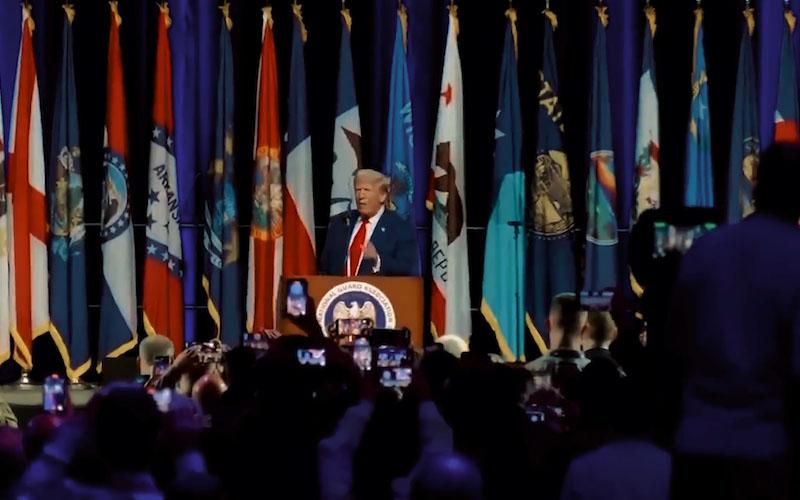
Russian Presidential Foreign Policy Aide Ushakov told reporters that the call between the two leaders lasted 55 minutes. During the call, Trump made it clear that halting hostilities in the Ukraine conflict was crucial. He emphasized that the ongoing war has not only caused enormous casualties on both sides but has also had a profound impact on global energy markets, food supply chains, and world economic stability. Trump believes that achieving a ceasefire as soon as possible is in the interest of all parties and can create conditions for broader international cooperation.
Ushakov further quoted Trump as saying that a swift resolution to the conflict would "open the door to a new phase in US-Russia relations."
Trump stated that once the conflict subsides, there is ample room for cooperation between the US and Russia in areas such as strategic stability, arms control, and global economic governance. He revealed his willingness to work with European partners and Kyiv, including consultations at this week's G7 summit in Evian, France.
Trump plans to use the G7 multilateral platform to convene leaders of major Western countries to discuss concrete steps to bring Russia and Ukraine back to the negotiating table. He also hinted that the United States might propose a new peace initiative, including a ceasefire monitoring mechanism, humanitarian corridor arrangements, and a post-war reconstruction framework.
Trump's statement marks a subtle shift in the US diplomatic stance on Ukraine—from primarily military aid to a greater emphasis on diplomatic mediation and crisis management. The market will closely watch for further statements from all parties involved during the G7 summit.
Ushakov said that Putin told Trump in the call that Ukraine had recently intensified its attacks on targets inside Russia in an attempt to reverse the tide of the war through high-profile strikes, but these actions would not fundamentally change the situation on the front lines.
Putin emphasized that the Russian military still firmly holds the strategic initiative, and that the Ukrainian counter-offensive has come at a heavy price and failed to achieve any substantial breakthrough. He warned that further escalation of the strikes would only lead to more casualties and would not contribute to the peace process.
Putin also stated that at the upcoming G7 summit, the European side and Ukrainian President Zelensky "will try to portray the situation in a completely opposite way," and may put forward ideas aimed at prolonging the conflict and continuing hostilities. He predicted that Western leaders would deliberately exaggerate the battlefield gains in Ukraine and downplay the strength of the Russian military's defenses in order to secure more military aid to Ukraine. Putin believes that this "information warfare" tactic is intended to prolong the conflict, weaken Russia's negotiating position, and at the same time consolidate the political consensus within the West to support Ukraine.
Putin further pointed out that Zelensky might use the G7 summit as an international platform to call for more advanced weapons aid and security guarantees, rather than genuinely seeking a diplomatic solution. He warned that if the West continues to supply Ukraine with long-range strike weapons, the conflict will escalate further and even risk spiraling out of control. Putin's remarks reflect the Kremlin's close attention to the G7 summit joint statement, especially the wording regarding sanctions against Russia and military aid to Ukraine.
Russia believes that genuine progress in peace should be based on battlefield realities and direct negotiations between the two sides, rather than a unilaterally imposed "peace formula." The market will also closely monitor the latest statements made by various parties during the G7 summit regarding the Ukraine crisis and their potential impact on geopolitical risks.
Regarding the conflict with Iran, Ushakov stated that Trump told Putin during the call that a peace agreement between the United States and Iran was "close to being reached."
According to Ushakov, Trump briefed Putin on the latest developments in the US-Iran negotiations, emphasizing that the core elements of the agreement included the reopening of the Strait of Hormuz, the lifting of the US naval blockade, and a permanent ceasefire on all fronts. Trump acknowledged that the negotiations were "quite difficult," with multiple rounds of negotiations on details such as the lifting of sanctions, the unfreezing of assets, and subsequent arrangements for the nuclear issue, but ultimately a framework acceptable to all parties was reached.
Putin expressed satisfaction with this. Ushakov stated that Putin believes the continued escalation of the conflict with Iran could "lead to greater regional tensions" and even drag the entire Middle East into a wider military confrontation, posing a serious threat to global energy security and world economic stability. Therefore, upon learning that a US-Iran agreement was likely and the Straits were about to reopen, Putin clearly expressed a positive attitude.
The Kremlin noted that Iran, as a key partner of Russia in the Middle East, directly impacts Russia's geostrategic interests. A de-escalation of the Iranian conflict would not only help stabilize international oil prices and alleviate global inflationary pressures, but also create a relatively favorable external environment for Russia to focus its efforts on the Ukraine crisis.
Ushakov added that Putin hopes the US and Iran will earnestly fulfill the initial commitments already made, ensuring the agreement is effectively implemented after its formal signing on June 19, and preventing any relapses. Russia will continue to monitor developments and is willing to play a constructive role in maintaining regional stability.
Ushakov revealed that Witkov, the special envoy who led the US-mediated ceasefire negotiations in Ukraine, and Trump's son-in-law Kushner will soon visit Russia again.
This news suggests that diplomatic contacts between the US and Russia on the Ukraine issue may be resuming. Ushakov, Putin's diplomatic aide, revealed that the two had actively promoted ceasefire negotiations, and this visit to Russia may involve discussions on core issues such as ceasefire terms, territorial arrangements, and security guarantees.
It is worth noting that diplomatic efforts to end the Russia-Ukraine conflict had previously stalled due to Washington's current focus on the Iran conflict. The stalemate on the battlefield has come at a heavy cost to both sides. This phone call and visit arrangement signifies that the US is readjusting its priorities and shifting some attention to Ukraine.
Analysts believe this shift may stem from the Trump team's commitment to "quickly ending the conflict" and the US's reluctance to expend excessive resources on both the Eurasian and Asian fronts simultaneously. The two sides may explore pragmatic steps such as a temporary ceasefire, prisoner exchanges, and sanctions easing, but differences remain regarding NATO expansion and Ukraine's neutrality.
If this visit goes smoothly, it will inject new variables into US-Russia relations and bring hope for peace to Ukraine, which has suffered from war. However, the final outcome depends on the willingness of all parties to compromise.
Ukrainian President Zelensky's communications advisor, Dmytro Litvin, stated that Zelensky also spoke with Trump by phone on Sunday to discuss war, diplomacy, and peace negotiations. Litvin said the call lasted approximately 30 to 35 minutes, and Zelensky also wished Trump a happy 80th birthday.
In addition, Ushakov revealed that Putin congratulated Trump on his 80th birthday in an "informal" manner and praised First Lady Melania for her efforts to reunite families during the conflict in Ukraine.
The 55-minute phone call between Trump and Putin reflects a realistic adjustment in the current great power game: against the backdrop of a de-escalating conflict with Iran, the US seeks to expedite the end of the Russia-Ukraine conflict to avoid being drained on two fronts. Trump's ceasefire pronouncements contrast with Putin's battlefield confidence, making the G7 summit a crucial platform for testing the will of all parties. A visit to Russia by a special envoy, if it goes ahead, could push for pragmatic steps, but deep-seated differences such as NATO expansion and Ukraine's neutrality still require long-term negotiations. Overall, the event shows that while the peace process has shown signs of progress, it depends on compromises among all parties and the dynamics of the battlefield; global energy and economic stability will continue to be affected.
Q1: What were the key outcomes of the call between Trump and Putin?
A: The focus of the call was to push for a ceasefire in Ukraine. Trump emphasized that an immediate ceasefire was in the interests of all parties and planned to propose new peace initiatives at the G7 summit, including a monitoring mechanism and a reconstruction framework. Putin reiterated the initiative on the battlefield and demanded realistic negotiations. This set the tone for subsequent diplomatic contacts, while the approaching US-Iran agreement also created external conditions for easing tensions in Ukraine.
Q2: Why will Witkov and Kushner visit Russia again?
A: The two leaders had previously spearheaded ceasefire negotiations, and this visit aims to restart direct communication between the US and Russia to discuss specific terms such as territory and security guarantees. Given the US's previous focus on the Iran conflict, which led to a diplomatic standstill in Ukraine, this arrangement reflects a shift in priorities and embodies the Trump team's commitment to "quickly ending the conflict," which could help break the current battlefield stalemate.
Q3: What impact does the situation in Iran have on the Ukraine issue?
A: Trump stated that a US-Iran agreement is close to being reached, including the opening of the Strait of Hormuz and a permanent ceasefire, which has eased tensions in the Middle East and stabilized global energy markets. Putin welcomed this, believing it will help Russia focus on Ukraine and avoid the pressure of fighting on multiple fronts. The easing of the conflict with Iran provides a relatively favorable international environment for the Ukrainian peace process and reduces the dispersion of global resources.
Q4: What role will the G7 summit play in the Ukraine issue?
A: Trump plans to use the G7 platform to coordinate Western positions and push Russia and Ukraine back to negotiations. However, Putin predicts that the West may use the opportunity to secure more military aid and prolong the conflict. The summit will become a stage for the clash of positions between the US and Europe and Russia, and related statements may affect the direction of sanctions and aid, directly impacting geopolitical risks.
Q5: What are the potential implications of this event for the global economy and geopolitics?
A: If the ceasefire proceeds, it will alleviate pressure on food and energy supply chains and reduce inflation risks. Improved US-Russia relations may usher in a new phase of strategic cooperation. However, differences remain, and the implementation of the agreement faces challenges. Overall, major powers are shifting from confrontation to crisis management, reflecting the necessity of pragmatic diplomacy amidst multiple crises and bringing potential hope for peace to regions ravaged by war.
Trump stated that ending hostilities in Ukraine is crucial and that he is willing to work with European partners and Kyiv to advance the peace process.
Key statement: Trump emphasizes the critical importance of a ceasefire.
Russian Presidential Foreign Policy Aide Ushakov told reporters that the call between the two leaders lasted 55 minutes. During the call, Trump made it clear that halting hostilities in the Ukraine conflict was crucial. He emphasized that the ongoing war has not only caused enormous casualties on both sides but has also had a profound impact on global energy markets, food supply chains, and world economic stability. Trump believes that achieving a ceasefire as soon as possible is in the interest of all parties and can create conditions for broader international cooperation.
Ushakov further quoted Trump as saying that a swift resolution to the conflict would "open the door to a new phase in US-Russia relations."
Trump stated that once the conflict subsides, there is ample room for cooperation between the US and Russia in areas such as strategic stability, arms control, and global economic governance. He revealed his willingness to work with European partners and Kyiv, including consultations at this week's G7 summit in Evian, France.
Trump plans to use the G7 multilateral platform to convene leaders of major Western countries to discuss concrete steps to bring Russia and Ukraine back to the negotiating table. He also hinted that the United States might propose a new peace initiative, including a ceasefire monitoring mechanism, humanitarian corridor arrangements, and a post-war reconstruction framework.
Trump's statement marks a subtle shift in the US diplomatic stance on Ukraine—from primarily military aid to a greater emphasis on diplomatic mediation and crisis management. The market will closely watch for further statements from all parties involved during the G7 summit.
Putin responds: Ukraine's strikes will not change the battlefield situation.
Ushakov said that Putin told Trump in the call that Ukraine had recently intensified its attacks on targets inside Russia in an attempt to reverse the tide of the war through high-profile strikes, but these actions would not fundamentally change the situation on the front lines.
Putin emphasized that the Russian military still firmly holds the strategic initiative, and that the Ukrainian counter-offensive has come at a heavy price and failed to achieve any substantial breakthrough. He warned that further escalation of the strikes would only lead to more casualties and would not contribute to the peace process.
Putin also stated that at the upcoming G7 summit, the European side and Ukrainian President Zelensky "will try to portray the situation in a completely opposite way," and may put forward ideas aimed at prolonging the conflict and continuing hostilities. He predicted that Western leaders would deliberately exaggerate the battlefield gains in Ukraine and downplay the strength of the Russian military's defenses in order to secure more military aid to Ukraine. Putin believes that this "information warfare" tactic is intended to prolong the conflict, weaken Russia's negotiating position, and at the same time consolidate the political consensus within the West to support Ukraine.
Putin further pointed out that Zelensky might use the G7 summit as an international platform to call for more advanced weapons aid and security guarantees, rather than genuinely seeking a diplomatic solution. He warned that if the West continues to supply Ukraine with long-range strike weapons, the conflict will escalate further and even risk spiraling out of control. Putin's remarks reflect the Kremlin's close attention to the G7 summit joint statement, especially the wording regarding sanctions against Russia and military aid to Ukraine.
Russia believes that genuine progress in peace should be based on battlefield realities and direct negotiations between the two sides, rather than a unilaterally imposed "peace formula." The market will also closely monitor the latest statements made by various parties during the G7 summit regarding the Ukraine crisis and their potential impact on geopolitical risks.
Iran situation: Trump says agreement is close to being reached
Regarding the conflict with Iran, Ushakov stated that Trump told Putin during the call that a peace agreement between the United States and Iran was "close to being reached."
According to Ushakov, Trump briefed Putin on the latest developments in the US-Iran negotiations, emphasizing that the core elements of the agreement included the reopening of the Strait of Hormuz, the lifting of the US naval blockade, and a permanent ceasefire on all fronts. Trump acknowledged that the negotiations were "quite difficult," with multiple rounds of negotiations on details such as the lifting of sanctions, the unfreezing of assets, and subsequent arrangements for the nuclear issue, but ultimately a framework acceptable to all parties was reached.
Putin expressed satisfaction with this. Ushakov stated that Putin believes the continued escalation of the conflict with Iran could "lead to greater regional tensions" and even drag the entire Middle East into a wider military confrontation, posing a serious threat to global energy security and world economic stability. Therefore, upon learning that a US-Iran agreement was likely and the Straits were about to reopen, Putin clearly expressed a positive attitude.
The Kremlin noted that Iran, as a key partner of Russia in the Middle East, directly impacts Russia's geostrategic interests. A de-escalation of the Iranian conflict would not only help stabilize international oil prices and alleviate global inflationary pressures, but also create a relatively favorable external environment for Russia to focus its efforts on the Ukraine crisis.
Ushakov added that Putin hopes the US and Iran will earnestly fulfill the initial commitments already made, ensuring the agreement is effectively implemented after its formal signing on June 19, and preventing any relapses. Russia will continue to monitor developments and is willing to play a constructive role in maintaining regional stability.
Follow-up developments: A US special envoy is about to visit Russia again.
Ushakov revealed that Witkov, the special envoy who led the US-mediated ceasefire negotiations in Ukraine, and Trump's son-in-law Kushner will soon visit Russia again.
This news suggests that diplomatic contacts between the US and Russia on the Ukraine issue may be resuming. Ushakov, Putin's diplomatic aide, revealed that the two had actively promoted ceasefire negotiations, and this visit to Russia may involve discussions on core issues such as ceasefire terms, territorial arrangements, and security guarantees.
It is worth noting that diplomatic efforts to end the Russia-Ukraine conflict had previously stalled due to Washington's current focus on the Iran conflict. The stalemate on the battlefield has come at a heavy cost to both sides. This phone call and visit arrangement signifies that the US is readjusting its priorities and shifting some attention to Ukraine.
Analysts believe this shift may stem from the Trump team's commitment to "quickly ending the conflict" and the US's reluctance to expend excessive resources on both the Eurasian and Asian fronts simultaneously. The two sides may explore pragmatic steps such as a temporary ceasefire, prisoner exchanges, and sanctions easing, but differences remain regarding NATO expansion and Ukraine's neutrality.
If this visit goes smoothly, it will inject new variables into US-Russia relations and bring hope for peace to Ukraine, which has suffered from war. However, the final outcome depends on the willingness of all parties to compromise.
From the Ukrainian perspective: Zelensky also spoke with Trump.
Ukrainian President Zelensky's communications advisor, Dmytro Litvin, stated that Zelensky also spoke with Trump by phone on Sunday to discuss war, diplomacy, and peace negotiations. Litvin said the call lasted approximately 30 to 35 minutes, and Zelensky also wished Trump a happy 80th birthday.
In addition, Ushakov revealed that Putin congratulated Trump on his 80th birthday in an "informal" manner and praised First Lady Melania for her efforts to reunite families during the conflict in Ukraine.
Editor's Summary
The 55-minute phone call between Trump and Putin reflects a realistic adjustment in the current great power game: against the backdrop of a de-escalating conflict with Iran, the US seeks to expedite the end of the Russia-Ukraine conflict to avoid being drained on two fronts. Trump's ceasefire pronouncements contrast with Putin's battlefield confidence, making the G7 summit a crucial platform for testing the will of all parties. A visit to Russia by a special envoy, if it goes ahead, could push for pragmatic steps, but deep-seated differences such as NATO expansion and Ukraine's neutrality still require long-term negotiations. Overall, the event shows that while the peace process has shown signs of progress, it depends on compromises among all parties and the dynamics of the battlefield; global energy and economic stability will continue to be affected.
Frequently Asked Questions
Q1: What were the key outcomes of the call between Trump and Putin?
A: The focus of the call was to push for a ceasefire in Ukraine. Trump emphasized that an immediate ceasefire was in the interests of all parties and planned to propose new peace initiatives at the G7 summit, including a monitoring mechanism and a reconstruction framework. Putin reiterated the initiative on the battlefield and demanded realistic negotiations. This set the tone for subsequent diplomatic contacts, while the approaching US-Iran agreement also created external conditions for easing tensions in Ukraine.
Q2: Why will Witkov and Kushner visit Russia again?
A: The two leaders had previously spearheaded ceasefire negotiations, and this visit aims to restart direct communication between the US and Russia to discuss specific terms such as territory and security guarantees. Given the US's previous focus on the Iran conflict, which led to a diplomatic standstill in Ukraine, this arrangement reflects a shift in priorities and embodies the Trump team's commitment to "quickly ending the conflict," which could help break the current battlefield stalemate.
Q3: What impact does the situation in Iran have on the Ukraine issue?
A: Trump stated that a US-Iran agreement is close to being reached, including the opening of the Strait of Hormuz and a permanent ceasefire, which has eased tensions in the Middle East and stabilized global energy markets. Putin welcomed this, believing it will help Russia focus on Ukraine and avoid the pressure of fighting on multiple fronts. The easing of the conflict with Iran provides a relatively favorable international environment for the Ukrainian peace process and reduces the dispersion of global resources.
Q4: What role will the G7 summit play in the Ukraine issue?
A: Trump plans to use the G7 platform to coordinate Western positions and push Russia and Ukraine back to negotiations. However, Putin predicts that the West may use the opportunity to secure more military aid and prolong the conflict. The summit will become a stage for the clash of positions between the US and Europe and Russia, and related statements may affect the direction of sanctions and aid, directly impacting geopolitical risks.
Q5: What are the potential implications of this event for the global economy and geopolitics?
A: If the ceasefire proceeds, it will alleviate pressure on food and energy supply chains and reduce inflation risks. Improved US-Russia relations may usher in a new phase of strategic cooperation. However, differences remain, and the implementation of the agreement faces challenges. Overall, major powers are shifting from confrontation to crisis management, reflecting the necessity of pragmatic diplomacy amidst multiple crises and bringing potential hope for peace to regions ravaged by war.
- Risk Warning and Disclaimer
- The market involves risk, and trading may not be suitable for all investors. This article is for reference only and does not constitute personal investment advice, nor does it take into account certain users’ specific investment objectives, financial situation, or other needs. Any investment decisions made based on this information are at your own risk.