Reopening the strait will hardly alleviate the economic damage, and inflationary pressures will not dissipate in the short term.
2026-06-22 13:17:54
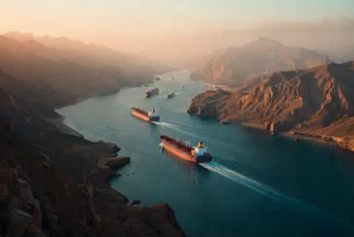
The agreement reached between the US and Iran has brought a glimmer of hope for the resumption of navigation in the Strait of Hormuz, temporarily relieving the most urgent risk to global energy supply. However, the geopolitical conflict that has lasted for nearly four months has already sown the seeds of inflation along the industrial chain.
Many institutional economists agree that there is a significant time lag in the transmission of energy price increases to end-products, and the negative impact on global inflation and economic growth will continue for several months. The general trend of central banks tightening monetary policy is unlikely to be reversed quickly, and countries are also accelerating the reconstruction of long-term energy security systems.
The signing of a memorandum of understanding between the US and Iran marks the end of the ongoing conflict in the Taiwan Strait that has been disrupting the global energy supply chain. Brent crude oil prices had previously surged to $118 per barrel, but fell back to around $80 on Friday.
Last Tuesday, Goldman Sachs lowered its oil price forecast, predicting that the average price of Brent crude oil would be $80 by the end of 2026 and further decline to $75 in 2027. The core basis for this prediction is that the recovery of Persian Gulf crude oil exports is faster than previously expected by the market.
Simon MacAdam, deputy chief global economist at Capital Economics, stated that even if tanker traffic returns to normal, the transmission of soaring energy and fertilizer costs to end-consumer food products will take a long time. Residential gas prices typically lag behind upstream natural gas prices by about three months, and the upward trend in prices will not immediately subside with the reopening of shipping lanes. The large backlog of ships awaiting passage will further prolong the logistics recovery period, further delaying the return to stability of the upstream and downstream supply chains.
The World Bank last week lowered its full-year global economic growth forecast to 2.5%, the lowest level since the outbreak of the pandemic. The bank estimates that even as oil transport disruptions gradually ease, the average global inflation rate this year will rise to 4% from 3.3% in 2025. Due to tight raw material supplies in the Gulf region, fertilizer prices may rise by as much as 38% this year, continuing to impact global agricultural production and food pricing.
McAdam added that Europe is experiencing more pronounced inflationary pressures, with local natural gas inventories at historically low levels. Coupled with rising US liquefied natural gas export prices, inflation in Europe and Japan could potentially increase by an additional 3 to 4 percentage points. The combination of external cost inputs and local inventory shortages significantly increases the difficulty of price control in these two major economies.
The European Central Bank raised interest rates last week for the first time in nearly three years, becoming the first major developed economy central bank to initiate tightening. Federal Reserve Chairman Kevin Warsh kept the benchmark interest rate unchanged, but raised his December personal consumption expenditure inflation forecast to 3.6% from 2.7% in March, with 9 of the 18 voting members supporting at least one rate hike this year. The Bank of England also held rates steady, but officially warned of logistical delays in the recovery of energy production and shipping after the conflict.
Alex Holmes, regional director of the Economist Intelligence Unit, stated that fuel and food prices will remain high for an extended period. Coupled with the impact of a super El Niño on agricultural output, central banks worldwide, which have turned hawkish, are unlikely to ease policy in the short term. The dilemma of slowing growth and high inflation will persist. The Hormuz crisis fundamentally altered the logic of central bank policy trade-offs, significantly elevating the priority of price stability.
The lessons learned from this disruption of shipping routes have prompted countries to revise their top-level designs for energy security. Affected countries are planning to expand their strategic energy reserves, increase domestic production capacity, and simultaneously develop alternative cross-border transportation pipelines to reduce their dependence on a single maritime choke point.
Asian Development Bank Managing Director Matteo Lanzafame said last Thursday that countries should build up sufficient energy reserves during peacetime to hedge against the risk of supply disruptions caused by sudden global geopolitical crises, thereby mitigating the long-term impact of fluctuations in a single shipping lane on their economies.
In summary , the resumption of navigation in the Strait of Hormuz can only alleviate short-term concerns about oil supply. The inflationary ripple effects and downward pressure on economic growth stemming from the conflict over the past four months will continue to unfold. The tightening stance of global central banks is unlikely to reverse in the short term, and countries are simultaneously pursuing energy diversification strategies to mitigate future energy shocks from geopolitical events.
Many institutional economists agree that there is a significant time lag in the transmission of energy price increases to end-products, and the negative impact on global inflation and economic growth will continue for several months. The general trend of central banks tightening monetary policy is unlikely to be reversed quickly, and countries are also accelerating the reconstruction of long-term energy security systems.
Cross-strait shipping is gradually recovering, and crude oil prices have fallen, but inflationary pressures have already solidified.
The signing of a memorandum of understanding between the US and Iran marks the end of the ongoing conflict in the Taiwan Strait that has been disrupting the global energy supply chain. Brent crude oil prices had previously surged to $118 per barrel, but fell back to around $80 on Friday.
Last Tuesday, Goldman Sachs lowered its oil price forecast, predicting that the average price of Brent crude oil would be $80 by the end of 2026 and further decline to $75 in 2027. The core basis for this prediction is that the recovery of Persian Gulf crude oil exports is faster than previously expected by the market.
Simon MacAdam, deputy chief global economist at Capital Economics, stated that even if tanker traffic returns to normal, the transmission of soaring energy and fertilizer costs to end-consumer food products will take a long time. Residential gas prices typically lag behind upstream natural gas prices by about three months, and the upward trend in prices will not immediately subside with the reopening of shipping lanes. The large backlog of ships awaiting passage will further prolong the logistics recovery period, further delaying the return to stability of the upstream and downstream supply chains.
Global growth has weakened significantly, and many regions are facing persistent inflationary shocks.
The World Bank last week lowered its full-year global economic growth forecast to 2.5%, the lowest level since the outbreak of the pandemic. The bank estimates that even as oil transport disruptions gradually ease, the average global inflation rate this year will rise to 4% from 3.3% in 2025. Due to tight raw material supplies in the Gulf region, fertilizer prices may rise by as much as 38% this year, continuing to impact global agricultural production and food pricing.
McAdam added that Europe is experiencing more pronounced inflationary pressures, with local natural gas inventories at historically low levels. Coupled with rising US liquefied natural gas export prices, inflation in Europe and Japan could potentially increase by an additional 3 to 4 percentage points. The combination of external cost inputs and local inventory shortages significantly increases the difficulty of price control in these two major economies.
Central banks in many countries have been forced to tighten their policies as high inflation makes rapid easing difficult.
The European Central Bank raised interest rates last week for the first time in nearly three years, becoming the first major developed economy central bank to initiate tightening. Federal Reserve Chairman Kevin Warsh kept the benchmark interest rate unchanged, but raised his December personal consumption expenditure inflation forecast to 3.6% from 2.7% in March, with 9 of the 18 voting members supporting at least one rate hike this year. The Bank of England also held rates steady, but officially warned of logistical delays in the recovery of energy production and shipping after the conflict.
Alex Holmes, regional director of the Economist Intelligence Unit, stated that fuel and food prices will remain high for an extended period. Coupled with the impact of a super El Niño on agricultural output, central banks worldwide, which have turned hawkish, are unlikely to ease policy in the short term. The dilemma of slowing growth and high inflation will persist. The Hormuz crisis fundamentally altered the logic of central bank policy trade-offs, significantly elevating the priority of price stability.
Global energy security is being restructured, with countries establishing reserve and diversified supply systems.
The lessons learned from this disruption of shipping routes have prompted countries to revise their top-level designs for energy security. Affected countries are planning to expand their strategic energy reserves, increase domestic production capacity, and simultaneously develop alternative cross-border transportation pipelines to reduce their dependence on a single maritime choke point.
Asian Development Bank Managing Director Matteo Lanzafame said last Thursday that countries should build up sufficient energy reserves during peacetime to hedge against the risk of supply disruptions caused by sudden global geopolitical crises, thereby mitigating the long-term impact of fluctuations in a single shipping lane on their economies.
In summary , the resumption of navigation in the Strait of Hormuz can only alleviate short-term concerns about oil supply. The inflationary ripple effects and downward pressure on economic growth stemming from the conflict over the past four months will continue to unfold. The tightening stance of global central banks is unlikely to reverse in the short term, and countries are simultaneously pursuing energy diversification strategies to mitigate future energy shocks from geopolitical events.
- Risk Warning and Disclaimer
- The market involves risk, and trading may not be suitable for all investors. This article is for reference only and does not constitute personal investment advice, nor does it take into account certain users’ specific investment objectives, financial situation, or other needs. Any investment decisions made based on this information are at your own risk.