After gold broke below a key support level, fund flows are changing.
2026-06-23 20:36:59
On Tuesday, June 23, geopolitical and monetary policy expectations simultaneously dominated asset price fluctuations. News regarding the Strait of Hormuz, a key oil shipping route, reignited market concerns about supply chain stability, while the precious metals market experienced a significant correction due to the combined effects of a stronger dollar and changing interest rate expectations. Increased rotation between risky and safe-haven assets significantly heightened the sensitivity of short-term funds to macroeconomic signals.
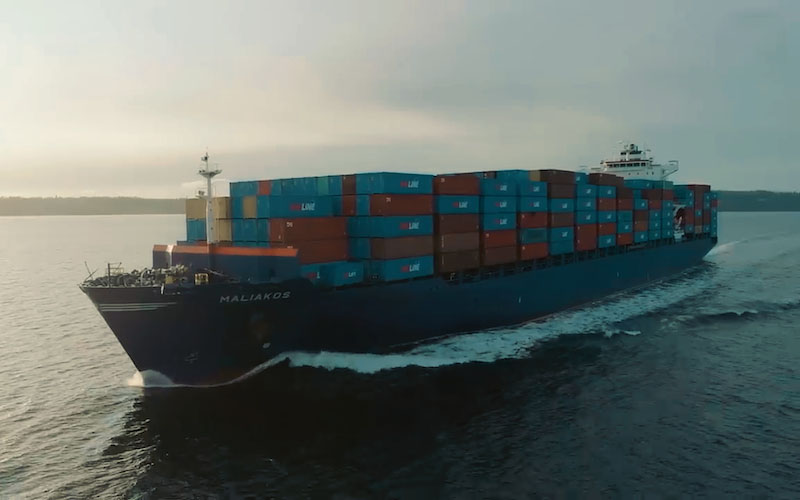
Current information indicates that the Strait of Hormuz remains open and not under maritime blockade, but the rules for passage are becoming more conditional. Market sources suggest that the daily number of vessels passing through is limited and dynamically adjusted based on the situation. This mechanism means that market expectations for energy transportation are no longer linearly stable but have entered a phase of "controlled volatility." From a financial pricing perspective, such changes in mechanisms often do not immediately reflect supply disruptions but will increase forward risk premiums, particularly evident in the structure of crude oil futures curves. When transportation channels shift from complete freedom to quota management, even without actual supply disruptions, they will influence energy cost pricing logic through expectation channels.
Current market information presents both narratives of easing and constraint. On the one hand, the strengthened verification mechanism increases expectations of continued phased negotiations and reduces the probability of pricing in extreme scenarios. On the other hand, the continued implementation of vessel passage restrictions prevents the market from completely ruling out the tail risk of supply disruptions. This structure typically leads to a volatility surface exhibiting a "front-end pullback but tail-end strength," meaning short-term risk decreases while long-term hedging demand remains. For commodities, this environment is more likely to trigger changes in inter-period spread structures than a one-sided trend.
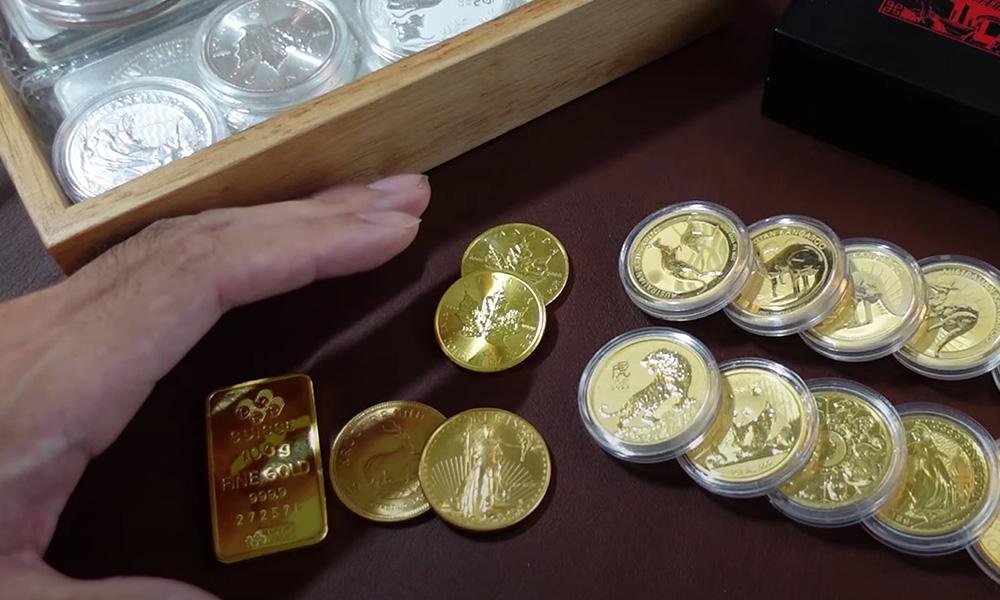
The precious metals market has recently seen a significant correction, with spot gold prices falling approximately 1.7% to around $4,120 per ounce, hitting a low of $4,090 during the session. Gold futures also weakened to around $4,135. The core variable driving this adjustment is the change in monetary policy expectations. The market's repricing of the probability of future interest rate hikes by the Federal Reserve has pushed the dollar index to a near one-year high. Expectations of rising interest rates directly increase the cost of holding non-interest-bearing assets, suppressing the attractiveness of gold as an investment. Some institutional models indicate that while gold still has room to rise in the long term if the Fed maintains a tight policy path, short-term prices are more influenced by the pace of dollar liquidity, exhibiting a typical macro-driven correction structure.

The current market exhibits a clear characteristic of synchronized adjustments across asset classes. A stronger US dollar is suppressing precious metals and simultaneously exerting systemic valuation pressure on dollar-denominated commodities. The energy sector maintains a risk premium due to changes in transportation corridor rules, while precious metals are under pressure due to changes in interest rate expectations. In terms of capital flows, short-term traders tend to engage in rapid rebalancing within macroeconomic event windows rather than establishing long-term directional positions. This behavior further amplifies intraday volatility but weakens trend continuity.
Question 1: Does the restriction on passage through the Strait of Hormuz mean a supply disruption?
A: There is no complete disruption at present, but the restrictions on the number of passages will change market expectations for transportation stability, thereby affecting the pricing structure of crude oil risk premium.
Question 2: What is the core driver behind the decline in gold prices?
A: This is mainly due to the strengthening of the US dollar and the increased expectation of rising interest rates, which raises the cost of holding assets and weakens the attractiveness of non-interest-bearing assets, while also reducing the safe-haven premium.
Question 3: What are the key characteristics of the current market volatility?
A: This manifests as a coexistence of cross-asset differentiation and high-frequency repricing, with short-term volatility rising but trend sustainability declining, and funds relying more on macro events to drive position adjustments.
Changes in the Strait of Hormuz passage mechanism and anticipated supply chain disruptions
Current information indicates that the Strait of Hormuz remains open and not under maritime blockade, but the rules for passage are becoming more conditional. Market sources suggest that the daily number of vessels passing through is limited and dynamically adjusted based on the situation. This mechanism means that market expectations for energy transportation are no longer linearly stable but have entered a phase of "controlled volatility." From a financial pricing perspective, such changes in mechanisms often do not immediately reflect supply disruptions but will increase forward risk premiums, particularly evident in the structure of crude oil futures curves. When transportation channels shift from complete freedom to quota management, even without actual supply disruptions, they will influence energy cost pricing logic through expectation channels.
Geopolitical signals and expectations surrounding US-Iran negotiations are repricing risk premiums.
Current market information presents both narratives of easing and constraint. On the one hand, the strengthened verification mechanism increases expectations of continued phased negotiations and reduces the probability of pricing in extreme scenarios. On the other hand, the continued implementation of vessel passage restrictions prevents the market from completely ruling out the tail risk of supply disruptions. This structure typically leads to a volatility surface exhibiting a "front-end pullback but tail-end strength," meaning short-term risk decreases while long-term hedging demand remains. For commodities, this environment is more likely to trigger changes in inter-period spread structures than a one-sided trend.
A stronger dollar and a reshaping of interest rate expectations weighed on precious metals.
The precious metals market has recently seen a significant correction, with spot gold prices falling approximately 1.7% to around $4,120 per ounce, hitting a low of $4,090 during the session. Gold futures also weakened to around $4,135. The core variable driving this adjustment is the change in monetary policy expectations. The market's repricing of the probability of future interest rate hikes by the Federal Reserve has pushed the dollar index to a near one-year high. Expectations of rising interest rates directly increase the cost of holding non-interest-bearing assets, suppressing the attractiveness of gold as an investment. Some institutional models indicate that while gold still has room to rise in the long term if the Fed maintains a tight policy path, short-term prices are more influenced by the pace of dollar liquidity, exhibiting a typical macro-driven correction structure.
Cross-asset linkage and changes in capital behavior
The current market exhibits a clear characteristic of synchronized adjustments across asset classes. A stronger US dollar is suppressing precious metals and simultaneously exerting systemic valuation pressure on dollar-denominated commodities. The energy sector maintains a risk premium due to changes in transportation corridor rules, while precious metals are under pressure due to changes in interest rate expectations. In terms of capital flows, short-term traders tend to engage in rapid rebalancing within macroeconomic event windows rather than establishing long-term directional positions. This behavior further amplifies intraday volatility but weakens trend continuity.
Frequently Asked Questions
Question 1: Does the restriction on passage through the Strait of Hormuz mean a supply disruption?
A: There is no complete disruption at present, but the restrictions on the number of passages will change market expectations for transportation stability, thereby affecting the pricing structure of crude oil risk premium.
Question 2: What is the core driver behind the decline in gold prices?
A: This is mainly due to the strengthening of the US dollar and the increased expectation of rising interest rates, which raises the cost of holding assets and weakens the attractiveness of non-interest-bearing assets, while also reducing the safe-haven premium.
Question 3: What are the key characteristics of the current market volatility?
A: This manifests as a coexistence of cross-asset differentiation and high-frequency repricing, with short-term volatility rising but trend sustainability declining, and funds relying more on macro events to drive position adjustments.
- Risk Warning and Disclaimer
- The market involves risk, and trading may not be suitable for all investors. This article is for reference only and does not constitute personal investment advice, nor does it take into account certain users’ specific investment objectives, financial situation, or other needs. Any investment decisions made based on this information are at your own risk.