New York Fed President: Current interest rate levels are appropriate; inflation will decline slowly.
2026-06-26 13:09:11
New York Federal Reserve Bank President Williams released his latest monetary policy views on Thursday (June 25), marking his first public statement since the Federal Open Market Committee (FOMC) meeting last week. His remarks generally conveyed a neutral signal, expressing optimism about a continued decline in inflation and acknowledging that the current interest rate range is suitable for the current economic environment. However, he also clarified that current inflation has not yet reached its target, and there is no room for discussion regarding interest rate cuts at this time.
Williams outlined the three core drivers of cooling prices and provided a clear timeline for the decline in inflation. The market adjusted its expectations for an interest rate hike at the end of July based on his remarks. The differences in voting authority among different Fed officials will also have a long-term impact on the direction of subsequent policies.
The presentation was held at the Cran Monetary Fund symposium in Jersey City, New Jersey. Williams stated that, based on various economic indicators, subsequent domestic inflation data in the United States will show a steady downward trend. From a policy perspective, maintaining the current benchmark interest rate level is very appropriate.
He said, "Overall inflation is still in a relatively high range. Our core task is to keep the price level falling steadily back to the long-term control target of 2%. The current monetary policy stance is fully capable of accomplishing this task."
This statement shows that Williams' concerns about runaway inflation have lessened compared to the previous period, but he has not shifted to expectations of easing. The Fed will not easily talk about interest rate cuts before inflation substantially returns to the target, and the work to finish the policy tightening cycle is not yet complete.
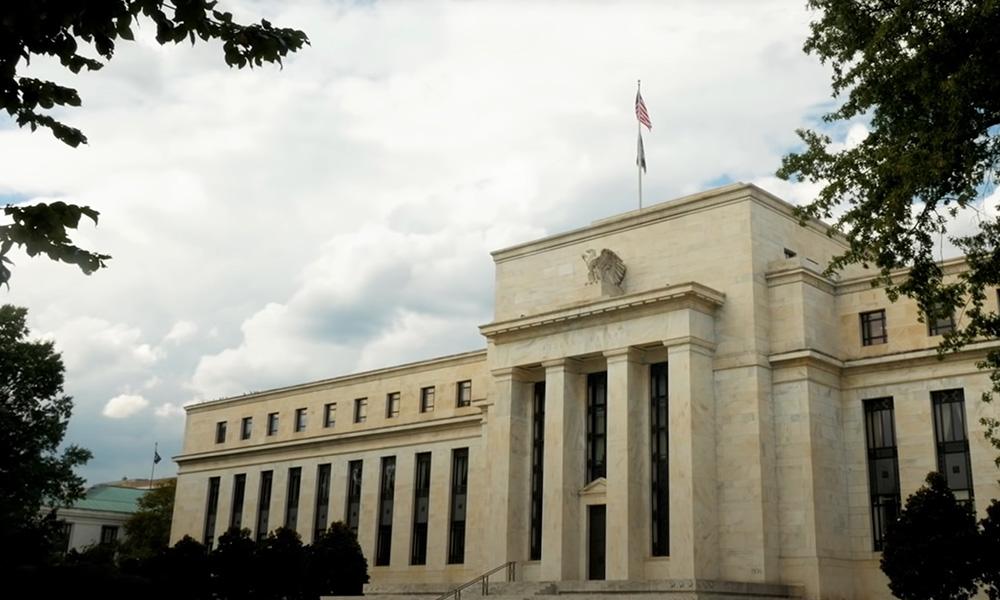
In his speech, Williams elaborated on the three main reasons he predicted a decline in inflation.
First, the price increase transmission effect of the previously imposed tariffs is gradually weakening, and the external driving force for rising prices continues to diminish. Second, the market generally expects the conflict in the Iranian region to come to an end, and the recovery of energy supply will drive down international energy prices, alleviating imported inflationary pressures. Finally, the pace of growth in the housing rental market has slowed, and rent increases have continued to narrow, which will lead to a corresponding decline in housing-related inflation components. Housing is a component with a high weighting in US inflation and can effectively lower the overall price level.
He made a clear prediction regarding the pace of inflation decline, stating that the current inflation reading is 4.1%, and it is expected to fall to 3.5% for the whole year. After that, it will maintain a gradual downward trend until it stabilizes at the Federal Reserve's 2% inflation target in 2028.
In his speech, Williams used the World Cup as an analogy for macroeconomic trends, saying, "The development of the macroeconomy is similar to the World Cup, with all sorts of unexpected and unpredictable fluctuations that can occur at any time. But one thing will never change: I will always firmly implement the two core policy objectives, do my best to promote full employment, and at the same time continue to push inflation back to the long-term target of 2%."
This statement reflects that the Federal Reserve will not easily adjust its overall direction due to short-term economic fluctuations, and controlling inflation remains the highest policy priority at this stage.
The next Federal Open Market Committee (FOMC) meeting is scheduled for July 28-29. Based on calculations using the CME Group's FedWatch Tool, the market currently anticipates a 30% probability of a rate hike at this meeting. Chicago Fed President Goolsby is not eligible to vote on the FOMC this year and will not gain voting rights until 2027, while Williams, as President of the New York Fed, holds permanent voting rights, giving his views a stronger influence on policy implementation.
Based on Williams' full statement, it is clear that the Federal Reserve's monetary policy is unlikely to shift towards easing in the short term. Although multiple factors will continue to suppress inflation, it will still take a long time for prices to return to the 2% target.
There is still a possibility of a slight rate hike at the Fed's meeting at the end of July. The market needs to continue to track subsequent inflation and employment data to further judge the pace of the Fed's interest rate adjustments. Before inflation shows a sustained and significant decline, the high-interest-rate environment will continue for a long time.
Williams outlined the three core drivers of cooling prices and provided a clear timeline for the decline in inflation. The market adjusted its expectations for an interest rate hike at the end of July based on his remarks. The differences in voting authority among different Fed officials will also have a long-term impact on the direction of subsequent policies.
Latest policy statement: Maintain current interest rates; the time is not yet ripe for a rate cut.
The presentation was held at the Cran Monetary Fund symposium in Jersey City, New Jersey. Williams stated that, based on various economic indicators, subsequent domestic inflation data in the United States will show a steady downward trend. From a policy perspective, maintaining the current benchmark interest rate level is very appropriate.
He said, "Overall inflation is still in a relatively high range. Our core task is to keep the price level falling steadily back to the long-term control target of 2%. The current monetary policy stance is fully capable of accomplishing this task."
This statement shows that Williams' concerns about runaway inflation have lessened compared to the previous period, but he has not shifted to expectations of easing. The Fed will not easily talk about interest rate cuts before inflation substantially returns to the target, and the work to finish the policy tightening cycle is not yet complete.
Three supporting factors are helping inflation to gradually cool down.
In his speech, Williams elaborated on the three main reasons he predicted a decline in inflation.
First, the price increase transmission effect of the previously imposed tariffs is gradually weakening, and the external driving force for rising prices continues to diminish. Second, the market generally expects the conflict in the Iranian region to come to an end, and the recovery of energy supply will drive down international energy prices, alleviating imported inflationary pressures. Finally, the pace of growth in the housing rental market has slowed, and rent increases have continued to narrow, which will lead to a corresponding decline in housing-related inflation components. Housing is a component with a high weighting in US inflation and can effectively lower the overall price level.
He made a clear prediction regarding the pace of inflation decline, stating that the current inflation reading is 4.1%, and it is expected to fall to 3.5% for the whole year. After that, it will maintain a gradual downward trend until it stabilizes at the Federal Reserve's 2% inflation target in 2028.
Despite economic uncertainties, the core policy objectives will remain unchanged.
In his speech, Williams used the World Cup as an analogy for macroeconomic trends, saying, "The development of the macroeconomy is similar to the World Cup, with all sorts of unexpected and unpredictable fluctuations that can occur at any time. But one thing will never change: I will always firmly implement the two core policy objectives, do my best to promote full employment, and at the same time continue to push inflation back to the long-term target of 2%."
This statement reflects that the Federal Reserve will not easily adjust its overall direction due to short-term economic fluctuations, and controlling inflation remains the highest policy priority at this stage.
July interest rate hike expectations and officials' voting authority
The next Federal Open Market Committee (FOMC) meeting is scheduled for July 28-29. Based on calculations using the CME Group's FedWatch Tool, the market currently anticipates a 30% probability of a rate hike at this meeting. Chicago Fed President Goolsby is not eligible to vote on the FOMC this year and will not gain voting rights until 2027, while Williams, as President of the New York Fed, holds permanent voting rights, giving his views a stronger influence on policy implementation.
Summarize
Based on Williams' full statement, it is clear that the Federal Reserve's monetary policy is unlikely to shift towards easing in the short term. Although multiple factors will continue to suppress inflation, it will still take a long time for prices to return to the 2% target.
There is still a possibility of a slight rate hike at the Fed's meeting at the end of July. The market needs to continue to track subsequent inflation and employment data to further judge the pace of the Fed's interest rate adjustments. Before inflation shows a sustained and significant decline, the high-interest-rate environment will continue for a long time.
- Risk Warning and Disclaimer
- The market involves risk, and trading may not be suitable for all investors. This article is for reference only and does not constitute personal investment advice, nor does it take into account certain users’ specific investment objectives, financial situation, or other needs. Any investment decisions made based on this information are at your own risk.