US oil giants saw their second-quarter profits surge, prompting the White House to hold oil companies accountable for price gouging.
2026-07-07 12:06:33
The disruption to shipping in the Strait of Hormuz has triggered a sharp contraction in global crude oil supply, causing Brent crude oil prices to surge to a four-year high. ExxonMobil and Chevron, the two major U.S. oil giants, are expected to see their second-quarter profits more than double compared to the first quarter, with overall industry profits reaching a new high since the Russia-Ukraine conflict in 2022.
This round of oil price increases was driven by geopolitical and shipping crises. However, the high profits have put oil companies under dual pressure from public opinion and policy. The US high-level officials, who are usually biased towards the energy industry, publicly criticized oil companies for raising end-user oil prices and ordered the Department of Justice to conduct a full investigation into the price increase. The oil and gas industry explained the delayed gasoline price reduction from three aspects: the transmission cycle of the industrial chain, low inventory levels, and policy costs. The differences between the two sides continued to intensify. With the midterm elections in November approaching, high oil prices have become a key test for White House policy.
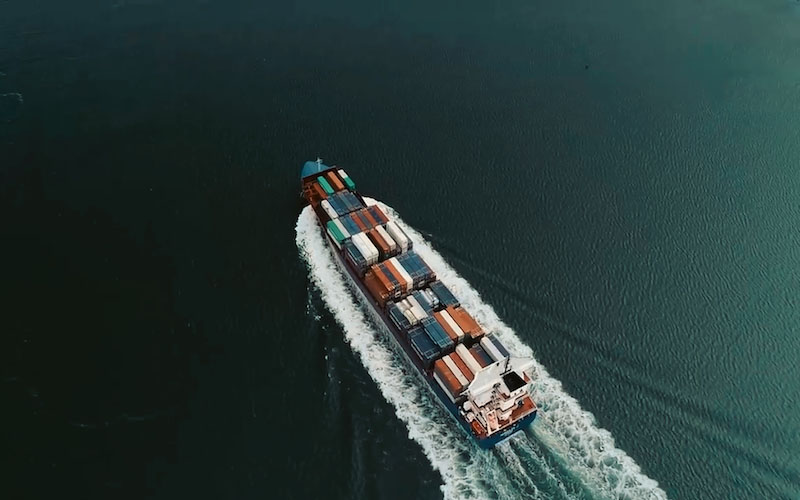
The obstruction of the Strait of Hormuz, a key global oil transportation route, has led to a rare supply disruption in the oil market, a significant reduction in the scale of crude oil shipments from the Middle East, continuous depletion of international crude oil inventories, and a sharp surge in prices.
Market analysts' calculations, compiled by market research institutions, indicate that ExxonMobil's adjusted net income for the second quarter (April to June) is estimated at $15.9 billion, while Chevron's net profit is close to $10 billion. Both companies' profits are more than three times that of the first quarter, and the entire industry's second-quarter performance is expected to reach a four-year peak. The last round of collective profiteering for oil companies occurred in 2022, when international oil prices reached the $100 per barrel mark. Back then, oil companies also faced public criticism for profiting from geopolitical factors. The current market situation is highly similar to that of the past.
This round of US-Iran conflict was initiated by the US and pushed up international oil prices. President Trump, who has consistently supported the oil and gas industry, has instead harshly criticized oil giants for reaping exorbitant profits and demanded that gasoline prices across the US be immediately reduced to between $2.25 and $2.50 per gallon. Since the end of June, Trump has publicly and continuously criticized oil companies for price gouging and has ordered the Department of Justice to thoroughly investigate illegal price increases in the fuel retail market, coordinating with state law enforcement agencies to conduct simultaneous investigations.
With the US midterm elections in November, persistently high gasoline prices continue to increase the cost of living for the public. Oil price trends directly affect public opinion on government policies, and the White House is eager to quickly lower fuel prices to alleviate public pressure.
Patrick De Haan, head of oil analysis at GasBuddy, a fuel analysis platform, said that the average price of gasoline across the U.S. on Independence Day was $3.755 per gallon, down $0.81 from the four-year high of $4.50 in May, but still $0.65 higher than the same period last year. With shipping in the Strait of Hormuz gradually resuming, there is room for further declines in oil prices, but the White House believes that the current pace of price reductions is far from meeting expectations.
Faced with regulatory accountability and public scrutiny, the oil and gas industry has been continuously explaining the pricing transmission mechanism to officials and the public, and taking proactive measures to address subsequent policy accusations.
The U.S. Fuel and Petrochemical Manufacturers Association stated that refiners cannot directly determine the final price of gasoline. Although crude oil is the core cost, renewable fuel standards policies have significantly increased domestic fuel supply costs. The association recommends that authorities adjust relevant policies to alleviate pressure on final prices.
Chevron's Chief Financial Officer, Eimear Bonner, stated at the end of June that there is a significant time lag in the transmission of crude oil price changes to gas station retail, and that gasoline prices will gradually decline as shipping routes and geopolitical situations stabilize.
An oil industry executive admitted that companies are forced to become the target of public criticism. The industry is highly cyclical, and during periods of declining oil prices, companies bear huge operating losses alone. This cyclical logic still needs to be fully explained to regulators. Significant fluctuations in oil and gas industry profits with rising and falling oil prices are normal. In every period of soaring crude oil prices, oil companies have faced public condemnation for their high profits, and the current second-quarter windfall is unlikely to change this inherent situation in the industry.
Considering geopolitical supply, financial data, and policy maneuvering, the Strait of Hormuz shipping crisis created huge short-term profits for oil giants, but also exacerbated the conflict between the oil and gas industry and the US government. The time lag in the transmission of crude oil to refined products, low global oil inventories, and rising costs due to renewable fuel policies have all contributed to slowing the pace of gasoline price reductions. Furthermore, the White House, driven by electoral considerations, has exerted strong pressure on oil companies and launched an investigation into price increases, making it difficult to resolve the differences between the two sides in the short term.
Oil prices will continue to decline after the resumption of navigation on medium- and long-term waterways. The cyclical pattern of profit and loss in the oil and gas industry will not be changed by short-term policy intervention.
This round of oil price increases was driven by geopolitical and shipping crises. However, the high profits have put oil companies under dual pressure from public opinion and policy. The US high-level officials, who are usually biased towards the energy industry, publicly criticized oil companies for raising end-user oil prices and ordered the Department of Justice to conduct a full investigation into the price increase. The oil and gas industry explained the delayed gasoline price reduction from three aspects: the transmission cycle of the industrial chain, low inventory levels, and policy costs. The differences between the two sides continued to intensify. With the midterm elections in November approaching, high oil prices have become a key test for White House policy.
Shipping crisis ruptures crude oil supply chain, leading oil companies poised for explosive profit growth.
The obstruction of the Strait of Hormuz, a key global oil transportation route, has led to a rare supply disruption in the oil market, a significant reduction in the scale of crude oil shipments from the Middle East, continuous depletion of international crude oil inventories, and a sharp surge in prices.
Market analysts' calculations, compiled by market research institutions, indicate that ExxonMobil's adjusted net income for the second quarter (April to June) is estimated at $15.9 billion, while Chevron's net profit is close to $10 billion. Both companies' profits are more than three times that of the first quarter, and the entire industry's second-quarter performance is expected to reach a four-year peak. The last round of collective profiteering for oil companies occurred in 2022, when international oil prices reached the $100 per barrel mark. Back then, oil companies also faced public criticism for profiting from geopolitical factors. The current market situation is highly similar to that of the past.
The White House is putting strong pressure on oil companies to launch a full-scale investigation into fuel price increases.
This round of US-Iran conflict was initiated by the US and pushed up international oil prices. President Trump, who has consistently supported the oil and gas industry, has instead harshly criticized oil giants for reaping exorbitant profits and demanded that gasoline prices across the US be immediately reduced to between $2.25 and $2.50 per gallon. Since the end of June, Trump has publicly and continuously criticized oil companies for price gouging and has ordered the Department of Justice to thoroughly investigate illegal price increases in the fuel retail market, coordinating with state law enforcement agencies to conduct simultaneous investigations.
With the US midterm elections in November, persistently high gasoline prices continue to increase the cost of living for the public. Oil price trends directly affect public opinion on government policies, and the White House is eager to quickly lower fuel prices to alleviate public pressure.
Patrick De Haan, head of oil analysis at GasBuddy, a fuel analysis platform, said that the average price of gasoline across the U.S. on Independence Day was $3.755 per gallon, down $0.81 from the four-year high of $4.50 in May, but still $0.65 higher than the same period last year. With shipping in the Strait of Hormuz gradually resuming, there is room for further declines in oil prices, but the White House believes that the current pace of price reductions is far from meeting expectations.
Multiple parties in the oil and gas industry have provided explanations, outlining the core reasons for the delayed gasoline price reduction.
Faced with regulatory accountability and public scrutiny, the oil and gas industry has been continuously explaining the pricing transmission mechanism to officials and the public, and taking proactive measures to address subsequent policy accusations.
The U.S. Fuel and Petrochemical Manufacturers Association stated that refiners cannot directly determine the final price of gasoline. Although crude oil is the core cost, renewable fuel standards policies have significantly increased domestic fuel supply costs. The association recommends that authorities adjust relevant policies to alleviate pressure on final prices.
Chevron's Chief Financial Officer, Eimear Bonner, stated at the end of June that there is a significant time lag in the transmission of crude oil price changes to gas station retail, and that gasoline prices will gradually decline as shipping routes and geopolitical situations stabilize.
An oil industry executive admitted that companies are forced to become the target of public criticism. The industry is highly cyclical, and during periods of declining oil prices, companies bear huge operating losses alone. This cyclical logic still needs to be fully explained to regulators. Significant fluctuations in oil and gas industry profits with rising and falling oil prices are normal. In every period of soaring crude oil prices, oil companies have faced public condemnation for their high profits, and the current second-quarter windfall is unlikely to change this inherent situation in the industry.
Summarize
Considering geopolitical supply, financial data, and policy maneuvering, the Strait of Hormuz shipping crisis created huge short-term profits for oil giants, but also exacerbated the conflict between the oil and gas industry and the US government. The time lag in the transmission of crude oil to refined products, low global oil inventories, and rising costs due to renewable fuel policies have all contributed to slowing the pace of gasoline price reductions. Furthermore, the White House, driven by electoral considerations, has exerted strong pressure on oil companies and launched an investigation into price increases, making it difficult to resolve the differences between the two sides in the short term.
Oil prices will continue to decline after the resumption of navigation on medium- and long-term waterways. The cyclical pattern of profit and loss in the oil and gas industry will not be changed by short-term policy intervention.
- Risk Warning and Disclaimer
- The market involves risk, and trading may not be suitable for all investors. This article is for reference only and does not constitute personal investment advice, nor does it take into account certain users’ specific investment objectives, financial situation, or other needs. Any investment decisions made based on this information are at your own risk.