Five top advisors to the Federal Reserve are in place, poised to comprehensively reshape the U.S. monetary policy system.
2026-07-10 10:01:02
On Thursday, Federal Reserve Chairman Kevin Warsh officially announced the full lineup of experts for five special reform working groups, bringing together seasoned Wall Street professionals, executives from well-known companies, top academics, and former Fed officials to form a diverse think tank. This reform covers five core areas: policy communication, balance sheet, data systems, productivity and employment, and the inflation framework, aiming to comprehensively review the Fed's current operations and monetary policy system. Each group will conduct independent research and analysis, and the final results will directly serve the Federal Open Market Committee's decision-making. It is expected that several institutional optimizations will be implemented by 2026, making it the largest systemic reform by the Fed in recent years.
Last month, Warsh first publicly announced his reform plan to form special working groups. In less than two months in office, he has been dedicated to comprehensively optimizing the Federal Reserve's policy implementation model. The five working groups focus on core and critical areas, comprehensively reviewing current policy implementation models, and systematically analyzing core mechanisms such as inflation assessment, employment control, and policy transmission, while incorporating emerging market variables such as artificial intelligence. Adhering to the principles of addressing fundamental issues, confronting problems directly, reviewing the current situation, and proposing alternative solutions, the working groups provide feasible implementation paths for the Fed's policy iterations. While the official Fed announcement did not specify a completion timeframe, Warsh clearly stated that several substantial reform measures will be implemented this year.
According to official disclosures, each working group has independent research authority, conducts research strictly based on objective data, outputs objective and rigorous judgments and rectification suggestions, maintains neutrality and professionalism throughout the process, and finally submits the research results to the Federal Open Market Committee to provide core references for monetary policy adjustments.
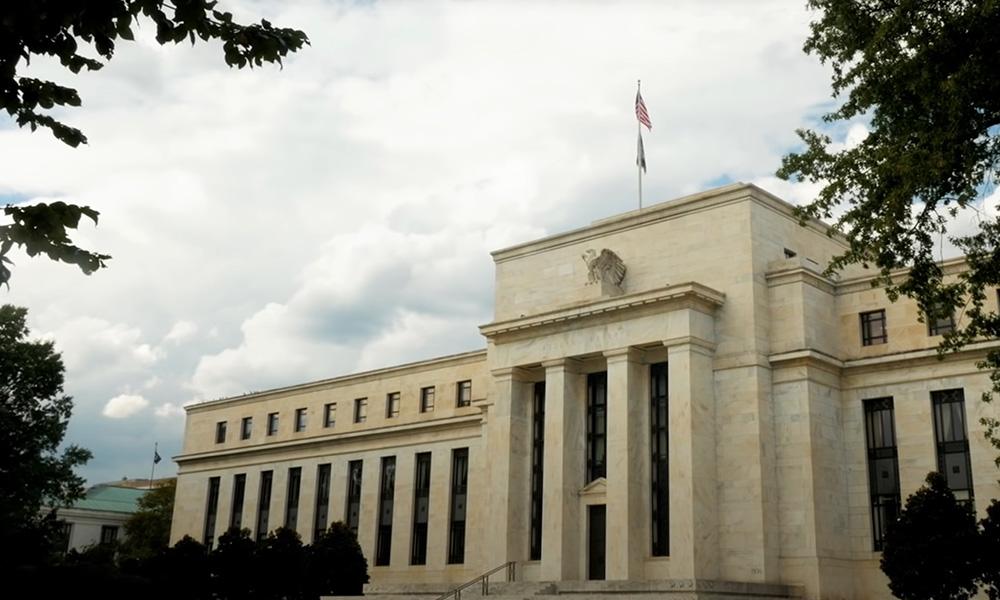
The selected expert team boasts an impressive lineup, bringing together top talents from the global finance, academia, technology, and business sectors, with diverse and complementary backgrounds and philosophies.
The core members include venture capitalist Marc Andreessen, former Bank of England Governor Mervin King, and former Chairman of the White House Council of Economic Advisers Greg Mankiw, with former Walmart CEO Doug McMillon representing the corporate sector. Other notable members include former Reserve Bank of India Governor Raghuram Rajan, former Federal Reserve Governor Jeremy Stein, and Canadian economist William White, who warned of the 2008 global financial crisis.
It is worth noting that Marc Andreessen has recently secured several important public positions. After being selected for the U.S. Defense Policy Council at the end of June, he has rejoined the Federal Reserve's reform team, serving on the Productivity and Employment Task Force.
Kevin Warsh stated that the collaboration of top talents from multiple fields to assist in the Federal Reserve's reforms can effectively enhance the professionalism and accuracy of the institution's performance, helping the Federal Reserve to accurately implement policy objectives in a complex economic environment.
The five working groups each perform their respective duties and focus precisely on the core reform directions, while also being supported by dedicated personnel within the Federal Reserve.
The Policy Communications Working Group, co-led by University of Washington professor Peter R. Fisher, former Brazilian central bank governor Arminio Fraga, and Mervyn King, focuses on optimizing the Federal Reserve's external communications mechanisms.
The Balance Sheet Policy Working Group, comprised of Harvard University economists Karen Dynan, Raghuram Rajan, and Jeremy Stein, is dedicated to reviewing the Federal Reserve's balance sheet management model.
The data task force, led by Doug McMillan and renowned economists from Harvard and the University of Chicago, aims to improve the system for collecting and analyzing economic data.
The Productivity and Employment Working Group includes Marc Andreessen, Stanford University economist Charles I. Jones, and Microsoft executive Asha Sharma, focusing on the linkage between industrial productivity and employment.
The Inflation Framework Working Group, led by Greg Mankiw, William White, and New York University economist Thomas Sargent, is tasked with reconstructing the framework for assessing and controlling inflation.
This round of special reforms has already shown early results. The Federal Reserve's external communication model has been optimized, gradually weakening traditional forward guidance and no longer predicting future interest rate trends. Instead, it focuses on clarifying the triggering conditions and response logic for policy adjustments. The significantly streamlined statement following the June policy meeting is a preliminary achievement of these reforms.
With the five working groups fully launched, the Federal Reserve will continue to break away from established policy paradigms, relying on the analysis of diverse think tanks to adapt to the current complex and ever-changing global economic and financial landscape.
Overall, the Federal Reserve's formation of five cross-disciplinary think tanks marks a systemic, comprehensive, and profound reform of US monetary policy. Leveraging the professional analysis of top talent from various fields, the Fed will address shortcomings in the current policy system and optimize core mechanisms such as inflation control, employment protection, and policy transmission.
The series of reforms implemented this year may reshape the global dollar liquidity cycle and have a profound impact on the global foreign exchange market, bond market and commodity market.
With the reform plan implemented, a multi-dimensional review of the monetary policy system is underway.
Last month, Warsh first publicly announced his reform plan to form special working groups. In less than two months in office, he has been dedicated to comprehensively optimizing the Federal Reserve's policy implementation model. The five working groups focus on core and critical areas, comprehensively reviewing current policy implementation models, and systematically analyzing core mechanisms such as inflation assessment, employment control, and policy transmission, while incorporating emerging market variables such as artificial intelligence. Adhering to the principles of addressing fundamental issues, confronting problems directly, reviewing the current situation, and proposing alternative solutions, the working groups provide feasible implementation paths for the Fed's policy iterations. While the official Fed announcement did not specify a completion timeframe, Warsh clearly stated that several substantial reform measures will be implemented this year.
According to official disclosures, each working group has independent research authority, conducts research strictly based on objective data, outputs objective and rigorous judgments and rectification suggestions, maintains neutrality and professionalism throughout the process, and finally submits the research results to the Federal Open Market Committee to provide core references for monetary policy adjustments.
A prestigious team of experts has been assembled, with diverse talents from various fields providing diverse empowerment.
The selected expert team boasts an impressive lineup, bringing together top talents from the global finance, academia, technology, and business sectors, with diverse and complementary backgrounds and philosophies.
The core members include venture capitalist Marc Andreessen, former Bank of England Governor Mervin King, and former Chairman of the White House Council of Economic Advisers Greg Mankiw, with former Walmart CEO Doug McMillon representing the corporate sector. Other notable members include former Reserve Bank of India Governor Raghuram Rajan, former Federal Reserve Governor Jeremy Stein, and Canadian economist William White, who warned of the 2008 global financial crisis.
It is worth noting that Marc Andreessen has recently secured several important public positions. After being selected for the U.S. Defense Policy Council at the end of June, he has rejoined the Federal Reserve's reform team, serving on the Productivity and Employment Task Force.
Kevin Warsh stated that the collaboration of top talents from multiple fields to assist in the Federal Reserve's reforms can effectively enhance the professionalism and accuracy of the institution's performance, helping the Federal Reserve to accurately implement policy objectives in a complex economic environment.
The five special projects have clearly defined responsibilities and precisely target the pain points of the system.
The five working groups each perform their respective duties and focus precisely on the core reform directions, while also being supported by dedicated personnel within the Federal Reserve.
The Policy Communications Working Group, co-led by University of Washington professor Peter R. Fisher, former Brazilian central bank governor Arminio Fraga, and Mervyn King, focuses on optimizing the Federal Reserve's external communications mechanisms.
The Balance Sheet Policy Working Group, comprised of Harvard University economists Karen Dynan, Raghuram Rajan, and Jeremy Stein, is dedicated to reviewing the Federal Reserve's balance sheet management model.
The data task force, led by Doug McMillan and renowned economists from Harvard and the University of Chicago, aims to improve the system for collecting and analyzing economic data.
The Productivity and Employment Working Group includes Marc Andreessen, Stanford University economist Charles I. Jones, and Microsoft executive Asha Sharma, focusing on the linkage between industrial productivity and employment.
The Inflation Framework Working Group, led by Greg Mankiw, William White, and New York University economist Thomas Sargent, is tasked with reconstructing the framework for assessing and controlling inflation.
The reforms are showing initial results, and the Federal Reserve's policy style has undergone a comprehensive transformation.
This round of special reforms has already shown early results. The Federal Reserve's external communication model has been optimized, gradually weakening traditional forward guidance and no longer predicting future interest rate trends. Instead, it focuses on clarifying the triggering conditions and response logic for policy adjustments. The significantly streamlined statement following the June policy meeting is a preliminary achievement of these reforms.
With the five working groups fully launched, the Federal Reserve will continue to break away from established policy paradigms, relying on the analysis of diverse think tanks to adapt to the current complex and ever-changing global economic and financial landscape.
Summarize
Overall, the Federal Reserve's formation of five cross-disciplinary think tanks marks a systemic, comprehensive, and profound reform of US monetary policy. Leveraging the professional analysis of top talent from various fields, the Fed will address shortcomings in the current policy system and optimize core mechanisms such as inflation control, employment protection, and policy transmission.
The series of reforms implemented this year may reshape the global dollar liquidity cycle and have a profound impact on the global foreign exchange market, bond market and commodity market.
- Risk Warning and Disclaimer
- The market involves risk, and trading may not be suitable for all investors. This article is for reference only and does not constitute personal investment advice, nor does it take into account certain users’ specific investment objectives, financial situation, or other needs. Any investment decisions made based on this information are at your own risk.