The renewed conflict between the US and Iran has shattered expectations of a lasting ceasefire and reversed the logic of the Gulf oil-producing nations' power struggle over market share.
2026-07-10 11:18:38
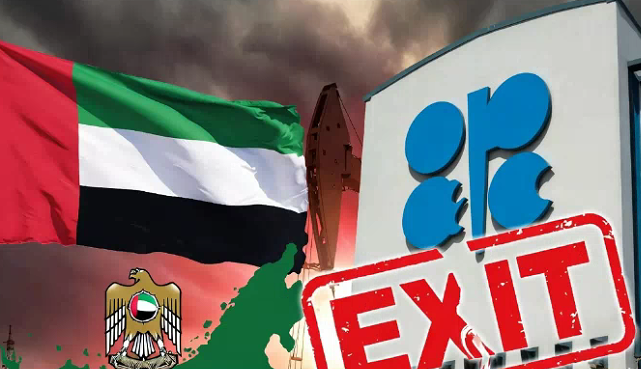
The UAE's announcement of its withdrawal from OPEC, lifting the production ceiling, immediately fueled market speculation that the OPEC alliance was on the verge of collapse. At the time, traders generally believed that a US-Iran ceasefire was imminent, and a price war among oil-producing countries to seize market share in Asia was about to begin. However, subsequent geopolitical conflicts in the Middle East escalated again, with the US resuming strikes against Iran, rendering the ceasefire agreement completely ineffective and highlighting the risk of long-term supply disruptions to crude oil from OPEC's core production areas.
Previously, the industry's predictions of an oversupply market based on two major assumptions have been overturned: first, the expectation that demand recovery would lag behind supply; and second, the assumption that the ceasefire would be sustainable. Now, the protracted conflict has changed all pricing logic . In the short term, the primary goal of all countries is to open up export channels, ignoring OPEC quotas. However, after the conflict subsides, oil-producing countries will eventually recognize the core value of working together to stabilize prices, and the UAE is unwilling to bear the losses caused by a sharp drop in oil prices.
After the UAE withdrew from OPEC, Iraq publicly stated that it would follow suit if it could not obtain the authority to increase production. As Saudi Arabia insisted on limiting production to maintain prices while the other Gulf member states hoped to increase production and revenue, internal conflicts continued to escalate. Many believe that OPEC will be reduced from an oil market stabilizer to an empty shell organization with no binding force.
At the time, the market speculated that after the US and Iran reached a temporary ceasefire, oil tankers stranded in the Strait of Hormuz would be shipped out en masse, significantly releasing crude oil supply. Coupled with a slow recovery in demand, this would lead to a significant global oversupply. However, historically, this logic has obvious flaws. As a commodity essential to the global economy, crude oil price declines typically stimulate a rapid recovery in demand; conversely, when oil prices surge, countries release strategic reserves and implement oil consumption controls, resulting in a very slow decline in demand. Therefore, a so-called sustainable oversupply is unlikely to materialize.
The core premise of all previous market easing was the continuation of the US-Iran ceasefire agreement, but the shipping lane conflict and the new round of US airstrikes directly shattered this expectation. Iran launched attacks on oil tankers that were not complying with shipping lane controls, and the US immediately launched retaliatory bombings, rendering the ceasefire completely ineffective.
Many observers who have been closely following the situation in the Middle East have warned that the current standoff will last far longer than the market's optimistic expectations. Even if Gulf oil-producing countries adjust their export pipelines and open alternative ports, the construction of new oil and gas pipelines will be a long-term process, and the obstruction of crude oil and natural gas transportation will become the norm.
The current assessment that the competition will be about seizing market share after the conflict ends is clearly premature. The core challenge for all countries right now is to break through shipping blockades and export as much crude oil as possible. Survival pressures are driving countries to prioritize their own interests, rendering OPEC quota constraints meaningless.
During this unique phase of ongoing geopolitical blockade, member states leaving the alliance and unilaterally increasing their production capacity becomes the best short-term option. However, in the long run, no single country can independently control global oil pricing power; cooperation is essential to enhance a nation's bargaining power. While the UAE is eager to lift its production cap and expand exports, it is certainly not happy to see oil prices fall to the $40 per barrel range due to disorderly competition. The large-scale oil surplus that had been predicted many times has yet to materialize.
Once the Middle East conflict is completely resolved and the market returns to normal, Middle Eastern oil-producing countries will re-emphasize OPEC's core role, relying on collective regulation to balance global supply and demand and avoid disorderly production increases that could trigger a brutal price war. This is also the common long-term demand of all resource-exporting countries.
In summary, the UAE's withdrawal, coupled with geopolitical conflicts, amplified the internal divisions within OPEC in the short term. The market initially speculated on the alliance's collapse and a potential oil glut, but the failure of ceasefire expectations and long-term supply disruptions completely reversed market logic. Currently, countries are focusing on securing oil transportation routes, with market share competition temporarily giving way to supply-demand-driven growth. In the medium to long term, once geopolitical risks subside, the collaborative logic of production cuts and price stabilization will once again dominate, and OPEC's market-regulating value will not completely disappear due to short-term disagreements.
Previously, the industry's predictions of an oversupply market based on two major assumptions have been overturned: first, the expectation that demand recovery would lag behind supply; and second, the assumption that the ceasefire would be sustainable. Now, the protracted conflict has changed all pricing logic . In the short term, the primary goal of all countries is to open up export channels, ignoring OPEC quotas. However, after the conflict subsides, oil-producing countries will eventually recognize the core value of working together to stabilize prices, and the UAE is unwilling to bear the losses caused by a sharp drop in oil prices.
The UAE's withdrawal from OPEC amplified internal divisions, leading to market pessimism about OPEC's regulatory capabilities.
After the UAE withdrew from OPEC, Iraq publicly stated that it would follow suit if it could not obtain the authority to increase production. As Saudi Arabia insisted on limiting production to maintain prices while the other Gulf member states hoped to increase production and revenue, internal conflicts continued to escalate. Many believe that OPEC will be reduced from an oil market stabilizer to an empty shell organization with no binding force.
At the time, the market speculated that after the US and Iran reached a temporary ceasefire, oil tankers stranded in the Strait of Hormuz would be shipped out en masse, significantly releasing crude oil supply. Coupled with a slow recovery in demand, this would lead to a significant global oversupply. However, historically, this logic has obvious flaws. As a commodity essential to the global economy, crude oil price declines typically stimulate a rapid recovery in demand; conversely, when oil prices surge, countries release strategic reserves and implement oil consumption controls, resulting in a very slow decline in demand. Therefore, a so-called sustainable oversupply is unlikely to materialize.
The ceasefire expectation has been completely shattered, and long-term supply disruptions have overturned the oversupply prediction.
The core premise of all previous market easing was the continuation of the US-Iran ceasefire agreement, but the shipping lane conflict and the new round of US airstrikes directly shattered this expectation. Iran launched attacks on oil tankers that were not complying with shipping lane controls, and the US immediately launched retaliatory bombings, rendering the ceasefire completely ineffective.
Many observers who have been closely following the situation in the Middle East have warned that the current standoff will last far longer than the market's optimistic expectations. Even if Gulf oil-producing countries adjust their export pipelines and open alternative ports, the construction of new oil and gas pipelines will be a long-term process, and the obstruction of crude oil and natural gas transportation will become the norm.
The current assessment that the competition will be about seizing market share after the conflict ends is clearly premature. The core challenge for all countries right now is to break through shipping blockades and export as much crude oil as possible. Survival pressures are driving countries to prioritize their own interests, rendering OPEC quota constraints meaningless.
Short-term self-serving competition is unsustainable; as the conflict ends, OPEC's value will return.
During this unique phase of ongoing geopolitical blockade, member states leaving the alliance and unilaterally increasing their production capacity becomes the best short-term option. However, in the long run, no single country can independently control global oil pricing power; cooperation is essential to enhance a nation's bargaining power. While the UAE is eager to lift its production cap and expand exports, it is certainly not happy to see oil prices fall to the $40 per barrel range due to disorderly competition. The large-scale oil surplus that had been predicted many times has yet to materialize.
Once the Middle East conflict is completely resolved and the market returns to normal, Middle Eastern oil-producing countries will re-emphasize OPEC's core role, relying on collective regulation to balance global supply and demand and avoid disorderly production increases that could trigger a brutal price war. This is also the common long-term demand of all resource-exporting countries.
Summarize
In summary, the UAE's withdrawal, coupled with geopolitical conflicts, amplified the internal divisions within OPEC in the short term. The market initially speculated on the alliance's collapse and a potential oil glut, but the failure of ceasefire expectations and long-term supply disruptions completely reversed market logic. Currently, countries are focusing on securing oil transportation routes, with market share competition temporarily giving way to supply-demand-driven growth. In the medium to long term, once geopolitical risks subside, the collaborative logic of production cuts and price stabilization will once again dominate, and OPEC's market-regulating value will not completely disappear due to short-term disagreements.
- Risk Warning and Disclaimer
- The market involves risk, and trading may not be suitable for all investors. This article is for reference only and does not constitute personal investment advice, nor does it take into account certain users’ specific investment objectives, financial situation, or other needs. Any investment decisions made based on this information are at your own risk.