Strategic reserves are running low! Conflict reignites in the Middle East, and the global oil market officially enters a new phase of "replenishment competition."
2026-07-13 12:12:56
The military conflict involving Iran has escalated again, and the Middle East has returned to the core of the global energy market. Unlike previous crises, the global strategic security buffer for crude oil has shrunk significantly, and the oil market has officially entered a second phase with higher risks.
In this crisis, the release of strategic oil reserves by various countries temporarily smoothed out short-term fluctuations, but laid the groundwork for rigid restocking demand in the long term. Coupled with geopolitical risks pushing up logistics costs and the gradual recovery of demand in Asia, the oil market will shift from "supply shortage" to "restocking competition" in the future. The bottom support for oil prices will far exceed market expectations, and the global energy security landscape will undergo structural reshaping.
Last weekend (July 11-12), the US launched a new round of military strikes against Iranian targets, prompting a retaliation from Iran. Tensions in the Gulf region continued to escalate. Even though the Strait of Hormuz has not been closed to navigation for an extended period, shipping companies and insurance institutions have significantly increased their risk assessments, leading to a continuous rise in freight rates and war risk insurance premiums. Geopolitical uncertainty alone has driven up the transportation cost per barrel of crude oil. Unlike the first phase, which relied on releasing strategic reserves and adjusting export routes to absorb the supply gap, global emergency crude oil reserves have now been largely depleted, and the core market challenge has shifted to "rebuilding strategic buffers."
For decades, market assessments of geopolitical shocks have largely focused on the scale of production cuts and spare capacity, but this logic is no longer applicable. In the coming weeks, the core issue for the market will be how much additional crude oil needs to be purchased to replenish reserves. The main theme of the oil market has shifted from "releasing reserves to stabilize prices" to "mandatory restocking driven by essential needs," a change that fundamentally alters the logic behind oil price fluctuations.
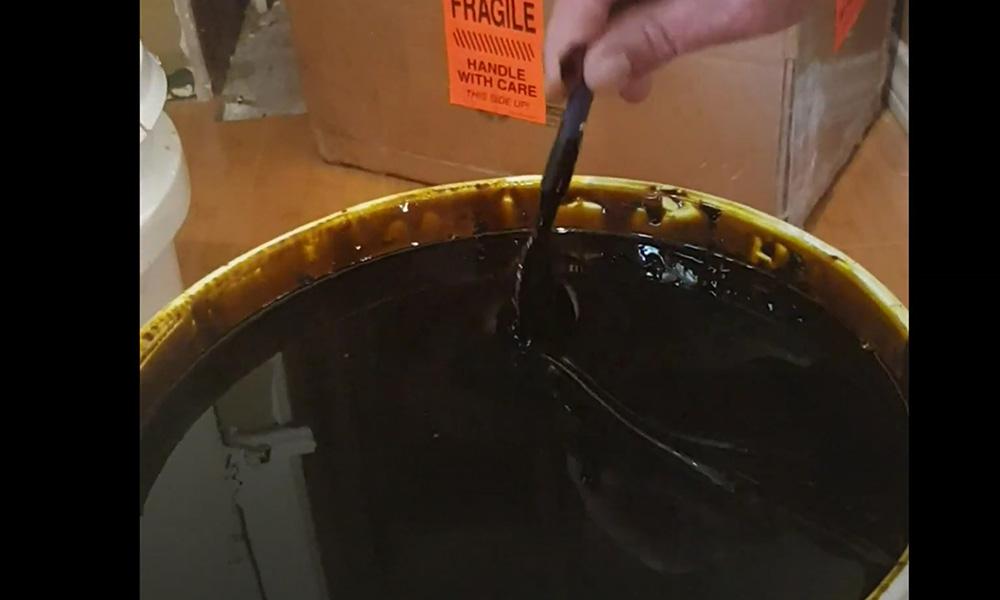
The United States previously relied on its strategic petroleum reserves to mitigate supply disruptions, but this has turned the reserves from an "emergency safety net" into a "market regulation tool." Recently, most of the releases of US reserves have not been direct sales, but rather completed through crude oil swap agreements. Companies acquire crude oil now, and are required to return an equivalent volume of crude oil and pay a premium in the future. These transactions are essentially secured loans, not permanent sales.
The market previously mistakenly viewed reserve releases as an increase in supply, but in reality, they merely brought forward demand without addressing the underlying supply-demand imbalance. Calculations show that strategic reserve replenishment alone can sustain global crude oil demand until 2028, expected to generate a rigid purchase volume of 500,000 to 750,000 barrels per day, providing a new and stable source of demand for the oil market. With all member countries of the International Energy Agency participating in reserve releases, decades of accumulated inventories in Europe, Japan, and South Korea have been significantly depleted. Replenishment costs have continued to rise due to geopolitical instability, and the willingness of various countries to release reserves on a large scale has significantly weakened.
There is still a misconception in the market that Saudi Arabia and the UAE's spare production capacity can stabilize oil prices. In reality, production capacity cannot eliminate geopolitical risks. Crude oil transportation is highly dependent on infrastructure networks such as pipelines and ports, and the risk exposure is far greater than that in the production stage. During periods of geopolitical tension, the premium of spot crude oil relative to futures prices reflects more a lack of market confidence than a simple supply shortage.
Demand shifts in the world's largest oil consumer have added variables to the market. The initial phase of the conflict saw domestic refinery operations sluggish, suppressing global demand. However, this situation is unlikely to be sustainable. Once refineries resume operations, the economy recovers, and OECD countries replenish their inventories, a multi-party buyer landscape will emerge. The future oil market will no longer be characterized by "demand recovery matching supply growth," but rather by a mutually reinforcing interplay of consumer demand, commercial inventory replenishment, and strategic reserve replenishment, supporting a floor for oil prices far higher than most institutions' current forecasts.
The United States faces a dilemma: while continuing to release reserves may stabilize prices in the short term, it will exacerbate long-term restocking pressures and weaken market confidence in the reserve's ability to provide a safety net. Europe is not only impacted by crude oil prices, but the situation in the Gulf also affects diesel supply and demand, refinery profits, and LNG shipping. Asian economies are also highly dependent on Middle Eastern crude oil exports, resulting in significant risk exposure.
Historical experience shows that the end of an oil crisis is marked by the return of market confidence, not by the recovery of production capacity. The next oil bull market may differ from the past, not being triggered by large-scale supply disruptions, but rather by the gradual formation of moderate demand, such as restocking by various countries, fulfilling corporate obligations, and refining. Most of this crude oil will enter the storage stage, but will substantially tighten the physical market.
The core issue in this round of oil crisis triggered by the Middle East conflict has shifted from supply shortages to competition for strategic reserves, significantly reducing the flexibility of global energy strategies. Rebuilding a security buffer requires hundreds of millions of barrels of crude oil, years of planned procurement, and huge sums of money. If the US-Iran standoff continues, the competition for limited crude oil will further drive up oil prices.
The oil market is expected to remain volatile at high levels in the future, with solid support at the bottom, and the global energy security landscape will undergo a long-term reshaping.
In this crisis, the release of strategic oil reserves by various countries temporarily smoothed out short-term fluctuations, but laid the groundwork for rigid restocking demand in the long term. Coupled with geopolitical risks pushing up logistics costs and the gradual recovery of demand in Asia, the oil market will shift from "supply shortage" to "restocking competition" in the future. The bottom support for oil prices will far exceed market expectations, and the global energy security landscape will undergo structural reshaping.
The crisis has entered a new phase, with the depletion of strategic reserves becoming the core risk.
Last weekend (July 11-12), the US launched a new round of military strikes against Iranian targets, prompting a retaliation from Iran. Tensions in the Gulf region continued to escalate. Even though the Strait of Hormuz has not been closed to navigation for an extended period, shipping companies and insurance institutions have significantly increased their risk assessments, leading to a continuous rise in freight rates and war risk insurance premiums. Geopolitical uncertainty alone has driven up the transportation cost per barrel of crude oil. Unlike the first phase, which relied on releasing strategic reserves and adjusting export routes to absorb the supply gap, global emergency crude oil reserves have now been largely depleted, and the core market challenge has shifted to "rebuilding strategic buffers."
For decades, market assessments of geopolitical shocks have largely focused on the scale of production cuts and spare capacity, but this logic is no longer applicable. In the coming weeks, the core issue for the market will be how much additional crude oil needs to be purchased to replenish reserves. The main theme of the oil market has shifted from "releasing reserves to stabilize prices" to "mandatory restocking driven by essential needs," a change that fundamentally alters the logic behind oil price fluctuations.
Reserve releases have drawn on long-term demand, while restocking provides rigid support.
The United States previously relied on its strategic petroleum reserves to mitigate supply disruptions, but this has turned the reserves from an "emergency safety net" into a "market regulation tool." Recently, most of the releases of US reserves have not been direct sales, but rather completed through crude oil swap agreements. Companies acquire crude oil now, and are required to return an equivalent volume of crude oil and pay a premium in the future. These transactions are essentially secured loans, not permanent sales.
The market previously mistakenly viewed reserve releases as an increase in supply, but in reality, they merely brought forward demand without addressing the underlying supply-demand imbalance. Calculations show that strategic reserve replenishment alone can sustain global crude oil demand until 2028, expected to generate a rigid purchase volume of 500,000 to 750,000 barrels per day, providing a new and stable source of demand for the oil market. With all member countries of the International Energy Agency participating in reserve releases, decades of accumulated inventories in Europe, Japan, and South Korea have been significantly depleted. Replenishment costs have continued to rise due to geopolitical instability, and the willingness of various countries to release reserves on a large scale has significantly weakened.
The supply and demand dynamics are being reshaped, and the bottom support for oil prices is far stronger than expected.
There is still a misconception in the market that Saudi Arabia and the UAE's spare production capacity can stabilize oil prices. In reality, production capacity cannot eliminate geopolitical risks. Crude oil transportation is highly dependent on infrastructure networks such as pipelines and ports, and the risk exposure is far greater than that in the production stage. During periods of geopolitical tension, the premium of spot crude oil relative to futures prices reflects more a lack of market confidence than a simple supply shortage.
Demand shifts in the world's largest oil consumer have added variables to the market. The initial phase of the conflict saw domestic refinery operations sluggish, suppressing global demand. However, this situation is unlikely to be sustainable. Once refineries resume operations, the economy recovers, and OECD countries replenish their inventories, a multi-party buyer landscape will emerge. The future oil market will no longer be characterized by "demand recovery matching supply growth," but rather by a mutually reinforcing interplay of consumer demand, commercial inventory replenishment, and strategic reserve replenishment, supporting a floor for oil prices far higher than most institutions' current forecasts.
Global energy security is under pressure, and the logic behind the bull market is undergoing a new turning point.
The United States faces a dilemma: while continuing to release reserves may stabilize prices in the short term, it will exacerbate long-term restocking pressures and weaken market confidence in the reserve's ability to provide a safety net. Europe is not only impacted by crude oil prices, but the situation in the Gulf also affects diesel supply and demand, refinery profits, and LNG shipping. Asian economies are also highly dependent on Middle Eastern crude oil exports, resulting in significant risk exposure.
Historical experience shows that the end of an oil crisis is marked by the return of market confidence, not by the recovery of production capacity. The next oil bull market may differ from the past, not being triggered by large-scale supply disruptions, but rather by the gradual formation of moderate demand, such as restocking by various countries, fulfilling corporate obligations, and refining. Most of this crude oil will enter the storage stage, but will substantially tighten the physical market.
Summarize
The core issue in this round of oil crisis triggered by the Middle East conflict has shifted from supply shortages to competition for strategic reserves, significantly reducing the flexibility of global energy strategies. Rebuilding a security buffer requires hundreds of millions of barrels of crude oil, years of planned procurement, and huge sums of money. If the US-Iran standoff continues, the competition for limited crude oil will further drive up oil prices.
The oil market is expected to remain volatile at high levels in the future, with solid support at the bottom, and the global energy security landscape will undergo a long-term reshaping.
- Risk Warning and Disclaimer
- The market involves risk, and trading may not be suitable for all investors. This article is for reference only and does not constitute personal investment advice, nor does it take into account certain users’ specific investment objectives, financial situation, or other needs. Any investment decisions made based on this information are at your own risk.