Trump tells him "don't look at me," but the market is glued to him: Warsh's first appearance on Capitol Hill will determine the fate of global assets tonight.
2026-07-14 20:06:11
On Tuesday (July 14), the US strikes on Iranian military targets and the proposed blockade of the Strait of Hormuz exacerbated fears of oil supply disruptions, causing oil prices to surge for several consecutive days. Inflation expectations subsequently reignited, pushing up US Treasury yields, strengthening the dollar, and suppressing gold. Market focus will soon shift to the release of the US June CPI data and Federal Reserve Chairman Warsh's first congressional testimony, with short-term volatility imminent. Today's trading session is packed with risk events. The shockwaves of the Middle East geopolitical conflict have not yet dissipated, and the deteriorating situation in Iran is directly pushing up energy costs and strengthening inflation stickiness. Meanwhile, the June inflation report will provide the latest price path, and new Federal Reserve Chairman Warsh will face his first major test on Capitol Hill; every word he utters regarding interest rate paths and central bank independence could potentially reset global asset pricing. This article will analyze these forces from a trader's perspective, outlining their real impact on US Treasuries, foreign exchange, gold, and oil, and highlighting hidden sentiment turning points and tail risks. 
The tensions in the Hormuz: How crude oil supply panic could have far-reaching consequences.
The US's reinstatement of blockades and tolls on Iranian ships, coupled with military strikes, has suddenly tightened tensions in the Strait of Hormuz, a global energy chokepoint. Oil prices have recently risen by over 10% and are attempting to stabilize at high levels. For traders, this is not just a story of oil bulls. The rapid surge in oil prices has transmitted to inflation expectations, meaning that even if other prices stabilize, energy costs could keep overall inflation high. This will directly erode the room for interest rate cuts, forcing US Treasury yields to remain high, while simultaneously boosting the dollar through the interest rate channel. The sustainability of the supply panic depends on the next steps taken by both sides, but short-term sentiment is clearly biased towards an expansion of risk premiums.CPI Test: Can Cooling Inflation Alleviate Hawkish Pressure?
June CPI data is released today, with market consensus expecting an overall year-on-year slowdown and a slight cooling in core inflation. If the actual reading meets or exceeds expectations, it will temporarily alleviate hawkish anxieties, potentially leading to a decline in US Treasury yields and a possible concession in the dollar, giving gold and risk assets a breather. However, the recent oil price rebound has not yet fully materialized. If core inflation shows stickiness or even unexpectedly rises, the market will be forced to repric the interest rate path. Against the backdrop of geopolitical factors pushing up inflation expectations, the impact of this data on short-term bullish and bearish sentiment will be amplified several times over.Walsh's "Declaration of Independence": Hawkish Signals or Market Reassurance?
According to mainstream overseas media reports, Warsh has not yet signaled a clear inclination towards interest rate cuts since taking office. His initial task force appointments prioritized professional qualifications over ideology, interpreted by outsiders as a signal of maintaining a moderate distance from the White House. After the last congressional hearing, he admitted that he had not discussed interest rate cuts and adopted a more cautious stance on supply-side factors such as artificial intelligence. If Warsh continues this neutral-to-hawkish tone during this congressional hearing, it will reinforce the narrative of "higher and longer" interest rates, pushing up US Treasury yields and the dollar. However, if he expresses concern about downside risks to economic growth or employment, it could be interpreted as a breakthrough for dovish sentiment. Traders should closely monitor his wording regarding inflation, oil prices, and the labor market, as these will be the short-term eye of the storm.US Treasuries and the US Dollar: The Combination of High Yields and Safe-Haven Demand
Long-term US Treasury yields have risen to the upper limit of their recent trading range, fueled by both geopolitical tensions and inflation expectations. A strong dollar is supported not only by its yield advantage but also by safe-haven inflows. These factors combine to exert downward pressure on non-US currencies and precious metals. This combination is unlikely to disintegrate in the short term unless CPI data is unexpectedly weak or Warsh signals clear easing. However, if the situation in the Middle East becomes extreme, risk aversion could override interest rate logic, leading to renewed buying interest in US Treasuries, further strengthening the dollar, and draining liquidity from risk assets.Gold's Survival in the Cracks: The Battle Between Safe-Haven Aura and Real Returns
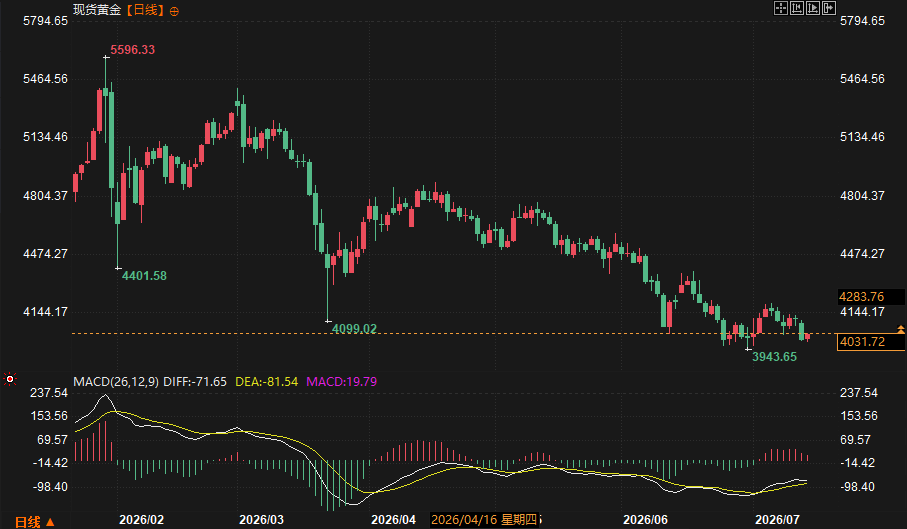
Geopolitical conflicts have historically been a boon to gold, but this time gold prices have retreated from their highs, driven by soaring real yields and a strong dollar. Safe-haven buying still occasionally emerges, but short-term buying power is clearly suppressed by interest rate-sensitive holding costs. The key variable for gold prices is: if the Middle East conflict escalates sharply, triggering a sell-off in risk assets, gold's safe-haven appeal could reignite; conversely, if data and testimony reinforce tightening expectations, gold will continue to be pressured by yields. Sentiment is currently at a sensitive equilibrium.Trend Outlook
In the short term, CPI data and Warsh's testimony will jointly shape the trading rhythm over the next 24 to 48 hours, inevitably leading to a sharp expansion in volatility across various assets. If inflation figures slow as expected and Warsh is not overly hawkish, the market may experience a brief period of easing tensions, but the strength of oil prices remains a sword of Damocles hanging over short sellers. From a long-term perspective, the persistence of the Middle East conflict has become the biggest variable in the inflation path. If tensions in the Strait of Hormuz remain high for an extended period, the rise in oil prices will delay the decline in global inflation, forcing the Federal Reserve to maintain its tightening stance. The period of strong US Treasury yields and the dollar may be prolonged, while gold will need to find a new equilibrium between real interest rate suppression and geopolitical impulses. At this stage, we must be wary of the risk of an asymmetric jump in oil prices caused by geopolitical "black swan" events.Frequently Asked Questions
Q: How will the situation in the Middle East affect the Fed's decision-making? A: Rising oil prices will directly push up inflation expectations and transportation costs, making the process of inflation falling more difficult. If tensions persist, the Fed may be more hesitant to cut interest rates in the short term, and interest rates may remain high for longer than the market expects. Q: Why did gold fall despite rising oil prices? A: The key lies in real interest rates and the US dollar. Oil prices push up inflation expectations, driving up US Treasury yields and increasing the opportunity cost of holding gold. At the same time, a stronger dollar also suppresses gold priced in US dollars. Safe-haven demand has not yet overshadowed these two forces. Q: What surprises might Warsh's testimony bring? A: He may more clearly express his determination to combat inflation or emphasize economic resilience, which would reinforce a hawkish signal; he may also acknowledge downward pressure on the economy, laying the groundwork for future easing. His statements regarding central bank independence and the relationship with the White House could also trigger market volatility. Q: Is there still room for US Treasury yields to rise? A: It depends on inflation data and the evolution of Middle East risks. If CPI remains high or geopolitical tensions continue to push up oil prices, yields are likely to rise further; conversely, weak data and a de-escalation could trigger a period of correction. Short-term volatility is possible in both directions. Q: What is the biggest tail risk at present? A: The rapid escalation of the conflict in the Strait of Hormuz could lead to a large-scale disruption of oil supply and an irrational surge in oil prices. This could simultaneously trigger inflation panic and global risk aversion, amplifying volatility in both the stock and bond markets.- Risk Warning and Disclaimer
- The market involves risk, and trading may not be suitable for all investors. This article is for reference only and does not constitute personal investment advice, nor does it take into account certain users’ specific investment objectives, financial situation, or other needs. Any investment decisions made based on this information are at your own risk.