Shipping in the Strait of Hormuz is recovering, but export bottlenecks remain.
2026-07-31 13:50:50
US-Iran negotiations continue to seek de-escalation, leading to a slight increase in vessel traffic in the Strait of Hormuz. This follows the breakdown of the memorandum of understanding between the two sides, which escalated into two weeks of mutual attacks. Following the attack on US forces in Jordan, the US resumed strikes against Iran, further deteriorating the security situation in the Gulf region. An attack on an LNG carrier also occurred at an Egyptian port. Shipping data shows some easing of congestion in shipping lanes, but multiple risks continue to suppress crude oil exports. Shipping activity levels vary across key Red Sea chokepoints, and global energy transport continues to face severe geopolitical challenges. 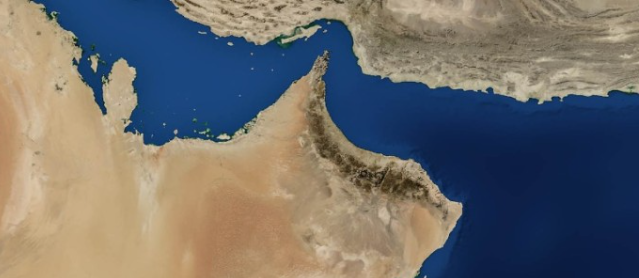
Traffic in the Strait of Hormuz has slightly improved, but the bottleneck in crude oil exports remains difficult to eradicate.
Data from shipping agency Kpler shows that a total of 14 commodity vessels transited the Strait of Hormuz in both directions on Wednesday (July 29), a significant improvement from the single-digit traffic volume last week. However, the brief four-day ceasefire by the US has not reversed the sluggish situation of Gulf crude oil exports. Regional crude oil loadings have fallen by more than half for the first time in six weeks, with backlogged tankers merely shifting between the Persian Gulf and the Gulf of Oman; the port congestion problem remains unresolved. Maritime security risks, high war insurance premiums, and Iranian maritime interception operations remain major obstacles. Ship-to-ship transshipment can only adjust inventory levels and cannot expand total exports. Compared to the constant stream of geopolitical news, real shipping data provides a more objective assessment of the fundamentals of energy supply. The shipping market has seen the latest chartering developments: Qatar's Al-Arish has departed the Persian Gulf, carrying the country's first shipment of liquefied natural gas in three weeks. A very large crude carrier (VLCC) has secured a tentative charter at a daily rate of nearly $500,000 to transport Gulf crude oil to a major Asian country. U.S. Energy Secretary Chris Wright stated that, with the support of the U.S. military, approximately 6.5 million barrels of crude oil per day have been transported through the Strait of Hormuz in the past week, helping to restore the global supply of crude oil and refined products in the region. Ship movements along the strait continue to change: a Norwegian-flagged product tanker is preparing to leave the strait; two Suezmax tankers linked to Iran are anchored near the Iranian port of Bandar Abbas; and a chartering company from a major Asian country has finalized a deal for the very large crude carrier "Jamaica Prosperity" to load crude oil in the Persian Gulf on August 3.The Red Sea shipping lanes are experiencing uneven temperature distribution, and the volume of traffic through the Bab el-Mandeb Strait has declined significantly.
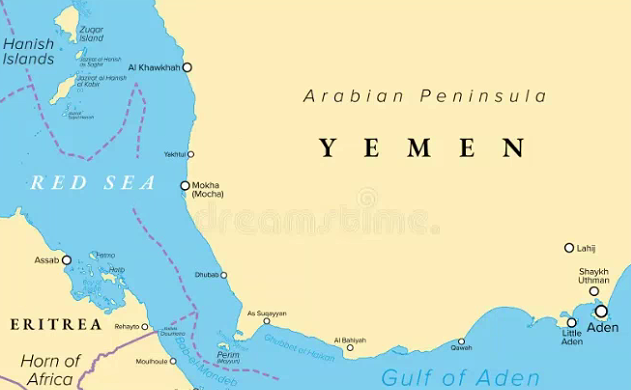
Shipping activity in the southern Red Sea's Bab el-Mandeb Strait declined, with only 21 cargo ships passing through in both directions on Wednesday, far fewer than the 38 the previous day. Currently, only Russian crude oil, totaling approximately 3.5 million barrels, is being transported through this channel, with some vessels choosing to turn off their positioning systems for covert navigation. Several large oil tankers have reportedly shut down their signals, leading many shipowners to replan their routes. Some vessels have finalized their August loading plans at Yanbu Port in Saudi Arabia, and may choose the Bab el-Mandeb Strait route to South Korea. Risk in the northern Red Sea has further escalated, with two LNG carriers attacked at the Egyptian port of Damieta on Wednesday evening, near the entrance to the Suez Canal. No party has yet claimed responsibility for the attack. Several very large crude carriers (VLCCs) originally bound for Asia have changed their destinations, heading instead to the Egyptian port of Sidi Kirill on the Mediterranean coast. Three other oil tankers that departed from Yanbu Port remain stationary outside the port, their final destination still unknown.Summarize
In summary, while there are signs of marginal improvement in shipping through the Strait of Hormuz, the long-term constraints imposed by geopolitical conflicts have not disappeared, making it difficult to quickly restore crude oil export capacity. Risks in the Red Sea continue to spread, with vessels frequently detouring, closing their navigation markers, and temporarily changing routes. The ongoing geopolitical tensions are driving up shipping costs and disrupting the global oil and gas transportation chain. Further developments in the geopolitical situation will continue to influence energy supply expectations and international oil price trends.- Risk Warning and Disclaimer
- The market involves risk, and trading may not be suitable for all investors. This article is for reference only and does not constitute personal investment advice, nor does it take into account certain users’ specific investment objectives, financial situation, or other needs. Any investment decisions made based on this information are at your own risk.