Saudi Aramco launches a maritime relay, sending 4 million barrels of crude oil to Asian ports.
2026-08-27 14:09:03
Saudi Arabia is not waiting for the Strait of Hormuz to reopen to normal traffic before delivering crude oil to Asia. It is establishing an alternative route around the strait, this time through the transfer of tankers. According to media reports, Saudi Aramco is supplying more crude oil for September loading to Asian buyers via ship-to-ship transfers outside the Strait of Hormuz. Previous shipping data showed that Saudi crude oil was transiting the strait using tankers with their tracking systems disabled.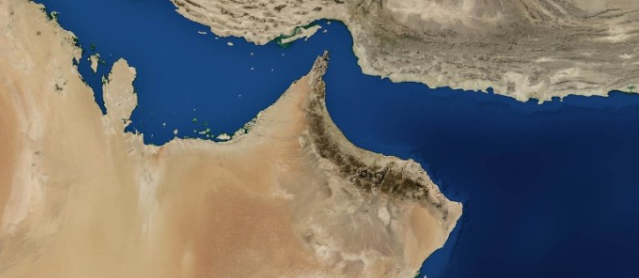
Sea relay: The most dangerous leg of the voyage, Aramco carried it all by itself.
The logic behind this model is quite straightforward: Saudi crude oil first traverses the most dangerous section of the Strait of Hormuz, then is transferred to another tanker off the coast of Fujairah in the UAE or Sohar in Oman. This way, buyers can receive their cargo in safe waters without having to send their own fleets into the Strait of Hormuz. With this arrangement, Aramco has sold Arab Medium and Arab Heavy crude oil to the market for the second consecutive week.4 million barrels heading to Asian ports
A major Asian nation is actively buying. According to shipping data from Vortexa and Kpler, two Very Large Crude Carriers (VLCCs), carrying a total of approximately 4 million barrels of Saudi crude oil, are en route to Saudi ports after receiving cargo via ship-to-ship transfer off the coast of Sohar. One is expected to arrive on September 15, and the other on September 12, with both shipments destined for Saudi petrochemical companies. The arrival of this relay shipment signifies a return to stable inflows of Saudi crude oil into the country's market.Saudi Arabia responds with a series of measures after two export corridors are damaged.
This strategy is the latest in a complex and evolving response by Saudi Arabia to maintain the flow of crude oil amid disruptions to both of its export corridors. Earlier this month, after a three-week suspension, Aramco resumed tanker loading operations at the ports of Ras Tanura and Juaymah; meanwhile, it is also shipping more crude oil westward via east-west pipelines and Egypt's Sidi Kerir terminal to serve its European customers, a route that also bypasses the Strait of Hormuz.The geographical dilemma: Asian buyers prefer relays
For Asian buyers, the westward route is geographically uneconomical, as it involves a long voyage and high costs. In contrast, the ship-to-ship transshipment arrangement effectively splits the entire voyage in two: Aramco handles the most dangerous section through the strait, then safely delivers the crude oil to the buyer outside the strait. Buyers avoid the risk of navigating the strait themselves, while Aramco controls the most challenging part.Conclusion
This certainly doesn't mean Gulf oil trade has returned to normal, but Saudi crude oil is indeed returning to major Asian countries. However, the risks associated with the Hormuz route are now Aramco's own problem. From westward pipelines to Europe to eastward maritime relays to Asia, Saudi Arabia is using an increasingly sophisticated logistics system to try and maintain its export footprint amidst the simultaneous disruption of two export corridors. For the global oil market, this means that despite the lack of easing tensions in Hormuz, the flow of Saudi crude oil may still be possible, albeit at a higher cost and with a more convoluted route.- Risk Warning and Disclaimer
- The market involves risk, and trading may not be suitable for all investors. This article is for reference only and does not constitute personal investment advice, nor does it take into account certain users’ specific investment objectives, financial situation, or other needs. Any investment decisions made based on this information are at your own risk.