The minutes of the Bank of Japan's July meeting showed that several members called for a faster rate hike, and the market expects another rate hike in October or December.
2026-09-28 13:26:15
The minutes of the Bank of Japan's July monetary policy meeting were released, revealing that several policymakers on the board believed the need to focus on the persistently rising inflation risk. Some members directly suggested accelerating the pace of interest rate hikes, further solidifying market expectations that the Bank of Japan will continue to raise rates. Looking back at this policy path, after raising rates in June, the Bank of Japan paused adjustments in July, only to act again this month, raising the policy rate to 1.25%, a 31-year high. The Middle East conflict, coupled with the continued weakening of the yen, has pushed up the cost of fuel and raw material imports, continuously injecting inflationary pressure into Japan. Currently, the Bank of Japan's policy rate remains low, and many members have pointed out that if they continue to wait, the risk of economic damage from rising inflation will increase significantly. The market is also beginning to predict that the Bank of Japan's future rate hike intervals will be shorter than in the previous two years.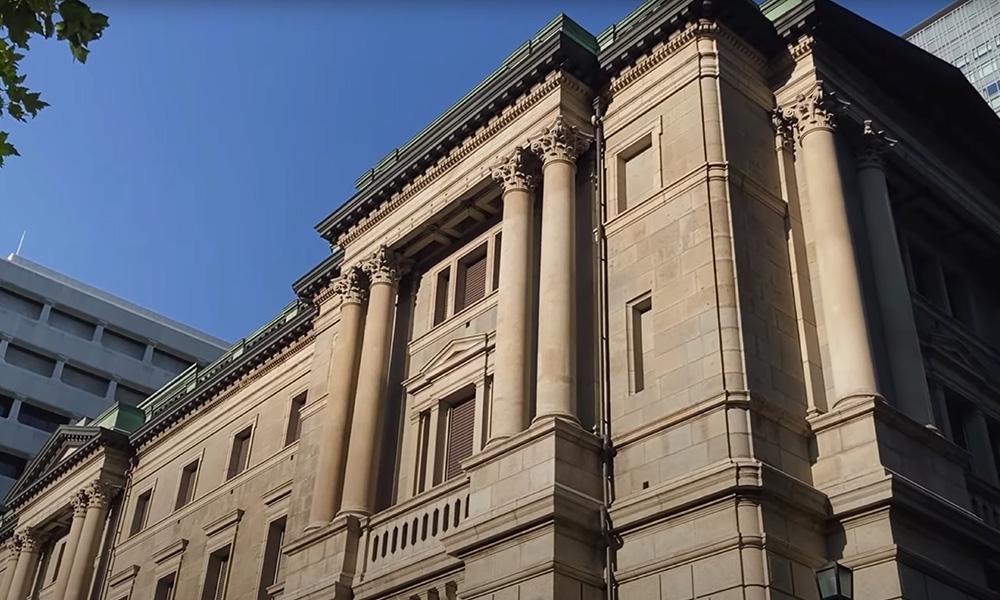 At its policy meeting on July 30-31, the Bank of Japan kept interest rates unchanged at 1%, but also warned that core inflation could potentially exceed the target level. Subsequent policy discussions will focus on the upside risks to prices. The minutes reflected growing concerns within the Board of Governors about inflation risks, with some members predicting that rising wholesale prices would further spread into broader, comprehensive inflation. Many members noted that long-term inflation expectations among households and businesses are rising, and the central bank needs to carefully observe whether these expectations can stabilize around the 2% target, thereby firmly locking core inflation within the target range.
Opinions are divided within the council, with several members advocating for a faster pace of interest rate hikes.
The minutes of the meeting released on Monday (September 28) show that a majority of the nine-member board members believe the Bank of Japan's policy focus is gradually shifting from pushing up prices to anchoring core inflation stably around the 2% target. Upside inflation risks have become a key factor to consider in policymaking. The minutes quote one board member as saying that the market had initially expected the Bank of Japan to raise interest rates approximately every six months. However, with core inflation now approaching 2%, upside risks have increased significantly, and the actual pace of rate hikes may be faster than the market originally anticipated . Another member stated that the Bank of Japan must be extremely vigilant about upside inflation risks and adjust policy rates flexibly and promptly . A third member suggested that the cost of continuing to wait is no longer a minor risk, and the central bank should accelerate the pace of rate hikes ; once the inflation risks materialize, the Japanese economy will suffer a severe shock. At its policy meeting on July 30-31, the Bank of Japan kept interest rates unchanged at 1%, but also warned that core inflation could potentially exceed the target level. Subsequent policy discussions will focus on the upside risks to prices. The minutes reflected growing concerns within the Board of Governors about inflation risks, with some members predicting that rising wholesale prices would further spread into broader, comprehensive inflation. Many members noted that long-term inflation expectations among households and businesses are rising, and the central bank needs to carefully observe whether these expectations can stabilize around the 2% target, thereby firmly locking core inflation within the target range.There is still a significant gap between the current rate and the neutral interest rate, and there is still room for policy normalization.
The Bank of Japan (BOJ) has already raised interest rates twice, in June and September. Many analysts predict that the intervals between rate hikes will likely shorten further compared to the twice-a-year pace seen in 2024 and 2025. Compared to other major central banks globally, the BOJ faces stronger pressure to raise rates, as its current policy rate remains near the lower end of the estimated range of 1.1% to 2.5% for Japan's nominal neutral interest rate. The neutral interest rate is the level of interest rate that neither inhibits economic growth nor causes overheating. The minutes quoted a committee member as saying that even if the exact value of the neutral interest rate cannot be precisely calculated, the current policy rate is still below the lower end of the estimated range , and the BOJ must continue to raise the policy rate to lay the foundation for the normalization of monetary policy and ensure flexible policy adjustments in the future. Data released on Monday also confirmed that inflationary pressures are rising, with the core inflation indicator for Japan's services sector in August showing its highest year-on-year increase in more than two years. The market widely expects the BOJ to raise its inflation forecast in its quarterly report released at its next policy meeting on October 29-30. Many analysts predict that the central bank may implement another rate hike as early as October or December.Market reaction: Japanese bond yields surge to near 30-year highs
Driven by expectations of continued interest rate hikes, the yield on 10-year Japanese government bonds rose to 3.115% last Friday, the first time this level has been reached since August 1996. The sharp rise in Japanese bond yields reflects that the capital market has begun pricing in expectations of continued tightening monetary policy from the Bank of Japan. However, it is worth noting that even if the Bank of Japan begins its interest rate hike cycle, the yen's interest rate differential will remain compared to the interest rates of the Federal Reserve and the European Central Bank, which is a core constraint preventing a rapid appreciation of the yen.Conclusion
The Bank of Japan's July meeting minutes revealed a crucial policy shift, with a growing number of board members supporting faster interest rate hikes, and inflation risk becoming a primary policy consideration. Continued rises in service sector inflation data, coupled with import cost pressures from the yen's depreciation, suggest the Bank of Japan's policy normalization process may accelerate, with the market anticipating a new round of rate hikes in October or December. The sharp rise in the yield on 10-year Japanese government bonds is a direct reflection of the capital market's expectations of further rate hikes. Investors need to take a balanced view: the Bank of Japan's pace of rate hikes remains slow, the significant interest rate differential between the US and Japan will not close quickly, and for the yen to completely reverse its weakness, more sustained tightening policies are needed. The Bank of Japan's inflation forecast and interest rate decision at its October meeting will be the core events influencing the yen's exchange rate and the performance of Japanese government bonds.- Risk Warning and Disclaimer
- The market involves risk, and trading may not be suitable for all investors. This article is for reference only and does not constitute personal investment advice, nor does it take into account certain users’ specific investment objectives, financial situation, or other needs. Any investment decisions made based on this information are at your own risk.