Japan's top currency diplomat has made a strong statement, indicating that foreign exchange intervention could be implemented at any time.
2026-09-29 10:20:17
Japan's top currency diplomat, Atsushi Mimura, stated on Monday (September 28) that the market should take seriously the "very clear" policy signals conveyed by the US and Japan regarding the yen last Sunday, demonstrating the government's firm stance on addressing excessive yen depreciation. Last Friday, Japanese Finance Minister Satsuki Katayama disclosed that US President Trump expressed concern about the yen's weakness during his summit meeting with Japanese Prime Minister Sanae Takaichi. This was a relatively detailed communication between the two leaders regarding exchange rate issues. The renewed confirmation by both Japan and the US that the yen's undervaluation is a risk that needs attention triggered a sharp market reaction. Following Mimura's remarks, the yen strengthened rapidly, with the USD/JPY pair breaking below the 157 level and falling back to around 156.75.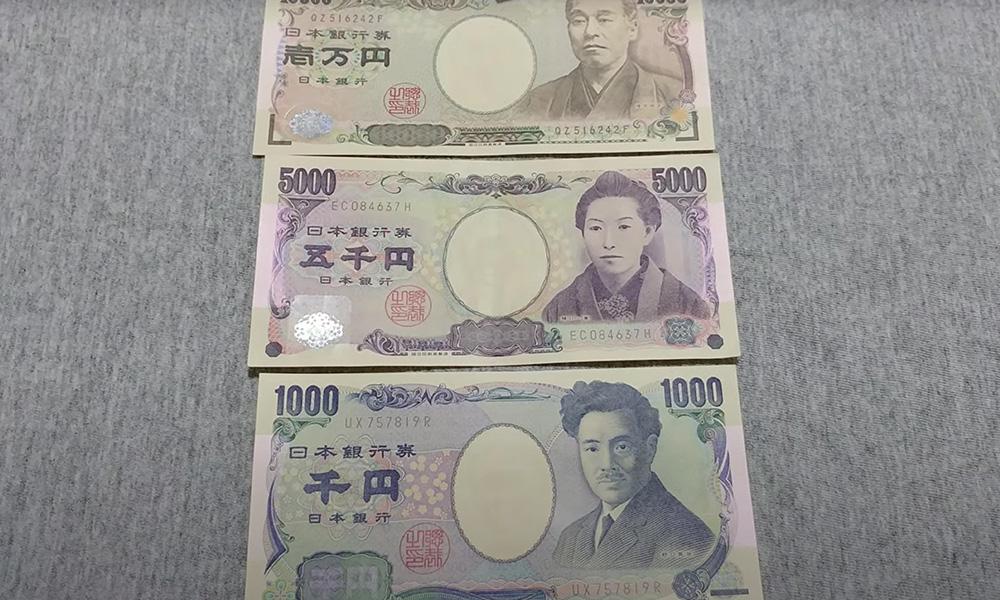 In response to concerns raised by some traders that restrictions on foreign exchange reserves might prevent Japan from intervening again, Jun Mimura directly denied this speculation, saying, "I have absolutely no such concerns." When pressed on whether Japan was prepared to intervene alone or in conjunction with the United States to buy yen, he stated that he would not comment on the possible methods the authorities might take.
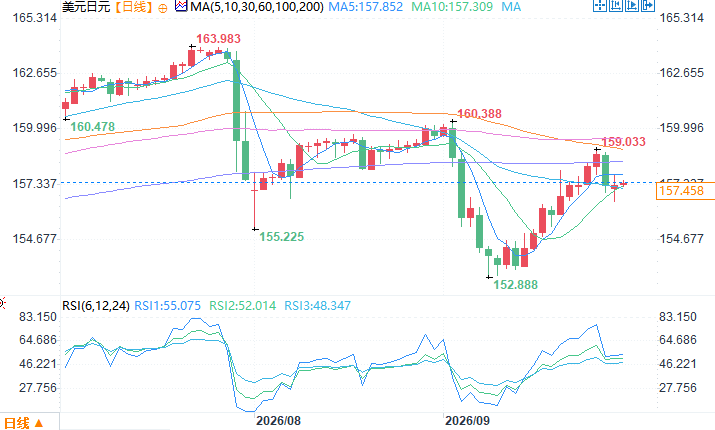 USD/JPY Daily Chart Source: FX678. At 10:17 AM Beijing Time on September 29, the USD/JPY exchange rate was 157.43/44.
Top officials have signaled a hardline stance on the exchange rate, indicating that there are no constraints on intervention in capital reserves.
When discussing the recent depreciation of the yen, Jun Mimura stated that the Japanese Prime Minister, the Finance Minister, and the United States have conveyed a very clear message, and the market should take this signal seriously. He also indicated that he will continue to observe whether the market truly understands the meaning behind this policy statement. When asked whether Japan would intervene again to support the yen, Mimura did not directly address the specific possibility of intervention, but he admitted that he was neither satisfied nor reassured by the recent price movement of the yen, indicating that the Japanese Ministry of Finance remains vigilant and prepared for a potential rapid decline in the yen. Last Friday, Satsuki Katayama held a telephone conversation with US Treasury Secretary Scott Bessent, and both sides reiterated that the undervaluation of the yen is a matter of concern, demonstrating the determination of Japan and the United States to jointly address the yen's depreciation. In response to concerns raised by some traders that restrictions on foreign exchange reserves might prevent Japan from intervening again, Jun Mimura directly denied this speculation, saying, "I have absolutely no such concerns." When pressed on whether Japan was prepared to intervene alone or in conjunction with the United States to buy yen, he stated that he would not comment on the possible methods the authorities might take.The depreciation of the yen has pushed up import inflation, and the interest rate differential between the US and Japan remains the core issue.
The continued weakening of the yen has become a major concern for Japanese policymakers. The Middle East conflict has pushed up fuel prices, and the weak yen further increases the cost of imported goods such as fuel and raw materials, leading to continued imported inflationary pressures. Due to concerns about the inflationary impact of the yen's depreciation, the Bank of Japan raised interest rates again this month, bringing the policy rate to a 31-year high of 1.25%, following its June rate hike. However, the Bank of Japan's rate hikes and its commitment to continue raising rates have not reversed the yen's weakness. The Federal Reserve's rate hikes, coupled with hawkish policy communication, have led the market to believe that the large interest rate gap between the US and Japan will not narrow quickly. Jun Mimura, analyzing the monetary policy cycles of the two countries, stated that the Bank of Japan has been on a rate hike cycle since last year, while the Federal Reserve only began its rate hike cycle in September. He said, "Looking at the trend, the gap between Japan and the US policy interest rates is gradually narrowing, and we will continue to pay attention to these changes when observing market conditions." On July 31, Japan and the US implemented a rare joint foreign exchange intervention to prevent the yen from falling to a near 40-year low and to avoid a currency crash that would disrupt the financial markets. At the time, Jun Mimura described this action as a result of the two countries' "currency alliance." He explained that the term "currency alliance" was intended to illustrate that the close bilateral relationship between Japan and the US is not limited to the exchange rate level, but also covers multiple areas such as economic security, key minerals, and global supply chains. He said, "Besides the exchange rate, Japan and the US maintain a very good bilateral relationship, and it is this close connection that facilitated this joint intervention."Responding to the controversy surrounding its fiscal policy, Japan denied overseas criticism of its loose fiscal policy.
Some analysts interpreted U.S. Treasury Secretary Bessenter's statement last month that Japan should "enjoy the fruits of Abenomics" was actually a criticism of the Takaichi Sanae government's large-scale spending plans. The market also perceived a reflationary effect from Japan's expansionary fiscal policy, triggering a sell-off of the yen and Japanese government bonds. Jun Mimura refuted this view, stating that he had never received criticism from the G7, G20, or other overseas counterparts, and that there was no external accusation of excessive expansion in Japanese fiscal policy. This statement dispelled some market speculation that Japanese fiscal policy would continue to suppress the yen.Conclusion
In summary, Jun Mimura's verbal warning was a coordinated effort by Japan and the US to send a deterrent signal regarding the yen's exchange rate, conveying a firm stance against a disorderly and volatile depreciation. The market reacted immediately, with the yen experiencing a short-term rebound. Although the Bank of Japan continues to raise interest rates, and the US-Japan interest rate differential is slowly narrowing, the absolute value of the differential remains high, and the underlying logic of medium- to long-term pressure on the yen has not completely disappeared. Japan and the US retain the option of joint intervention, and there are no funding constraints. If the yen experiences another rapid depreciation, the authorities could intervene at any time. Investors need to continuously monitor the interest rate statements of the central banks of the US and Japan, as well as the volatility of the yen exchange rate, to determine whether a new round of foreign exchange intervention will be triggered. USD/JPY Daily Chart Source: FX678. At 10:17 AM Beijing Time on September 29, the USD/JPY exchange rate was 157.43/44.
- Risk Warning and Disclaimer
- The market involves risk, and trading may not be suitable for all investors. This article is for reference only and does not constitute personal investment advice, nor does it take into account certain users’ specific investment objectives, financial situation, or other needs. Any investment decisions made based on this information are at your own risk.