US import and export prices in September: Price pressures on both sides of the trade account.
2026-10-17 00:52:19
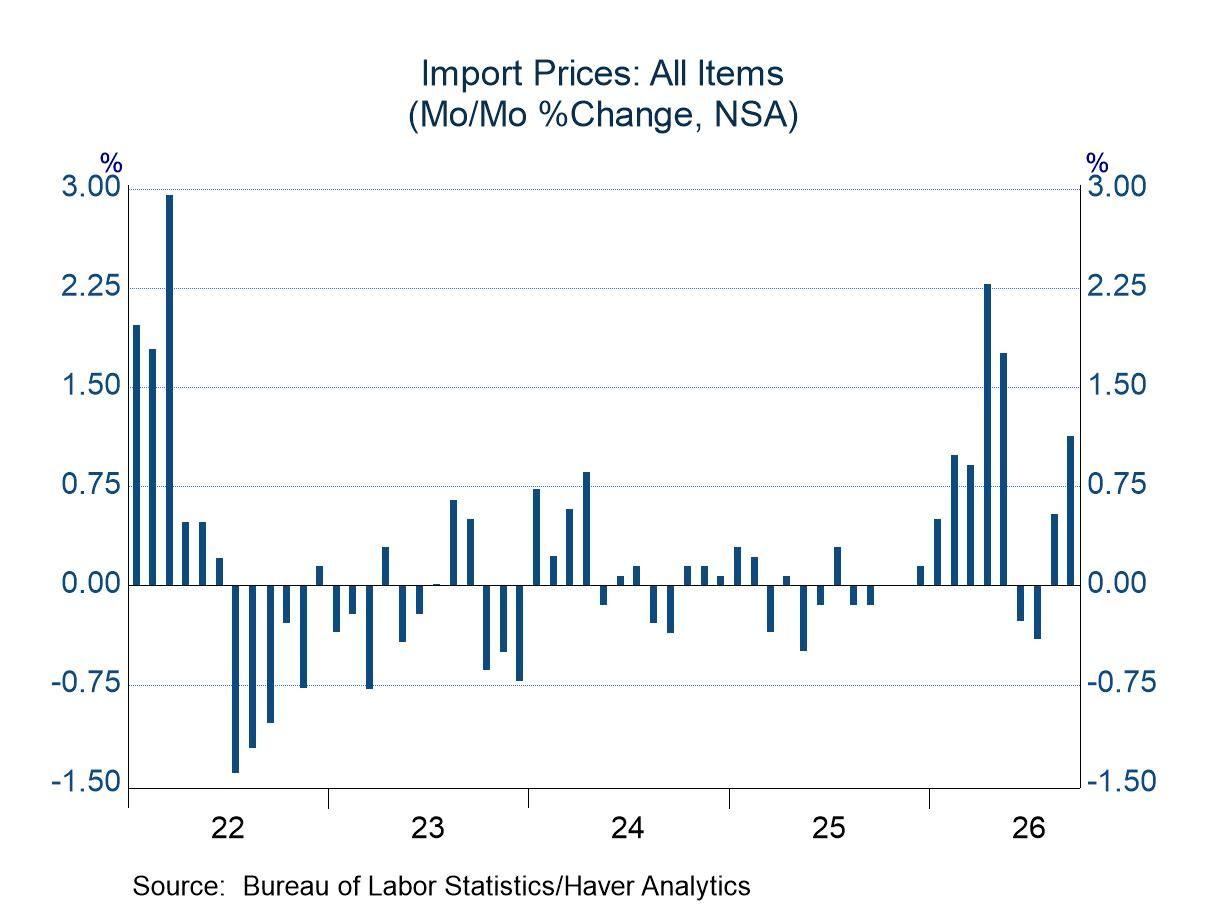
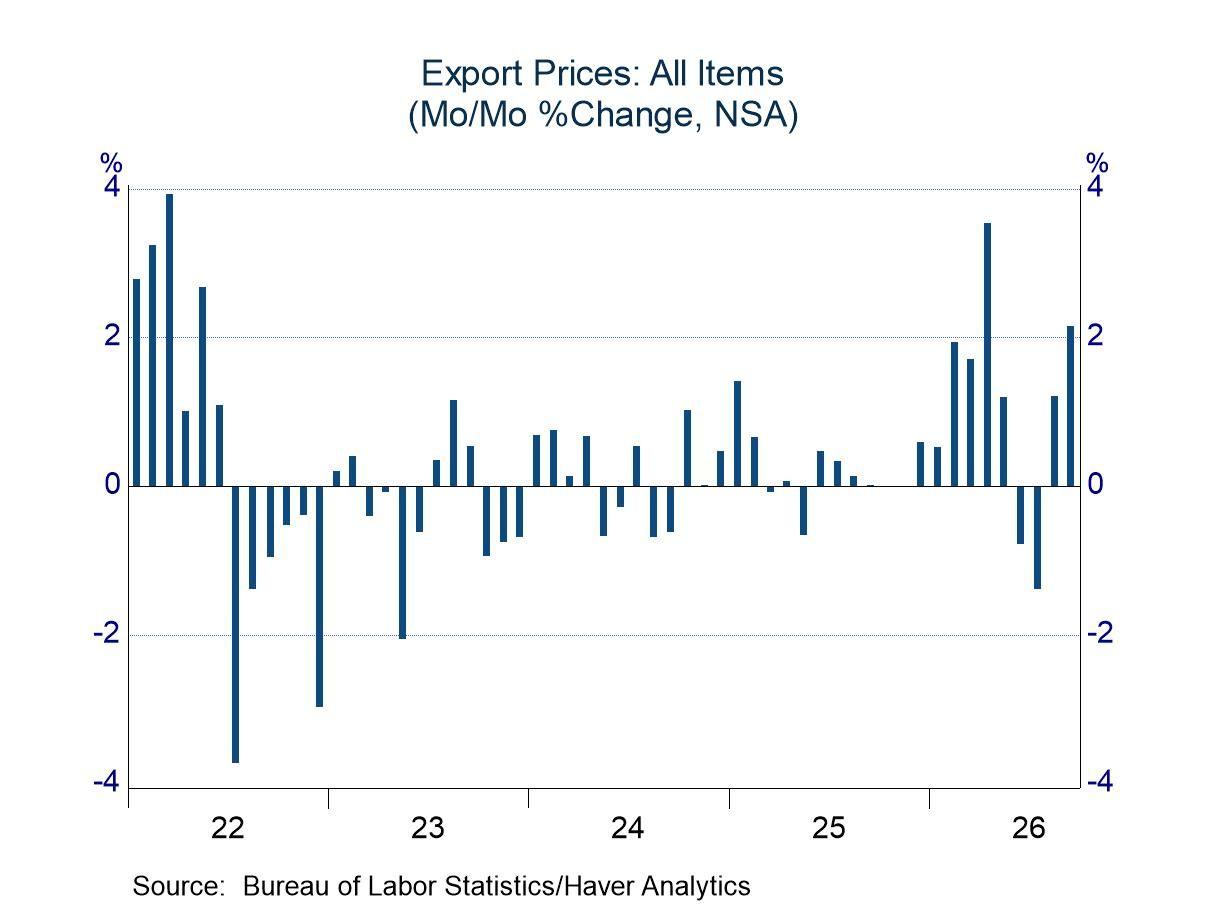
In September, both the U.S. Consumer Price Index (CPI) and Producer Price Index (PPI) saw worrying increases, with import and export prices rising accordingly. Import prices surged 1.1% month-over-month in September, far exceeding market expectations of 0.6%; export prices soared 2.2% month-over-month, significantly exceeding market expectations of 0.7% (expected data from the Action Economics survey). Following this monthly change, import prices rose 8.1% year-over-year, and export prices rose 11.6% year-over-year. 
 On the import side, industrial goods performed particularly well, rising 2.7% month-on-month and 20.4% cumulatively over 12 months. This monthly increase was primarily driven by oil prices, which jumped 4.6% month-on-month. Prior to this, oil product prices had experienced three months of stability, and current levels remain below the May peak. Driven by strong domestic corporate investment demand in the US, imported capital goods have seen significant monthly increases this year, ranging from 0.4% to 1.3%; in September, imported capital goods prices rose 0.9%, with a year-on-year increase of 8.4%. Prices of imported motor vehicles and non-automobile consumer goods remained stable for most of last year and the first half of this year, but both categories have seen significant price increases in recent months. Motor vehicle import prices rose 0.6% in July, maintained the same increase in August, and rose again by 0.3% in September; their year-on-year growth rate has rebounded from -0.4% in June to 1.1% in September. In 2025, the cumulative price of imported consumer goods fell by 0.5% over 12 months; however, prices rose in 6 out of 9 months this year, with the year-on-year increase in imported consumer goods reaching 2.7% in September. Some observers are attempting to find clues in this report about the impact of tariffs on import prices. However, the price data in this report are invoice prices before tariffs were imposed. If foreign companies absorb the tariff costs themselves to maintain competitiveness in the US market, it will be reflected in lower (pre-tax) prices or a narrower rate of increase; relying on existing data, it is difficult to isolate and identify this part of the impact of tariffs.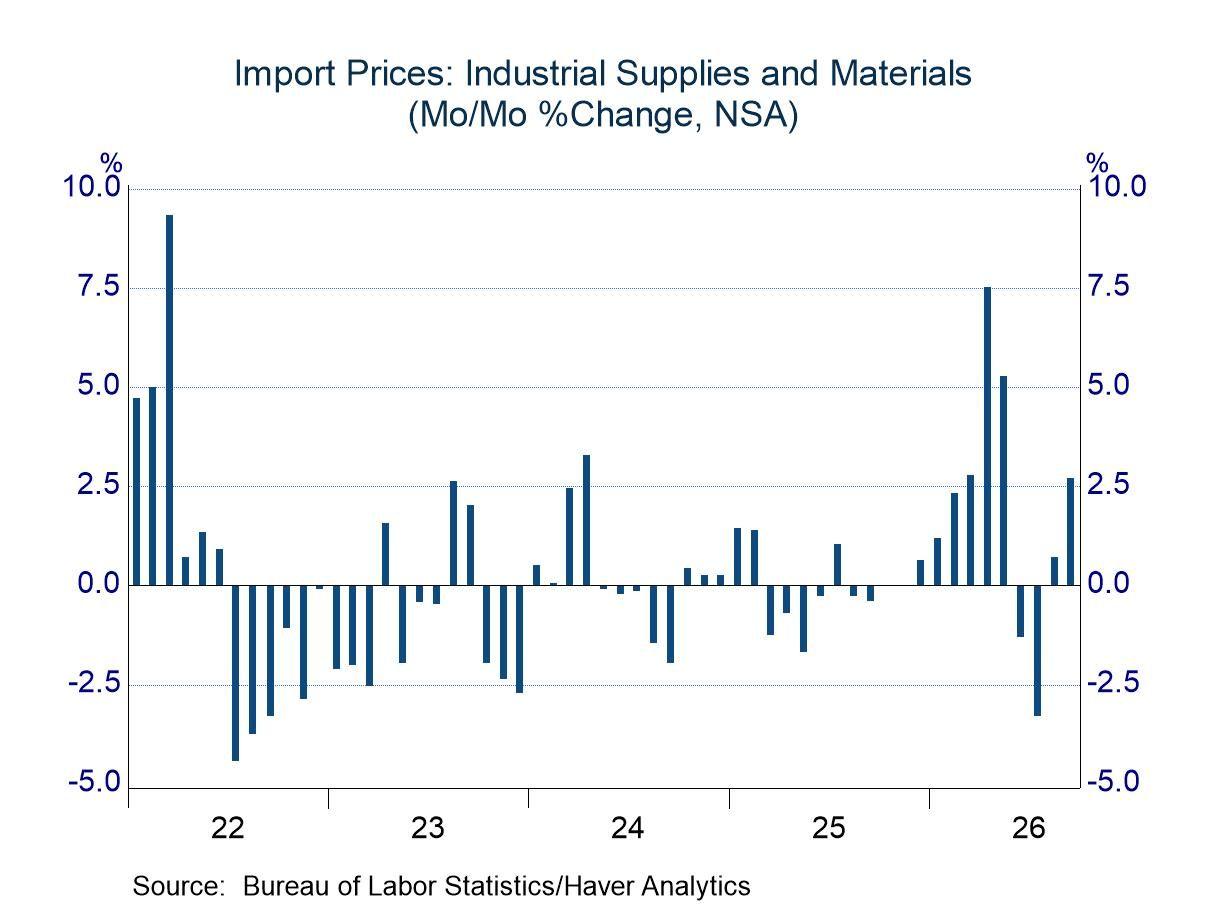
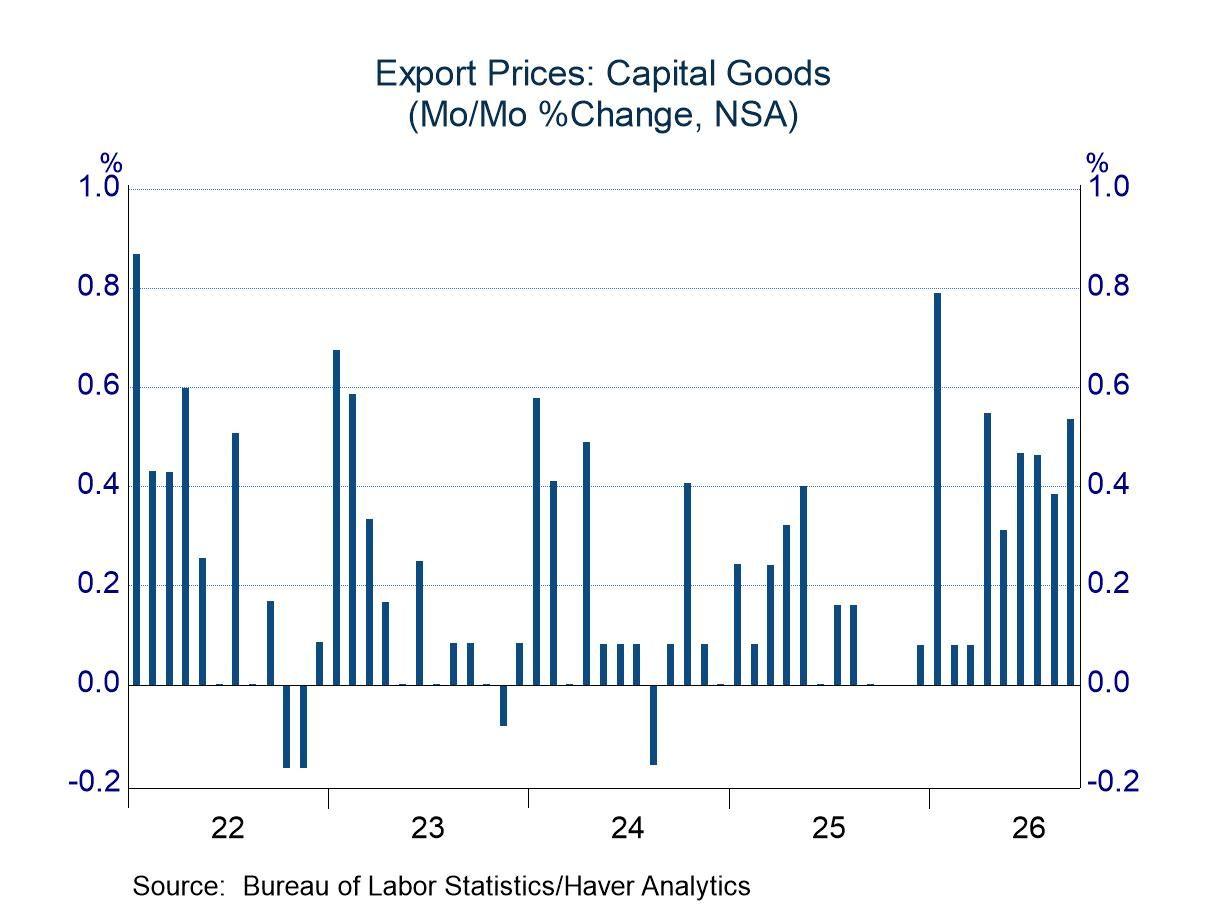 On the export side, overall export prices rose 2.2% month-on-month, mainly driven by industrial materials: this category rose 4.0% month-on-month and 23.3% year-on-year, with the price increase undoubtedly driven by petroleum products. Capital goods export prices also rose significantly, up 0.5% month-on-month and 4.2% year-on-year, but the upward pressure was weaker than on imported capital goods. Food export prices experienced unexpected fluctuations: in the first eight months of this year, the average monthly increase in food exports was 0.6%, but in September, food export prices jumped sharply by 2.7%, with a year-on-year increase of 9.0%. Similar to the import side, export prices of motor vehicles and non-automotive consumer goods have also begun to rise recently. From the end of 2025 to the first six months of this year, motor vehicle export prices fluctuated relatively little; however, in the past three months, the average monthly increase in motor vehicle export prices was 0.5%. After four months of stability, non-automotive consumer goods export prices surged 1.1% month-on-month in September, with a year-on-year increase of 4.0%. Note: The above import and export price series are not seasonally adjusted.
On the import side, industrial goods performed particularly well, rising 2.7% month-on-month and 20.4% cumulatively over 12 months. This monthly increase was primarily driven by oil prices, which jumped 4.6% month-on-month. Prior to this, oil product prices had experienced three months of stability, and current levels remain below the May peak. Driven by strong domestic corporate investment demand in the US, imported capital goods have seen significant monthly increases this year, ranging from 0.4% to 1.3%; in September, imported capital goods prices rose 0.9%, with a year-on-year increase of 8.4%. Prices of imported motor vehicles and non-automobile consumer goods remained stable for most of last year and the first half of this year, but both categories have seen significant price increases in recent months. Motor vehicle import prices rose 0.6% in July, maintained the same increase in August, and rose again by 0.3% in September; their year-on-year growth rate has rebounded from -0.4% in June to 1.1% in September. In 2025, the cumulative price of imported consumer goods fell by 0.5% over 12 months; however, prices rose in 6 out of 9 months this year, with the year-on-year increase in imported consumer goods reaching 2.7% in September. Some observers are attempting to find clues in this report about the impact of tariffs on import prices. However, the price data in this report are invoice prices before tariffs were imposed. If foreign companies absorb the tariff costs themselves to maintain competitiveness in the US market, it will be reflected in lower (pre-tax) prices or a narrower rate of increase; relying on existing data, it is difficult to isolate and identify this part of the impact of tariffs. On the export side, overall export prices rose 2.2% month-on-month, mainly driven by industrial materials: this category rose 4.0% month-on-month and 23.3% year-on-year, with the price increase undoubtedly driven by petroleum products. Capital goods export prices also rose significantly, up 0.5% month-on-month and 4.2% year-on-year, but the upward pressure was weaker than on imported capital goods. Food export prices experienced unexpected fluctuations: in the first eight months of this year, the average monthly increase in food exports was 0.6%, but in September, food export prices jumped sharply by 2.7%, with a year-on-year increase of 9.0%. Similar to the import side, export prices of motor vehicles and non-automotive consumer goods have also begun to rise recently. From the end of 2025 to the first six months of this year, motor vehicle export prices fluctuated relatively little; however, in the past three months, the average monthly increase in motor vehicle export prices was 0.5%. After four months of stability, non-automotive consumer goods export prices surged 1.1% month-on-month in September, with a year-on-year increase of 4.0%. Note: The above import and export price series are not seasonally adjusted.
- Risk Warning and Disclaimer
- The market involves risk, and trading may not be suitable for all investors. This article is for reference only and does not constitute personal investment advice, nor does it take into account certain users’ specific investment objectives, financial situation, or other needs. Any investment decisions made based on this information are at your own risk.