The Bank of Japan may raise its inflation forecast for the next fiscal year, and the window for a December rate hike remains open.
2026-10-20 14:58:20
According to four sources familiar with the Bank of Japan's policy thinking, the Bank of Japan may raise its inflation forecast for the next fiscal year in its economic projections to be released this month, due to the longer-than-expected price pressures from oil prices. The Bank of Japan just raised interest rates last month, and the market is focused on its policy meeting at the end of October. This meeting is likely to keep interest rates unchanged, but with inflation risks continuing to accumulate, there is still a possibility of another rate hike in December.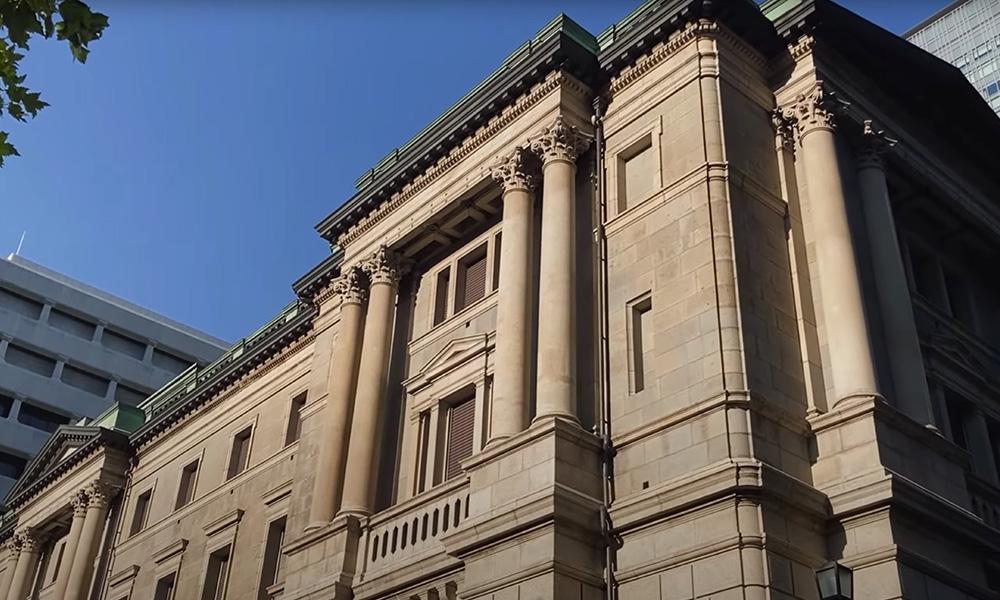
Inflation expectations have been slightly adjusted, so there is no need to rush into raising interest rates.
Sources indicate that unless the yen depreciates significantly again, pushing up import costs and driving overall inflation upward, the Bank of Japan (BOJ) is highly likely to maintain current interest rates at its two-day policy meeting, which concludes on October 30. In its quarterly report following the meeting, the BOJ will again emphasize the risks of rising inflation, reserving room for another rate hike as early as December. One source stated, "The high level of core CPI growth may last longer than expected, but the underlying inflation pattern has not changed significantly." Two other sources agreed with this assessment. Another source, regarding the timing of the next rate hike, said, "Inflationary pressures do exist, but there hasn't been a sudden surge, so there's no reason to hastily tighten monetary policy." These sources chose to remain anonymous due to a lack of authorization to speak publicly, and the BOJ has not yet responded to this information. The BOJ's July forecast projected core consumer inflation at 2.5% in the fiscal year ending March 2027, falling to 2.4% in the next fiscal year. That forecast assumed the transmission effect of the initial fuel price increase would gradually ease starting in the second half of the following year. Sources say the Policy Committee may slightly raise its core inflation forecast for fiscal year 2027 in its updated forecast report this month to reflect the price transmission effect of the recent resurgence in oil prices. However, the adjustment will be limited, and there are currently no signs that the energy shock will trigger a second round of hyperinflation, with wages and prices rising in tandem; such risks have not yet taken root in the economic system.Economic Outlook and Tax System Considerations
Regarding economic growth, the policy committee is likely to maintain its existing assessment, projecting economic growth of 0.6% in fiscal year 2026 and 0.8% in fiscal year 2027. Strong exports of AI-related goods will offset the drag from weak domestic consumption. Sources also mentioned that a two-year food excise tax relief bill, effective from next April, has not yet passed parliamentary review; therefore, the new forecast will not incorporate the expected impact of this policy.The financial environment remains the core anchor of policy.
Last month, the Bank of Japan raised its benchmark interest rate to 1.25%, a 31-year high, signaling a shift in policy focus towards preventing underlying inflation from exceeding the target and indicating room for further tightening. Bank of Japan Governor Kazuo Ueda warned that factors such as the Middle East situation, a weaker yen, and strong demand for AI could push underlying inflation, excluding one-off temporary factors, above the 2% target. Sources indicate that current underlying inflation is nearing 2%, and the central bank will emphasize its policy objective of anchoring inflation to the target range in its latest report, signaling a steady pace of interest rate hikes while maintaining its assessment that financial conditions remain loose. This also implies that there is still room for further interest rate increases. However, recent economic data suggests that the inflation risk has not yet reached a level requiring continuous interest rate hikes. Analysts believe that although wages will continue to rise next year, government fuel subsidies have suppressed this year's consumer price increases. This fuel subsidy is the benchmark for wage negotiations between unions and companies, making a significant wage jump unlikely. A Tankan survey released by the Bank of Japan on October 1 showed that while corporate inflation expectations remained high, they did not accelerate further compared to three months ago, somewhat easing the pressure on the central bank to raise interest rates again in October following the September rate hike. Many market analysts predict that the Bank of Japan will raise interest rates twice more before June next year, bringing the rate to 1.75%, with market expectations for the final rate concentrated in the range of 1.75% to 2%.Conclusion
Overall, the Bank of Japan's inflation forecast is expected to be revised upwards only slightly this time, and it is unlikely to raise interest rates consecutively in the short term. Inflationary disturbances from oil prices, the yen's exchange rate, and the outcome of wage negotiations will jointly determine whether a new round of interest rate hikes will begin in December. The central bank's subsequent policy moves warrant continued monitoring.- Risk Warning and Disclaimer
- The market involves risk, and trading may not be suitable for all investors. This article is for reference only and does not constitute personal investment advice, nor does it take into account certain users’ specific investment objectives, financial situation, or other needs. Any investment decisions made based on this information are at your own risk.