A Wall Street giant's century-long prediction: 2026, the twilight of the dollar's hegemony?
2025-12-15 14:00:05
Major Wall Street institutions are generally bearish on the dollar's performance in 2026. The core logic is the divergence in global monetary policy: the Federal Reserve will continue to cut interest rates due to the economic slowdown, while the European Central Bank and the Bank of Japan may hold rates steady or even raise them. This will weaken the dollar's interest rate advantage and drive capital outflows.
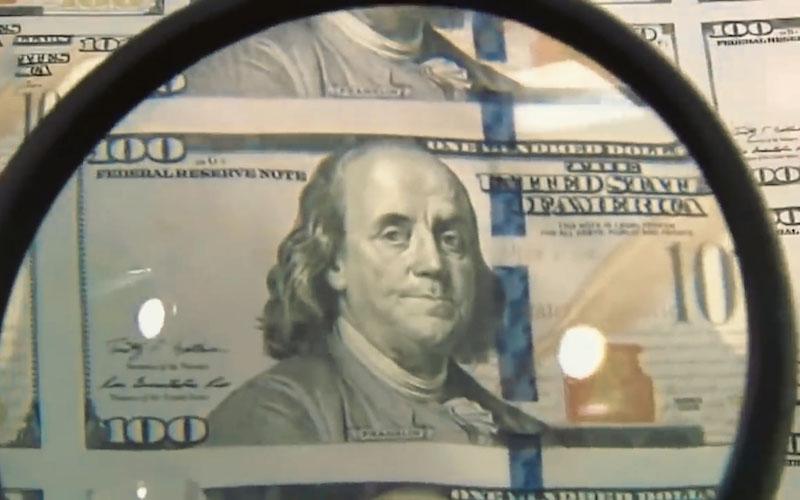
As the Federal Reserve continues its policy shift—having already cut interest rates three times in 2025 and potentially two more in 2026—warnings from major Wall Street institutions about the future trajectory of the US dollar are growing stronger. Investment giants such as Deutsche Bank, Goldman Sachs, Morgan Stanley, and JPMorgan Chase unanimously believe that the dollar's exchange rate against major currencies such as the euro, pound sterling, and yen is likely to weaken in the coming year.
The underlying logic lies in the divergence in monetary policy. While the Federal Reserve eased policy due to slowing job growth and persistent inflation, other central banks, such as the European Central Bank and the Bank of Japan, maintained interest rates or even considered raising them. This policy divergence prompted capital to flow from the United States to other higher-yielding assets, thus putting downward pressure on the value of the dollar.
Morgan Stanley has made a particularly pessimistic forecast: the dollar could fall by as much as 5% by the first half of 2026. Luis Organes, head of global macro research at JPMorgan Chase, expressed similar concerns, noting that the structural outlook for the dollar appears increasingly unfavorable. This is not only a result of Federal Reserve policy but also due to global capital dynamics and investor positioning adjustments.
The effects of a weaker dollar are multifaceted. On the one hand, U.S. exports are expected to benefit as dollar-denominated goods become cheaper for international buyers, supporting the Trump administration's ongoing efforts to reduce the trade deficit. However, a weaker dollar can also increase import costs, potentially leading to a rebound in consumer inflation—a dynamic the Federal Reserve is trying to control.
For American multinational corporations, a weaker dollar can bring unexpected profits. Overseas revenue converted into dollars yields higher profit margins, thus boosting corporate earnings. This creates a ripple effect: the weaker the dollar, the greater the increase in profits for companies with global operations.
Emerging markets are poised to benefit more. The depreciation of the US dollar has fueled the rise of "carry trades"—investors borrowing low-yielding currencies like the US dollar and investing in higher-yielding emerging market currencies. Analysts at JPMorgan Chase and Bank of America point out that currencies such as the Brazilian real, the South Korean won, and the Chinese yuan are expected to strengthen as capital flows back to these markets.
The resurgence of arbitrage trading is closely linked to declining US interest rates and changes in global interest rate differentials. This strategy becomes more attractive when dollar borrowing costs are lower and yields are higher in other markets—especially after a decade of dormancy following the Federal Reserve's aggressive tightening policies from 2016 to 2022.
Goldman Sachs points out that G10 currencies, such as the Canadian dollar and the Australian dollar, are increasingly favored by investors, thanks to better-than-expected economic data. The firm believes that the global macroeconomic backdrop is shifting in favor of non-dollar assets as economies outside the United States begin to accelerate again.
Goldman Sachs' view reveals a link between global growth divergence and a weaker dollar: the dollar has historically underperformed other currencies when the rest of the world accelerates growth while the U.S. economy slows.
Not all analysts agree with the bearish consensus. Citigroup and Standard Chartered believe that the US economy has shown greater resilience than expected—partly due to massive investments in artificial intelligence and automation—which may defy market pessimism. They believe that capital inflows from the expansion of AI and the strong performance of US stocks may offset the structural pressures facing the dollar.
This view reflects a different causal mechanism: technological innovation and stock market momentum can maintain investor confidence and capital inflows, thus providing support for the dollar even in a rate-cutting environment.
Furthermore, while leaving room for further interest rate cuts, the Federal Reserve has raised its 2026 GDP growth forecast. This reinforces Citigroup's prediction that the dollar may rebound in mid-2026, especially if inflation remains sticky and the labor market does not experience a sharp decline.
George Saravilos and Tim Baker of Deutsche Bank warned that the dollar may be overvalued. In a report in late November, they noted that the dollar had benefited from the “better-than-expected resilience” of the U.S. economy and a surge in stocks, but also warned that valuation pressures and capital reallocation could soon reverse this strength.
If this prediction comes true, it will signify the end of the dollar's extraordinary bull market cycle that has lasted for a decade. The underlying causal relationship is obvious: once the interest rate advantage, growth divergence, and stock market strength fade or reverse, investors' interest in holding dollar-denominated assets will also diminish.
The outlook for the US dollar in 2026 is increasingly uncertain, caught in a tug-of-war between the attraction of monetary easing and the buoyancy of growth driven by artificial intelligence.
While several major banks have warned that capital outflows and global interest rate divergence will lead to a weaker dollar, other institutions are betting that the US innovation engine will continue to attract investment.
As the Federal Reserve prepares its next move, the direction of the dollar will become a barometer for the restructuring of the broader global economic landscape, and may also mark the end of an era of monetary dominance.

(US Dollar Index Daily Chart, Source: FX678)
At 13:59 Beijing time, the US dollar index is currently at 98.35.
The Fed's policy shift exacerbates bearish expectations for the dollar.
As the Federal Reserve continues its policy shift—having already cut interest rates three times in 2025 and potentially two more in 2026—warnings from major Wall Street institutions about the future trajectory of the US dollar are growing stronger. Investment giants such as Deutsche Bank, Goldman Sachs, Morgan Stanley, and JPMorgan Chase unanimously believe that the dollar's exchange rate against major currencies such as the euro, pound sterling, and yen is likely to weaken in the coming year.
The underlying logic lies in the divergence in monetary policy. While the Federal Reserve eased policy due to slowing job growth and persistent inflation, other central banks, such as the European Central Bank and the Bank of Japan, maintained interest rates or even considered raising them. This policy divergence prompted capital to flow from the United States to other higher-yielding assets, thus putting downward pressure on the value of the dollar.
Morgan Stanley predicts the US dollar will fall by 5% by mid-2026.
Morgan Stanley has made a particularly pessimistic forecast: the dollar could fall by as much as 5% by the first half of 2026. Luis Organes, head of global macro research at JPMorgan Chase, expressed similar concerns, noting that the structural outlook for the dollar appears increasingly unfavorable. This is not only a result of Federal Reserve policy but also due to global capital dynamics and investor positioning adjustments.
The effects of a weaker dollar are multifaceted. On the one hand, U.S. exports are expected to benefit as dollar-denominated goods become cheaper for international buyers, supporting the Trump administration's ongoing efforts to reduce the trade deficit. However, a weaker dollar can also increase import costs, potentially leading to a rebound in consumer inflation—a dynamic the Federal Reserve is trying to control.
For American multinational corporations, a weaker dollar can bring unexpected profits. Overseas revenue converted into dollars yields higher profit margins, thus boosting corporate earnings. This creates a ripple effect: the weaker the dollar, the greater the increase in profits for companies with global operations.
Emerging markets and arbitrage trading recovery
Emerging markets are poised to benefit more. The depreciation of the US dollar has fueled the rise of "carry trades"—investors borrowing low-yielding currencies like the US dollar and investing in higher-yielding emerging market currencies. Analysts at JPMorgan Chase and Bank of America point out that currencies such as the Brazilian real, the South Korean won, and the Chinese yuan are expected to strengthen as capital flows back to these markets.
The resurgence of arbitrage trading is closely linked to declining US interest rates and changes in global interest rate differentials. This strategy becomes more attractive when dollar borrowing costs are lower and yields are higher in other markets—especially after a decade of dormancy following the Federal Reserve's aggressive tightening policies from 2016 to 2022.
G10 currencies are favored: Canadian dollar and Australian dollar are in focus.
Goldman Sachs points out that G10 currencies, such as the Canadian dollar and the Australian dollar, are increasingly favored by investors, thanks to better-than-expected economic data. The firm believes that the global macroeconomic backdrop is shifting in favor of non-dollar assets as economies outside the United States begin to accelerate again.
Goldman Sachs' view reveals a link between global growth divergence and a weaker dollar: the dollar has historically underperformed other currencies when the rest of the world accelerates growth while the U.S. economy slows.
Different voices: Citibank and Standard Chartered remain optimistic.
Not all analysts agree with the bearish consensus. Citigroup and Standard Chartered believe that the US economy has shown greater resilience than expected—partly due to massive investments in artificial intelligence and automation—which may defy market pessimism. They believe that capital inflows from the expansion of AI and the strong performance of US stocks may offset the structural pressures facing the dollar.
This view reflects a different causal mechanism: technological innovation and stock market momentum can maintain investor confidence and capital inflows, thus providing support for the dollar even in a rate-cutting environment.
Furthermore, while leaving room for further interest rate cuts, the Federal Reserve has raised its 2026 GDP growth forecast. This reinforces Citigroup's prediction that the dollar may rebound in mid-2026, especially if inflation remains sticky and the labor market does not experience a sharp decline.
Valuation warning: Is the US dollar overvalued?
George Saravilos and Tim Baker of Deutsche Bank warned that the dollar may be overvalued. In a report in late November, they noted that the dollar had benefited from the “better-than-expected resilience” of the U.S. economy and a surge in stocks, but also warned that valuation pressures and capital reallocation could soon reverse this strength.
If this prediction comes true, it will signify the end of the dollar's extraordinary bull market cycle that has lasted for a decade. The underlying causal relationship is obvious: once the interest rate advantage, growth divergence, and stock market strength fade or reverse, investors' interest in holding dollar-denominated assets will also diminish.
The outlook for the US dollar in 2026 is increasingly uncertain.
The outlook for the US dollar in 2026 is increasingly uncertain, caught in a tug-of-war between the attraction of monetary easing and the buoyancy of growth driven by artificial intelligence.
While several major banks have warned that capital outflows and global interest rate divergence will lead to a weaker dollar, other institutions are betting that the US innovation engine will continue to attract investment.
As the Federal Reserve prepares its next move, the direction of the dollar will become a barometer for the restructuring of the broader global economic landscape, and may also mark the end of an era of monetary dominance.
(US Dollar Index Daily Chart, Source: FX678)
At 13:59 Beijing time, the US dollar index is currently at 98.35.
- Risk Warning and Disclaimer
- The market involves risk, and trading may not be suitable for all investors. This article is for reference only and does not constitute personal investment advice, nor does it take into account certain users’ specific investment objectives, financial situation, or other needs. Any investment decisions made based on this information are at your own risk.