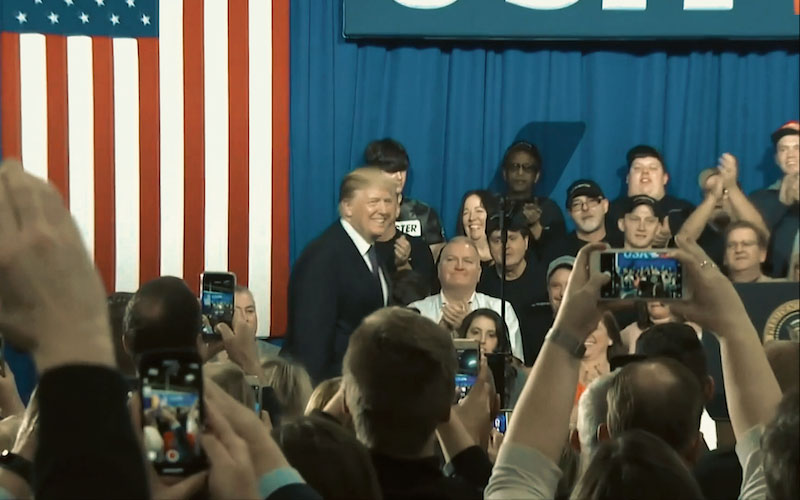
Will Trump's tariff weapon shatter the dollar's protective shield? The inside story of central banks around the world "abandoning bonds and buying gold" revealed.
2026-02-20 17:01:26
The US dollar's long-standing status as a safe-haven currency is facing unprecedented challenges. Recent economic turmoil, geopolitical sanctions, and a new round of high-intensity tariffs are prompting global investors and central banks to accelerate the search for alternatives. Some European officials believe they have found a "prescription" for gradually reducing dependence on the US dollar.
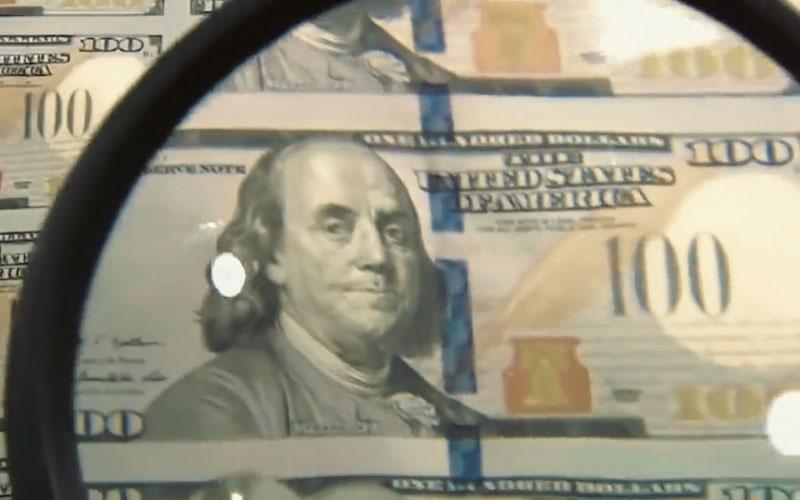
In recent months, amid heightened market volatility, investors have flocked to traditional safe-haven assets such as gold and silver in search of a safe haven for their funds.
Meanwhile, the Federal Reserve's independence is under intense scrutiny. Trump continues to pressure Fed officials to significantly ease lending rates, despite persistent inflationary pressures. These concerns about political interference have further boosted gold and silver prices and exerted sustained downward pressure on the dollar.
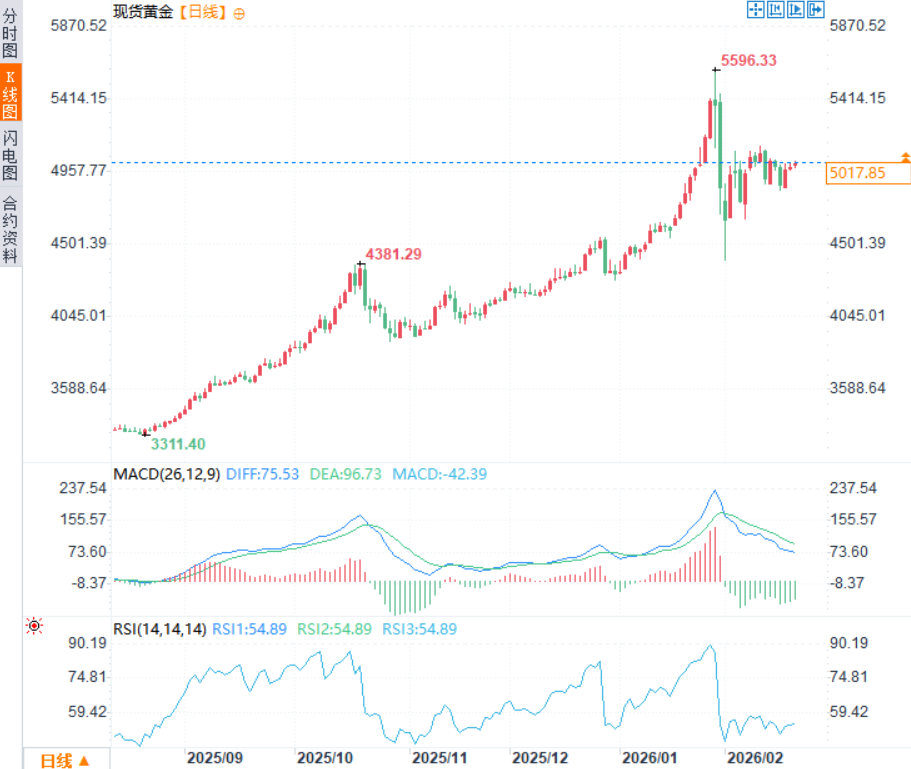
(Spot gold daily chart, source: FX678)
Data shows that since Trump introduced severe tariffs in April 2025, foreign investors' willingness to hold US Treasury bonds has weakened significantly. According to data from the Federal Reserve Bank of New York, as of October 2025, the total assets held on behalf of foreign central banks will fall to $2.7 trillion, the lowest level since August 2012. The previous peak occurred around March-April, when the tariffs were announced, reaching nearly $2.9 trillion.
Meanwhile, central banks in many countries have been buying gold for several consecutive months instead of continuing to increase their holdings of US Treasury bonds. This "abandoning bonds for gold" strategy highlights a wavering confidence in long-term dollar assets .
The dollar's status is not only reflected in its reserve currency and bond markets, but also deeply embedded in the global payment network. Every time European consumers use credit or debit cards to pay, they are effectively reinforcing their dependence on US companies Visa and Mastercard. Following the 2022 Russia-Ukraine conflict, the US instructed these two companies to cut off services to Russia, alerting European officials to the significant geopolitical risks of over-reliance on a single country's payment infrastructure .
European Central Bank President Christine Lagarde publicly stated in 2025 that this level of dependence "must be addressed." Subsequently, the European Payments Initiative (EPI) launched a major product—the Wero digital wallet. This solution allows European users to complete transfers using only their mobile phone numbers, without credit cards or intermediaries. To date, Wero has over 47 million registered users in Belgium, France, and Germany, processing a cumulative transfer amount of $8.5 billion (latest data shows the user base has approached or exceeded 43-50 million, with transaction volume exceeding €7.5 billion).
Despite previous failures of European payment solutions due to fragmentation and insufficient cross-border compatibility, and the powerful network effect created by Visa/Mastercard's massive user base, Wero is gradually building an independent payment ecosystem by leveraging its banking alliance and SEPA instant transfer infrastructure. In 2026, its e-commerce payment function will be launched in more countries, further challenging the monopoly of US payment giants.
The challenges facing the US dollar this time differ from previous cyclical fluctuations. Tariff wars have exacerbated global trade fragmentation, the weaponization of sanctions has prompted emerging market central banks to diversify their reserves, and Europe is seeking monetary sovereignty through payment infrastructure construction. Surge in gold demand, countries reducing their holdings of US Treasury bonds, and the rise of initiatives like Wero all contribute to a complex impact on the dollar's status.
On Friday (February 20), the US dollar index fluctuated around 97.95 during the European session. In the short term, the dollar will continue to benefit from the size of the US economy, the depth of its financial markets, and its inertia. However, in the long term, if political uncertainty persists and geopolitical frictions escalate, the global process of "de-dollarization" may accelerate. Investors need to closely monitor the independence of the Federal Reserve, the evolution of tariff policies, and the progress of European payment independence. These factors will collectively determine whether the dollar's hegemony can withstand this "real test."
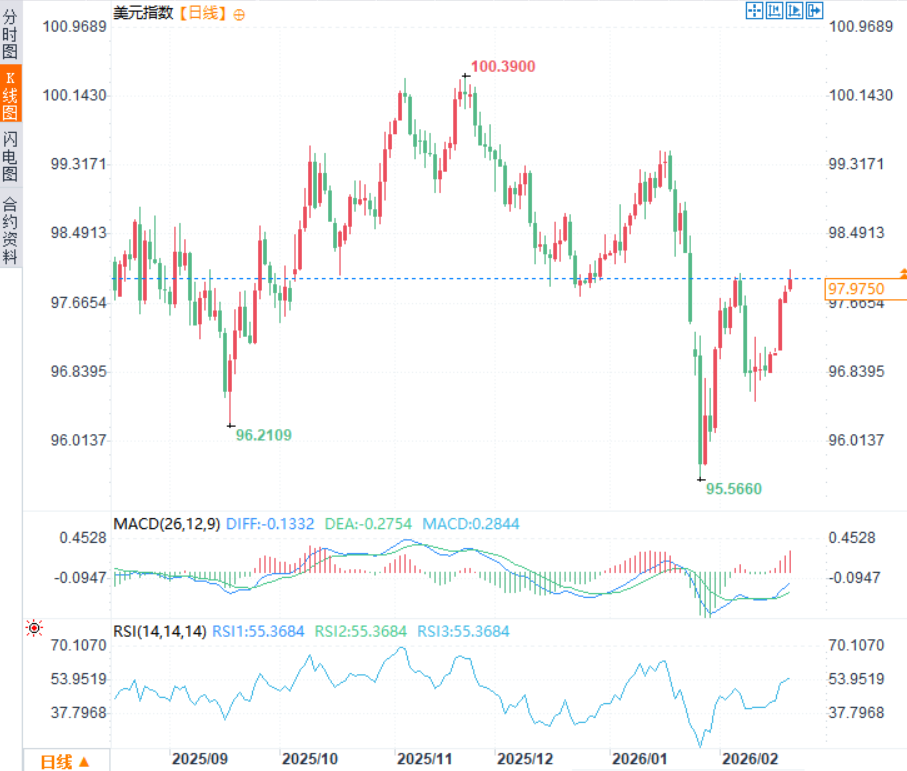
(US Dollar Index Daily Chart, Source: FX678)
At 16:35 Beijing time, the US dollar index is currently at 97.96.
Safe-haven assets shift to traditional precious metals
In recent months, amid heightened market volatility, investors have flocked to traditional safe-haven assets such as gold and silver in search of a safe haven for their funds.
Meanwhile, the Federal Reserve's independence is under intense scrutiny. Trump continues to pressure Fed officials to significantly ease lending rates, despite persistent inflationary pressures. These concerns about political interference have further boosted gold and silver prices and exerted sustained downward pressure on the dollar.
(Spot gold daily chart, source: FX678)
Countries accelerate reduction of their holdings of US Treasury bonds
Data shows that since Trump introduced severe tariffs in April 2025, foreign investors' willingness to hold US Treasury bonds has weakened significantly. According to data from the Federal Reserve Bank of New York, as of October 2025, the total assets held on behalf of foreign central banks will fall to $2.7 trillion, the lowest level since August 2012. The previous peak occurred around March-April, when the tariffs were announced, reaching nearly $2.9 trillion.
Meanwhile, central banks in many countries have been buying gold for several consecutive months instead of continuing to increase their holdings of US Treasury bonds. This "abandoning bonds for gold" strategy highlights a wavering confidence in long-term dollar assets .
The European payment system is becoming more independent.
The dollar's status is not only reflected in its reserve currency and bond markets, but also deeply embedded in the global payment network. Every time European consumers use credit or debit cards to pay, they are effectively reinforcing their dependence on US companies Visa and Mastercard. Following the 2022 Russia-Ukraine conflict, the US instructed these two companies to cut off services to Russia, alerting European officials to the significant geopolitical risks of over-reliance on a single country's payment infrastructure .
European Central Bank President Christine Lagarde publicly stated in 2025 that this level of dependence "must be addressed." Subsequently, the European Payments Initiative (EPI) launched a major product—the Wero digital wallet. This solution allows European users to complete transfers using only their mobile phone numbers, without credit cards or intermediaries. To date, Wero has over 47 million registered users in Belgium, France, and Germany, processing a cumulative transfer amount of $8.5 billion (latest data shows the user base has approached or exceeded 43-50 million, with transaction volume exceeding €7.5 billion).
Despite previous failures of European payment solutions due to fragmentation and insufficient cross-border compatibility, and the powerful network effect created by Visa/Mastercard's massive user base, Wero is gradually building an independent payment ecosystem by leveraging its banking alliance and SEPA instant transfer infrastructure. In 2026, its e-commerce payment function will be launched in more countries, further challenging the monopoly of US payment giants.
The US dollar faces multiple structural pressures.
The challenges facing the US dollar this time differ from previous cyclical fluctuations. Tariff wars have exacerbated global trade fragmentation, the weaponization of sanctions has prompted emerging market central banks to diversify their reserves, and Europe is seeking monetary sovereignty through payment infrastructure construction. Surge in gold demand, countries reducing their holdings of US Treasury bonds, and the rise of initiatives like Wero all contribute to a complex impact on the dollar's status.
On Friday (February 20), the US dollar index fluctuated around 97.95 during the European session. In the short term, the dollar will continue to benefit from the size of the US economy, the depth of its financial markets, and its inertia. However, in the long term, if political uncertainty persists and geopolitical frictions escalate, the global process of "de-dollarization" may accelerate. Investors need to closely monitor the independence of the Federal Reserve, the evolution of tariff policies, and the progress of European payment independence. These factors will collectively determine whether the dollar's hegemony can withstand this "real test."
(US Dollar Index Daily Chart, Source: FX678)
At 16:35 Beijing time, the US dollar index is currently at 97.96.
- Risk Warning and Disclaimer
- The market involves risk, and trading may not be suitable for all investors. This article is for reference only and does not constitute personal investment advice, nor does it take into account certain users’ specific investment objectives, financial situation, or other needs. Any investment decisions made based on this information are at your own risk.