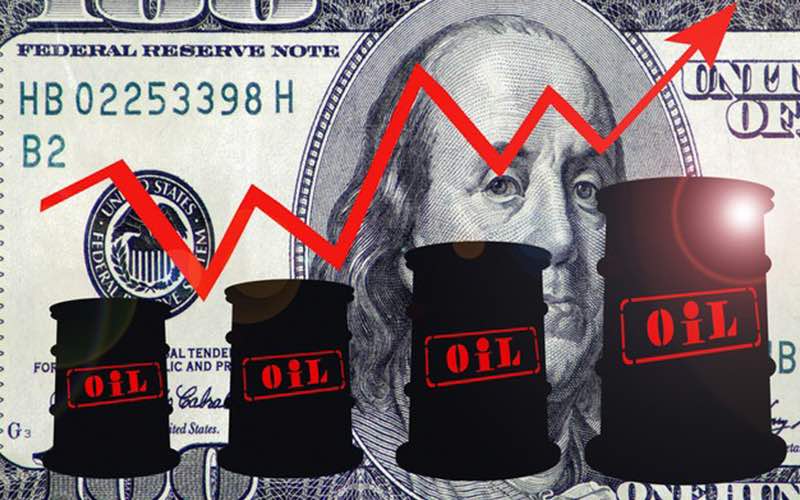
It's widely believed that the Federal Reserve will not cut interest rates this week, but the market is surprisingly betting on a rate hike?
2026-03-18 09:27:45
According to the latest data from CME FedWatch, the market expects a 98.9% probability that the Federal Reserve will keep interest rates unchanged at its policy meeting this week (March 18-19), a 0% probability of a 25 basis point rate cut, and an unusually high 1.1% probability of a 25 basis point rate hike.
This marks the first time since the start of this rate hike cycle that the market has made a small bet on a rate hike, reflecting that recent surges in oil prices and inflation concerns have significantly altered expectations regarding the path of rate cuts.
This slight rate hike, the first of its kind in this rate hike cycle, signals a market reassessment of the Fed's "higher and longer" path. Oil prices surged nearly 50% in two weeks, coupled with continued strong US economic data, prompting traders to significantly reduce their bets on a 2026 rate cut and even price in a rate hike.
Market expectations for subsequent meetings: By April: 3.1% probability of a cumulative 25 basis point rate cut, 95.9% probability of keeping rates unchanged, and 1.1% probability of a 25 basis point rate hike; By June: 78.1% probability of keeping rates unchanged, and 20.2% probability of at least a 25 basis point rate cut.
The market still expects a rate cut in the middle of the year, but the probability has dropped significantly compared to before. High oil prices and rising inflation expectations have reduced the Federal Reserve's room for rate cuts, making June the earliest possible window for a rate cut, but this would only be possible if inflation data shows a significant cooling.
The disruption of the Strait of Hormuz caused oil prices to surge nearly 50% in two weeks. The energy shock has spread from gasoline and jet fuel to transportation, chemicals, manufacturing, and agriculture, pushing up core inflation and the cost of living. Continued strong US economic data (resilient employment and better-than-expected consumer spending) further reduces the need for interest rate cuts.
The Federal Reserve faces a stagflation-like dilemma: energy shocks driving up inflation require tightening measures, while simultaneously curbing growth and employment necessitates easing. Market pricing has shifted towards "higher and longer," leading to tighter short-term financial conditions.
Markets will be closely watching this week's Federal Reserve policy statement, Summary of Economic Projections (SEP), and dot plot assessments of the impact of the Middle East conflict. How Fed officials describe the persistence of inflation, downside risks to growth, and the energy shock will determine the market's repricing of the interest rate path.
If the statement emphasizes "understanding supply shocks" and focuses on growth risks, expectations of interest rate cuts may be reignited; if inflation concerns are reinforced, tightening expectations will be further strengthened. Short-term volatility is extremely high, and investors need to carefully interpret any changes in Powell's wording at the press conference.
The probability of the Federal Reserve keeping interest rates unchanged this week is as high as 98.9%, with the market unusually pricing in a 1.1% rate hike, the first time this cycle has seen such a scenario. Oil prices have surged nearly 50% in two weeks, exacerbating inflation concerns, while strong economic data has further delayed expectations of a rate cut. The probability of the Fed keeping rates unchanged by April is 95.9%, and the probability of a cumulative rate cut of at least 25 basis points by June is 20.2%.
The Federal Reserve faces a stagflation dilemma: the energy shock is pushing up inflation while suppressing growth, making a cautious or even hawkish stance more likely in the short term. The policy statement, summary of economic projections, and assessments of the impact of Middle East conflicts in the dot plot will be key focuses. The tone of Powell's press conference will dominate market repricing of the interest rate path.
Short-term volatility is extremely high, and investors should be wary of any hawkish signals that could lead to further tightening of financial conditions, and pay attention to inflation data and geopolitical developments.
This marks the first time since the start of this rate hike cycle that the market has made a small bet on a rate hike, reflecting that recent surges in oil prices and inflation concerns have significantly altered expectations regarding the path of rate cuts.
This slight rate hike, the first of its kind in this rate hike cycle, signals a market reassessment of the Fed's "higher and longer" path. Oil prices surged nearly 50% in two weeks, coupled with continued strong US economic data, prompting traders to significantly reduce their bets on a 2026 rate cut and even price in a rate hike.
The probability of things remaining unchanged in April is 95.9%, and the probability of things remaining unchanged in June is 78.1%.
Market expectations for subsequent meetings: By April: 3.1% probability of a cumulative 25 basis point rate cut, 95.9% probability of keeping rates unchanged, and 1.1% probability of a 25 basis point rate hike; By June: 78.1% probability of keeping rates unchanged, and 20.2% probability of at least a 25 basis point rate cut.
The market still expects a rate cut in the middle of the year, but the probability has dropped significantly compared to before. High oil prices and rising inflation expectations have reduced the Federal Reserve's room for rate cuts, making June the earliest possible window for a rate cut, but this would only be possible if inflation data shows a significant cooling.
Soaring oil prices exacerbate inflation concerns, while strong economic data delays expectations of interest rate cuts.
The disruption of the Strait of Hormuz caused oil prices to surge nearly 50% in two weeks. The energy shock has spread from gasoline and jet fuel to transportation, chemicals, manufacturing, and agriculture, pushing up core inflation and the cost of living. Continued strong US economic data (resilient employment and better-than-expected consumer spending) further reduces the need for interest rate cuts.
The Federal Reserve faces a stagflation-like dilemma: energy shocks driving up inflation require tightening measures, while simultaneously curbing growth and employment necessitates easing. Market pricing has shifted towards "higher and longer," leading to tighter short-term financial conditions.
Policy statements and economic forecasts take center stage; assessment of the impact of the Middle East conflict is key.
Markets will be closely watching this week's Federal Reserve policy statement, Summary of Economic Projections (SEP), and dot plot assessments of the impact of the Middle East conflict. How Fed officials describe the persistence of inflation, downside risks to growth, and the energy shock will determine the market's repricing of the interest rate path.
If the statement emphasizes "understanding supply shocks" and focuses on growth risks, expectations of interest rate cuts may be reignited; if inflation concerns are reinforced, tightening expectations will be further strengthened. Short-term volatility is extremely high, and investors need to carefully interpret any changes in Powell's wording at the press conference.
Editor's Summary
The probability of the Federal Reserve keeping interest rates unchanged this week is as high as 98.9%, with the market unusually pricing in a 1.1% rate hike, the first time this cycle has seen such a scenario. Oil prices have surged nearly 50% in two weeks, exacerbating inflation concerns, while strong economic data has further delayed expectations of a rate cut. The probability of the Fed keeping rates unchanged by April is 95.9%, and the probability of a cumulative rate cut of at least 25 basis points by June is 20.2%.
The Federal Reserve faces a stagflation dilemma: the energy shock is pushing up inflation while suppressing growth, making a cautious or even hawkish stance more likely in the short term. The policy statement, summary of economic projections, and assessments of the impact of Middle East conflicts in the dot plot will be key focuses. The tone of Powell's press conference will dominate market repricing of the interest rate path.
Short-term volatility is extremely high, and investors should be wary of any hawkish signals that could lead to further tightening of financial conditions, and pay attention to inflation data and geopolitical developments.
- Risk Warning and Disclaimer
- The market involves risk, and trading may not be suitable for all investors. This article is for reference only and does not constitute personal investment advice, nor does it take into account certain users’ specific investment objectives, financial situation, or other needs. Any investment decisions made based on this information are at your own risk.