Middle East conflict and energy inflation risks drive a policy shift; could the European Central Bank raise interest rates as early as April?
2026-03-23 15:56:45
According to APP, Goldman Sachs now expects the European Central Bank ( ECB) to raise interest rates by 25 basis points each in April and June 2026, up from its previous forecast of unchanged rates this year. This adjustment aligns with the forecasts made last week by JPMorgan Chase and Barclays, both of which also anticipated ECB action in April. Goldman Sachs points out that conflicts in the Middle East pose inflationary risks, while rising energy prices are a major concern.

In a recent report, Morgan Stanley interest rate strategists Luca Salford and Maria Chiara Russo stated that the ongoing Middle East conflict, limited observability of buffer zones, and initial central bank analyses of the stagflation environment prompted them to adjust Morgan Stanley's central bank forecasts. Morgan Stanley now expects the European Central Bank (ECB) to raise interest rates by 50 basis points each in June and September 2026 (previously forecasting no change this year), and has withdrawn its expectation of a rate hike in 2027. According to LSEG data, financial markets currently expect the ECB to raise rates three times this year. These strategists also predict that, under their benchmark ECB interest rate path scenario, the 10-year German government bond yield will be 2.80% at the end of 2026 and 2.70% in 2027.
The core driver of this round of upward revisions to forecasts is the persistently high oil and gas prices due to tensions in the Strait of Hormuz, leading to imported inflationary pressures exceeding previous expectations. The European Central Bank faces a dilemma of "stagflation," needing to curb price increases through energy cost transmission while avoiding excessive tightening that could drag down economic growth. The market has already priced in a high probability of three rate hikes in 2026, resulting in a simultaneous steepening of the Eurozone's long-term yield curve.
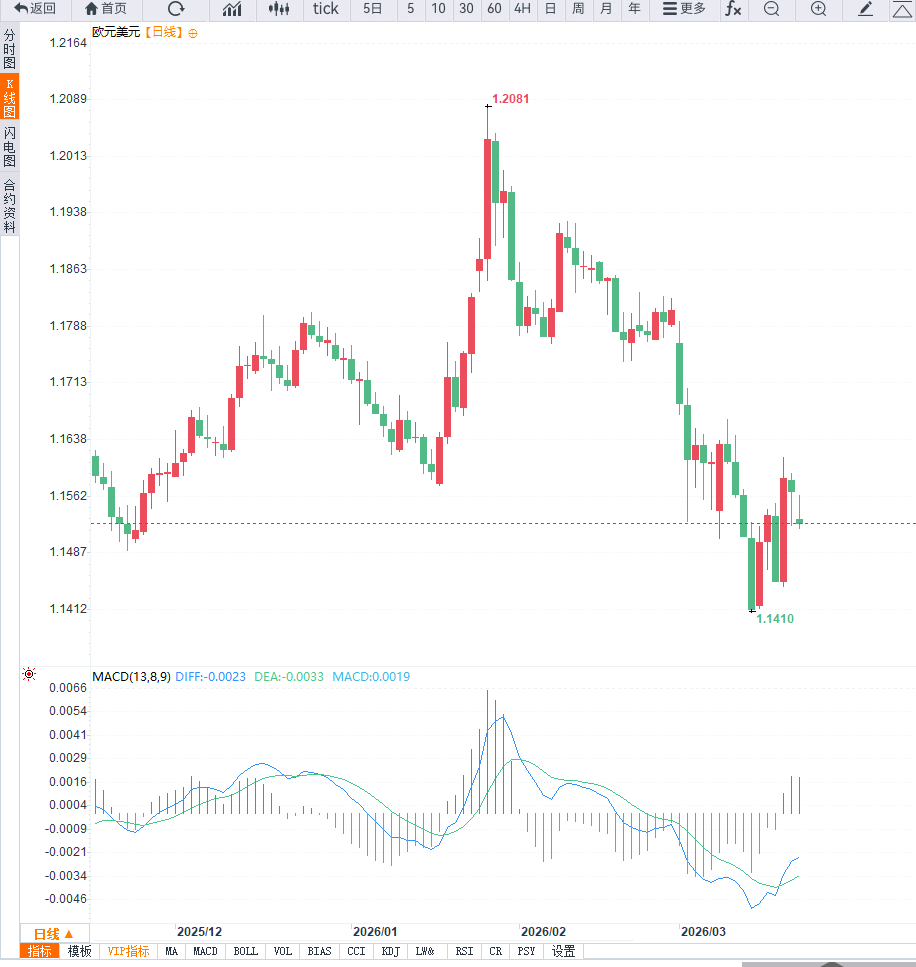
Luca Salford and Maria Chiara Russo emphasized that the longer the conflict lasts, the lower the central bank's tolerance for stagflation will be, and the faster the policy shift will be than the market initially expected. This adjustment also reflects a possible rise in hawkish voices within the ECB, and the market needs to be wary of changes in the wording of subsequent meeting minutes. For major Asian countries, rising European interest rates will indirectly push up cross-border financing costs, while energy price transmission may amplify exchange rate pressures on export companies, necessitating advance planning for interest rate hedging tools.
Editor's Summary : Objectively speaking, the energy inflation triggered by the Middle East conflict has forced institutions such as Goldman Sachs and Morgan Stanley to comprehensively revise upwards their forecasts for the European Central Bank's interest rate hike path, with the market pricing in three rate hikes as the mainstream expectation. Although the German government bond yield may reach 2.80% by the end of 2026 under the baseline scenario, if the conflict prolongs, there is still room for upward revision of the tightening力度 (intensity/strength). The resilience of the Eurozone economic recovery and the linkage between global interest rates will be key variables to observe in the second half of the year. Investors should dynamically adjust their duration allocation in conjunction with energy price trends.
In a recent report, Morgan Stanley interest rate strategists Luca Salford and Maria Chiara Russo stated that the ongoing Middle East conflict, limited observability of buffer zones, and initial central bank analyses of the stagflation environment prompted them to adjust Morgan Stanley's central bank forecasts. Morgan Stanley now expects the European Central Bank (ECB) to raise interest rates by 50 basis points each in June and September 2026 (previously forecasting no change this year), and has withdrawn its expectation of a rate hike in 2027. According to LSEG data, financial markets currently expect the ECB to raise rates three times this year. These strategists also predict that, under their benchmark ECB interest rate path scenario, the 10-year German government bond yield will be 2.80% at the end of 2026 and 2.70% in 2027.
The core driver of this round of upward revisions to forecasts is the persistently high oil and gas prices due to tensions in the Strait of Hormuz, leading to imported inflationary pressures exceeding previous expectations. The European Central Bank faces a dilemma of "stagflation," needing to curb price increases through energy cost transmission while avoiding excessive tightening that could drag down economic growth. The market has already priced in a high probability of three rate hikes in 2026, resulting in a simultaneous steepening of the Eurozone's long-term yield curve.
Luca Salford and Maria Chiara Russo emphasized that the longer the conflict lasts, the lower the central bank's tolerance for stagflation will be, and the faster the policy shift will be than the market initially expected. This adjustment also reflects a possible rise in hawkish voices within the ECB, and the market needs to be wary of changes in the wording of subsequent meeting minutes. For major Asian countries, rising European interest rates will indirectly push up cross-border financing costs, while energy price transmission may amplify exchange rate pressures on export companies, necessitating advance planning for interest rate hedging tools.
Editor's Summary : Objectively speaking, the energy inflation triggered by the Middle East conflict has forced institutions such as Goldman Sachs and Morgan Stanley to comprehensively revise upwards their forecasts for the European Central Bank's interest rate hike path, with the market pricing in three rate hikes as the mainstream expectation. Although the German government bond yield may reach 2.80% by the end of 2026 under the baseline scenario, if the conflict prolongs, there is still room for upward revision of the tightening力度 (intensity/strength). The resilience of the Eurozone economic recovery and the linkage between global interest rates will be key variables to observe in the second half of the year. Investors should dynamically adjust their duration allocation in conjunction with energy price trends.
- Risk Warning and Disclaimer
- The market involves risk, and trading may not be suitable for all investors. This article is for reference only and does not constitute personal investment advice, nor does it take into account certain users’ specific investment objectives, financial situation, or other needs. Any investment decisions made based on this information are at your own risk.