The Federal Reserve's Beige Book issued a warning: the war with Iran has triggered a collective wait-and-see attitude among businesses, significantly increasing uncertainty in the U.S. economy.
2026-04-16 09:52:03
The Federal Reserve's latest Beige Book report, released Wednesday (April 15), shows that U.S. businesses and households are still adjusting to the Trump administration's tariff policies while also facing significant pressure from soaring energy prices caused by the Iran war. However, the report also notes that economic activity in most parts of the U.S. has increased moderately in recent weeks, and the job market has remained generally stable.
The report explicitly states that the Middle East conflict is considered a major source of uncertainty for businesses, making their decisions regarding hiring, pricing, and capital investment more complex, leading many to adopt a wait-and-see approach.
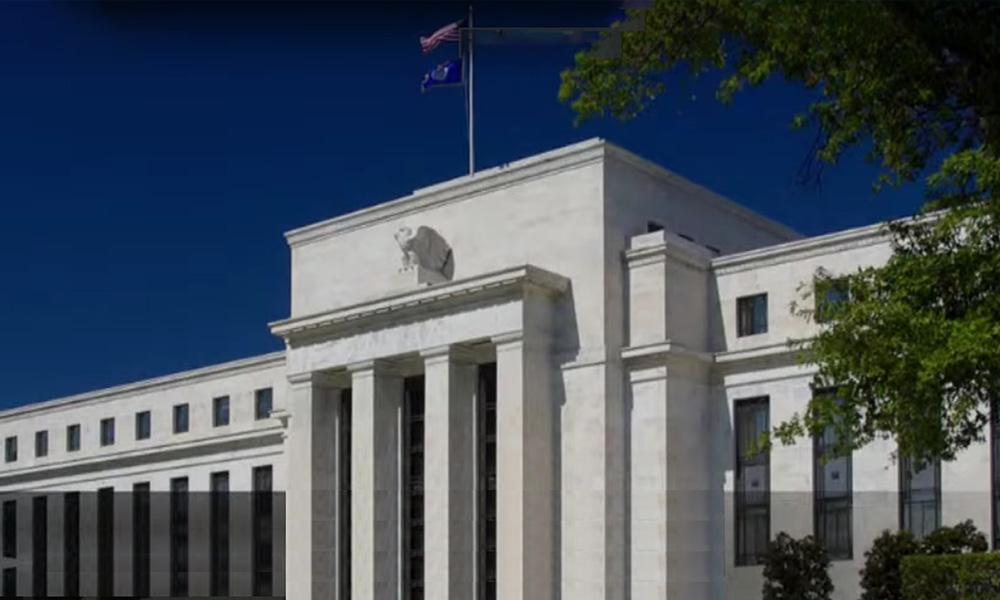
This Beige Book compiles qualitative economic information from all 12 Federal Reserve districts across the country, providing Fed policymakers with a deeper understanding of the economic situation and assisting them in making interest rate decisions. The report states, "Amid widespread uncertainty about the future, business prospects show significant differences."
Respondents in the Boston and St. Louis Federal Reserve districts indicated a degree of optimism despite the ongoing war; however, respondents in other regions were generally more pessimistic. One respondent to the Kansas City Fed survey noted that low- to middle-income households "are unable to balance their moneys amid low wages, tariffs, and inflationary pressures."
It is widely expected that the Federal Reserve will keep the benchmark overnight interest rate unchanged at 3.50%-3.75% at its next policy meeting on April 28-29, with policymakers also adopting a "wait-and-see" stance.
The report shows that price increases have remained mostly moderate overall, but input cost pressures have begun to spread from the energy sector to other areas. Rising energy costs have directly led to increased transportation costs, while the costs of raw materials such as plastics and fertilizers have also risen significantly. The report adds, "In addition to energy-related price increases, input cost pressures are prevalent across multiple industries."
The Cleveland Federal Reserve noted that several manufacturers and retailers have raised product prices to offset rising input costs and previously borne tariff-related expenses. Some manufacturers have also imposed surcharges on oil-related inputs affected by the Middle East conflict.
The information collected for this report up to April 6th reflects the turbulent economic climate since Iran's blockade of the Strait of Hormuz. This event has severely disrupted approximately one-fifth of global oil shipments and one-third of fertilizer shipments. Currently, the average price of gasoline in the United States has jumped to over $4 per gallon, retail diesel prices have soared to over $5.60 per gallon, and fertilizer prices have also risen sharply.
Despite facing a series of economic challenges, including soaring inflation following the COVID-19 pandemic and the tariff shock last year, the resilience of U.S. consumer spending initially surprised policymakers and analysts. However, the latest Beige Book indicates that signs of this resilience are beginning to weaken.
A jeweler in Williamsburg, Virginia, told the Richmond Federal Reserve Bank, “If they can save a dollar and get free shipping, they’ll choose to shop online… This is the worst year I’ve ever had.”
Manufacturing companies in the New York Fed district reported that tariff adjustments and increased uncertainty stemming from the war are "disrupting pricing arrangements and making customers reluctant to commit to purchases." However, the New York Fed also noted that despite multiple headwinds, "some companies are still reporting relatively strong momentum."
Federal Reserve policymakers said they typically “ignore” temporary rises in commodity prices, and many still expect commodity inflation triggered by last year’s tariff shock to gradually ease later this year, a development that would give them room to resume interest rate cuts.
However, inflation has been above the Federal Reserve's 2% target for more than five consecutive years. The latest data leads economists to expect that not only will overall inflation rise last month, but core inflation (excluding food and energy, a key indicator used by policymakers to measure future inflationary pressures) will also increase.
Policymakers generally believe that the U.S. labor market is stabilizing, with slower job growth offsetting a decrease in labor supply, which is related to a significant recent decline in immigration. The U.S. unemployment rate fell slightly to 4.3% last month.
The Beige Book indicates that overall wage competition remains "moderate," meaning the labor market is not putting additional pressure on inflation. Several jurisdictions also noted the absence of widespread layoffs and low turnover rates, further demonstrating that a "low layoffs, low hiring" labor market pattern remains a major characteristic in most parts of the United States.
Furthermore, the report shows that artificial intelligence (AI) continues to reshape the labor market. The San Francisco Federal Reserve noted, "Some respondents indicated that they are using generative AI tools to reduce costs and have paused hiring new employees."
The Federal Reserve's latest Beige Book clearly reflects the complex situation facing the US economy: soaring energy prices due to the Iran war and geopolitical uncertainty have become major constraints on business decisions and economic activity. Although economic activity has shown a moderate recovery in some regions, weakened consumer resilience, spreading input cost pressures, and a general wait-and-see attitude among businesses indicate that the US economy will continue to face significant challenges in the near future.
Whether Federal Reserve policymakers will adjust the pace of policy in response to these uncertainties remains to be seen and warrants continued attention.
War has become a major source of uncertainty, leading to generally cautious corporate decision-making.
The report explicitly states that the Middle East conflict is considered a major source of uncertainty for businesses, making their decisions regarding hiring, pricing, and capital investment more complex, leading many to adopt a wait-and-see approach.
This Beige Book compiles qualitative economic information from all 12 Federal Reserve districts across the country, providing Fed policymakers with a deeper understanding of the economic situation and assisting them in making interest rate decisions. The report states, "Amid widespread uncertainty about the future, business prospects show significant differences."
Respondents in the Boston and St. Louis Federal Reserve districts indicated a degree of optimism despite the ongoing war; however, respondents in other regions were generally more pessimistic. One respondent to the Kansas City Fed survey noted that low- to middle-income households "are unable to balance their moneys amid low wages, tariffs, and inflationary pressures."
It is widely expected that the Federal Reserve will keep the benchmark overnight interest rate unchanged at 3.50%-3.75% at its next policy meeting on April 28-29, with policymakers also adopting a "wait-and-see" stance.
Price pressures are spreading outwards from the energy sector.
The report shows that price increases have remained mostly moderate overall, but input cost pressures have begun to spread from the energy sector to other areas. Rising energy costs have directly led to increased transportation costs, while the costs of raw materials such as plastics and fertilizers have also risen significantly. The report adds, "In addition to energy-related price increases, input cost pressures are prevalent across multiple industries."
The Cleveland Federal Reserve noted that several manufacturers and retailers have raised product prices to offset rising input costs and previously borne tariff-related expenses. Some manufacturers have also imposed surcharges on oil-related inputs affected by the Middle East conflict.
Consumer spending shows signs of weakening resilience
The information collected for this report up to April 6th reflects the turbulent economic climate since Iran's blockade of the Strait of Hormuz. This event has severely disrupted approximately one-fifth of global oil shipments and one-third of fertilizer shipments. Currently, the average price of gasoline in the United States has jumped to over $4 per gallon, retail diesel prices have soared to over $5.60 per gallon, and fertilizer prices have also risen sharply.
Despite facing a series of economic challenges, including soaring inflation following the COVID-19 pandemic and the tariff shock last year, the resilience of U.S. consumer spending initially surprised policymakers and analysts. However, the latest Beige Book indicates that signs of this resilience are beginning to weaken.
A jeweler in Williamsburg, Virginia, told the Richmond Federal Reserve Bank, “If they can save a dollar and get free shipping, they’ll choose to shop online… This is the worst year I’ve ever had.”
Manufacturing companies in the New York Fed district reported that tariff adjustments and increased uncertainty stemming from the war are "disrupting pricing arrangements and making customers reluctant to commit to purchases." However, the New York Fed also noted that despite multiple headwinds, "some companies are still reporting relatively strong momentum."
Inflation and Labor Market Outlook
Federal Reserve policymakers said they typically “ignore” temporary rises in commodity prices, and many still expect commodity inflation triggered by last year’s tariff shock to gradually ease later this year, a development that would give them room to resume interest rate cuts.
However, inflation has been above the Federal Reserve's 2% target for more than five consecutive years. The latest data leads economists to expect that not only will overall inflation rise last month, but core inflation (excluding food and energy, a key indicator used by policymakers to measure future inflationary pressures) will also increase.
Policymakers generally believe that the U.S. labor market is stabilizing, with slower job growth offsetting a decrease in labor supply, which is related to a significant recent decline in immigration. The U.S. unemployment rate fell slightly to 4.3% last month.
The Beige Book indicates that overall wage competition remains "moderate," meaning the labor market is not putting additional pressure on inflation. Several jurisdictions also noted the absence of widespread layoffs and low turnover rates, further demonstrating that a "low layoffs, low hiring" labor market pattern remains a major characteristic in most parts of the United States.
Furthermore, the report shows that artificial intelligence (AI) continues to reshape the labor market. The San Francisco Federal Reserve noted, "Some respondents indicated that they are using generative AI tools to reduce costs and have paused hiring new employees."
Overall Assessment
The Federal Reserve's latest Beige Book clearly reflects the complex situation facing the US economy: soaring energy prices due to the Iran war and geopolitical uncertainty have become major constraints on business decisions and economic activity. Although economic activity has shown a moderate recovery in some regions, weakened consumer resilience, spreading input cost pressures, and a general wait-and-see attitude among businesses indicate that the US economy will continue to face significant challenges in the near future.
Whether Federal Reserve policymakers will adjust the pace of policy in response to these uncertainties remains to be seen and warrants continued attention.
- Risk Warning and Disclaimer
- The market involves risk, and trading may not be suitable for all investors. This article is for reference only and does not constitute personal investment advice, nor does it take into account certain users’ specific investment objectives, financial situation, or other needs. Any investment decisions made based on this information are at your own risk.