Powell's Final Game Preview: Market Pricing May Be Overly Optimistic
2026-04-28 15:40:03
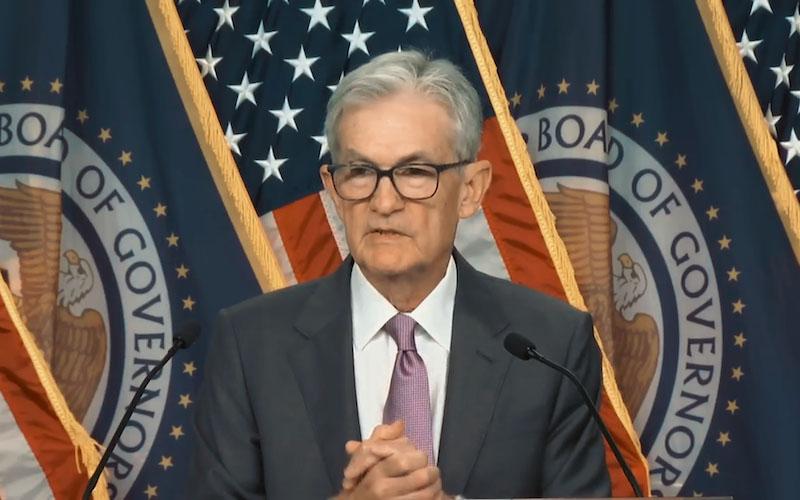
The Federal Reserve's interest rate meeting this week (April 28-29) will most likely be the last policy press conference during Jerome Powell's term.
With the District of Columbia prosecutor's office dropping its special investigation into Jerome Powell, the chances of former Federal Reserve Governor Kevin Warsh being nominated as chairman have increased significantly. If the vote goes smoothly, he will officially take over after Powell's term expires in May.
The market has already begun to price in the policy shift expected by the transfer of power. Although current federal funds rate futures show that the expectation of a rate cut in 2026 has cooled significantly, many traders are still secretly positioning themselves for the possibility of restarting the easing cycle after Warsh takes office. This implicit pricing of future policy easing has also driven the recent continuous rise in the capital market, laying the groundwork for the market reaction to this interest rate meeting.
From a global fundamental perspective, the certainty of rising inflation is constantly strengthening.
The ongoing geopolitical conflict with Iran has pushed up international oil prices, directly leading to a 3.3% year-on-year increase in the US Consumer Price Index (CPI) in March, reaching a two-year high. The secondary inflation transmission effect on energy-related upstream and downstream products such as fertilizers has become fully apparent.
Structural factors supporting persistent inflation should not be overlooked: global population aging coupled with tightening US immigration policies has led to a continued contraction in labor market supply, with the unemployment rate remaining stable at a low of 4.4% for seven consecutive months in March.
The globalized trade system that has driven deflation over the past two decades is now fractured and supply chains are in disarray.
The explosive growth of the AI industry has created rigid energy demand. Without the simultaneous support of large-scale capital expenditure in the power generation sector, this demand will further exceed the existing supply capacity. Meanwhile, the expectation that improved production efficiency will offset price pressures is unlikely to materialize in the short term.
Due to a confluence of factors, the annual price increase in the United States has exceeded the Federal Reserve's policy target of 2% for five consecutive years, and inflationary pressures are evolving from short-term shocks to medium- to long-term trends.
Global markets currently still lean towards a dovish stance regarding the Federal Reserve's policies.
Despite rising inflation risks, investors generally expect the meeting to maintain the benchmark interest rate range of 3.50%-3.75%. Lawrence Gilliam, chief fixed income strategist at LPL Financial, said that there are unlikely to be any changes in core operations such as interest rate adjustments and balance sheet changes at this meeting, and the overall policy environment will remain quiet.
This expectation of easing stems from two factors: firstly, the Federal Reserve's March policy statement retained the phrase "assessing the magnitude and timing of any further policy adjustments," and secondly, the economic support effect brought about by fiscal expansion and regulatory easing. Major U.S. stock indices continued to hit new highs, and the all-round financial easing environment continued.
The market generally believes that even if interest rates are not cut in the short term, the Federal Reserve's benchmark interest rate will remain unchanged for the next year. This solidified expectation of easing has led to a continuous undervaluation of both short-term and long-term market interest rates.
However, the Federal Reserve is likely to send a more accommodative policy signal at this meeting in order to correct market expectations.
The minutes of the March FOMC meeting show that some Fed members have explicitly stated that the policy statement should objectively depict the logic behind future interest rate decisions from both sides, taking into account both tightening and easing possibilities.
Faced with the accumulating risks of rising inflation, if the Federal Reserve continues to maintain its current communication model, it may lead to a further divergence between market expectations and the actual policy path, making interest rates unable to reflect real inflationary pressures.
Cleveland Fed President Hammarck had previously stated that interest rate policy carries the risk of two-way volatility, and did not rule out the possibility of restarting tightening rate hikes in the future. It is expected that at this meeting, the Fed may convey a more symmetrical policy stance by adjusting the wording of its statement (such as removing the word "additional") and emphasizing upside risks to inflation in the press conference, thus preventing the market from underestimating the risks of rising interest rates.
This adjustment in policy communication is crucial, with its core objective being to prevent short- and long-term interest rates from remaining at excessively low levels for an extended period.
If the Federal Reserve fails to guide market expectations in a timely manner, and inflation rises further and forms a clear trend, the forced aggressive interest rate hikes to correct the trend will trigger a violent market reaction.
JPMorgan Chase's chief U.S. economist, Michael Feroli, has predicted that the Federal Reserve may keep interest rates unchanged in 2026, and may even raise rates by 25 basis points in the third quarter of 2027.
This delayed policy shift will completely disrupt the rhythm of global capital markets, and various assets such as precious metals, foreign exchange, stocks, and bonds will face a comprehensive revaluation. The market structure that previously relied on expectations of easing will be severely impacted.
For Powell's final press conference, the key challenge will be how to stabilize current market sentiment at this sensitive juncture of power transition, while also leaving room for future policy adjustments and balancing short-term stability with long-term inflation control.
With the District of Columbia prosecutor's office dropping its special investigation into Jerome Powell, the chances of former Federal Reserve Governor Kevin Warsh being nominated as chairman have increased significantly. If the vote goes smoothly, he will officially take over after Powell's term expires in May.
The market has already begun to price in the policy shift expected by the transfer of power. Although current federal funds rate futures show that the expectation of a rate cut in 2026 has cooled significantly, many traders are still secretly positioning themselves for the possibility of restarting the easing cycle after Warsh takes office. This implicit pricing of future policy easing has also driven the recent continuous rise in the capital market, laying the groundwork for the market reaction to this interest rate meeting.
Fundamental support: The certainty of rising inflation continues to strengthen
From a global fundamental perspective, the certainty of rising inflation is constantly strengthening.
The ongoing geopolitical conflict with Iran has pushed up international oil prices, directly leading to a 3.3% year-on-year increase in the US Consumer Price Index (CPI) in March, reaching a two-year high. The secondary inflation transmission effect on energy-related upstream and downstream products such as fertilizers has become fully apparent.
Structural factors supporting persistent inflation should not be overlooked: global population aging coupled with tightening US immigration policies has led to a continued contraction in labor market supply, with the unemployment rate remaining stable at a low of 4.4% for seven consecutive months in March.
The globalized trade system that has driven deflation over the past two decades is now fractured and supply chains are in disarray.
The explosive growth of the AI industry has created rigid energy demand. Without the simultaneous support of large-scale capital expenditure in the power generation sector, this demand will further exceed the existing supply capacity. Meanwhile, the expectation that improved production efficiency will offset price pressures is unlikely to materialize in the short term.
Due to a confluence of factors, the annual price increase in the United States has exceeded the Federal Reserve's policy target of 2% for five consecutive years, and inflationary pressures are evolving from short-term shocks to medium- to long-term trends.
Market expectations: Still anchored to an easing policy direction
Global markets currently still lean towards a dovish stance regarding the Federal Reserve's policies.
Despite rising inflation risks, investors generally expect the meeting to maintain the benchmark interest rate range of 3.50%-3.75%. Lawrence Gilliam, chief fixed income strategist at LPL Financial, said that there are unlikely to be any changes in core operations such as interest rate adjustments and balance sheet changes at this meeting, and the overall policy environment will remain quiet.
This expectation of easing stems from two factors: firstly, the Federal Reserve's March policy statement retained the phrase "assessing the magnitude and timing of any further policy adjustments," and secondly, the economic support effect brought about by fiscal expansion and regulatory easing. Major U.S. stock indices continued to hit new highs, and the all-round financial easing environment continued.
The market generally believes that even if interest rates are not cut in the short term, the Federal Reserve's benchmark interest rate will remain unchanged for the next year. This solidified expectation of easing has led to a continuous undervaluation of both short-term and long-term market interest rates.
Key Takeaways from the Fed Press Conference: The Fed may signal a tightening stance and revise expectations.
However, the Federal Reserve is likely to send a more accommodative policy signal at this meeting in order to correct market expectations.
The minutes of the March FOMC meeting show that some Fed members have explicitly stated that the policy statement should objectively depict the logic behind future interest rate decisions from both sides, taking into account both tightening and easing possibilities.
Faced with the accumulating risks of rising inflation, if the Federal Reserve continues to maintain its current communication model, it may lead to a further divergence between market expectations and the actual policy path, making interest rates unable to reflect real inflationary pressures.
Cleveland Fed President Hammarck had previously stated that interest rate policy carries the risk of two-way volatility, and did not rule out the possibility of restarting tightening rate hikes in the future. It is expected that at this meeting, the Fed may convey a more symmetrical policy stance by adjusting the wording of its statement (such as removing the word "additional") and emphasizing upside risks to inflation in the press conference, thus preventing the market from underestimating the risks of rising interest rates.
Potential risk: Capital market revaluation pressure due to misaligned expectations
This adjustment in policy communication is crucial, with its core objective being to prevent short- and long-term interest rates from remaining at excessively low levels for an extended period.
If the Federal Reserve fails to guide market expectations in a timely manner, and inflation rises further and forms a clear trend, the forced aggressive interest rate hikes to correct the trend will trigger a violent market reaction.
JPMorgan Chase's chief U.S. economist, Michael Feroli, has predicted that the Federal Reserve may keep interest rates unchanged in 2026, and may even raise rates by 25 basis points in the third quarter of 2027.
This delayed policy shift will completely disrupt the rhythm of global capital markets, and various assets such as precious metals, foreign exchange, stocks, and bonds will face a comprehensive revaluation. The market structure that previously relied on expectations of easing will be severely impacted.
For Powell's final press conference, the key challenge will be how to stabilize current market sentiment at this sensitive juncture of power transition, while also leaving room for future policy adjustments and balancing short-term stability with long-term inflation control.
- Risk Warning and Disclaimer
- The market involves risk, and trading may not be suitable for all investors. This article is for reference only and does not constitute personal investment advice, nor does it take into account certain users’ specific investment objectives, financial situation, or other needs. Any investment decisions made based on this information are at your own risk.