The Fed's dilemma: Powell decides to remain on the board indefinitely, how will Warsh take over?
2026-04-30 10:24:11
Next month, once the U.S. Senate confirms Kevin Warsh as the nominee for Federal Reserve Chairman, he will face a thorny issue: how to smoothly transition policy when the outgoing chairman is unwilling to leave? Outgoing Chairman Jerome Powell has made it clear that he will remain a voting member of the Federal Reserve Board of Governors indefinitely after his term ends, a decision with almost no precedent in the history of the Federal Reserve, but which could have a complex impact on Warsh's succession plans.
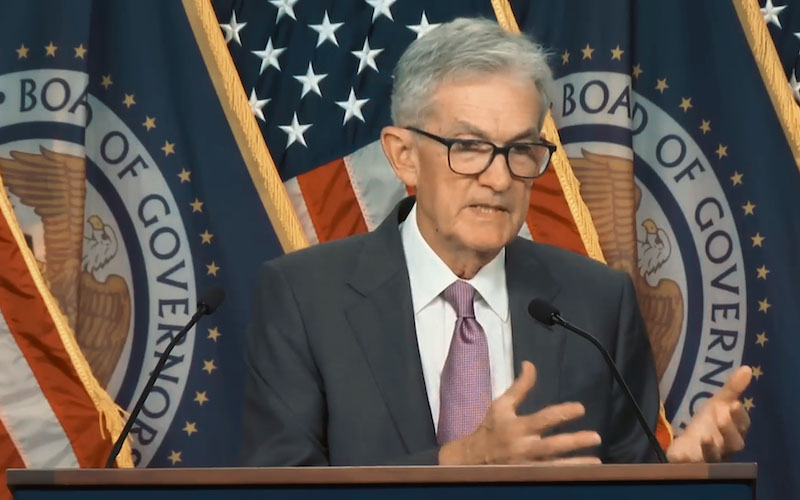
At a press conference on Wednesday (April 29), Powell stated that he has no intention of becoming a "shadow chairman," and that his plan to extend his term at the Federal Reserve focuses not on internal affairs at headquarters, but on broader objectives. This statement alleviated concerns to some extent about a chaotic power transition.
While Powell's continued tenure lacks historical precedent, his explicit rejection of the "shadow chairman" concept seems appropriate, as this idea was initially proposed to diminish his influence.
In October 2024, then-Treasury Secretary Scott Bessent, a civilian, proposed a plan to create a shadow Federal Reserve chairman. At the time, Trump was already dissatisfied with Powell even before his election victory, and Bessent therefore suggested designating a successor in advance. He stated at the time that, based on the concept of forward guidance, no one would really care what Powell said anymore.
Powell specifically noted on Wednesday that Trump still keeps an eye on him, but Warsh shouldn't be too worried about having a former chairman around. He emphasized, "The Fed will only ever have one chairman." Powell added that he doesn't intend to be a high-profile dissident or anything like that. He was initially appointed by Trump, but later faced the president's disapproval.
Powell's core motivation for remaining in office is to maintain the Federal Reserve's independence, hoping to withstand legal attacks on this independent central bank by the Trump administration. Congress grants the Fed the power to set interest rates free from political interference, and Powell plans to uphold this tradition. He points out that otherwise, politicians from all sides might try to stimulate the economy by lowering interest rates, risking soaring inflation.
Powell also hopes to see a definitive resolution to the criminal investigation initiated and subsequently dismissed by U.S. Attorney for the District of Columbia, Jeanine Pirro, who has indicated she plans to appeal the judge's decision to dismiss the subpoena. North Carolina Republican Senator Thom Tillis, who played a key role in brokering the understanding between the two parties, expressed confidence that Powell will likely remain in office until the appeals are resolved, a process that could take several months.
Powell's decision essentially "frames" Warsh's path in the Trump-related struggles, with Powell becoming the designated person on the board to address those challenges, while Warsh can focus on imprinting his own policy mark on the Federal Reserve.
At his nomination hearing, Warsh refused to commit to continuing press conferences according to Powell's schedule, and Powell acknowledged that the decision would essentially be made by Warsh. Powell stated that the current communication style was good, but it would be most natural to do so in a different, better way.
This shift in communication could extend to the release of monetary policy signals. The most notable development at Wednesday's meeting was that three Federal Reserve officials objected to the policy statement, arguing against its perceived "dodging bias." These officials agreed with the overall decision to keep interest rates unchanged but were unwilling to continue strongly suggesting that the Fed was still seriously considering rate cuts, given the potential inflationary risks from the Iran war. Warsh, however, had previously pledged to push for a swift rate cut.
Powell pointed out that these objections themselves constitute a form of forward guidance, designed to allow the market to anticipate future policy directions. Warsh, however, explicitly opposed this approach, writing in a written response to questions from Democratic senators that he generally does not believe the Fed should provide forward guidance in its current form. These responses were released on Tuesday.
Warsh also expressed a desire to "reform" the Fed's 12 regional banks, such as imposing residency requirements on their presidents to ensure they truly come from the regions they represent. Powell also expressed openness to this, saying there was room for discussion.
However, Powell drew a clear line: he strongly opposes a large-scale dismissal of regional Federal Reserve presidents. While this idea falls legally within the Board's authority, it would be an unprecedented move. Since the rotation of these presidents participates in voting on monetary policy, replacing them with people loyal to the government could become a backdoor way to transfer power to the executive branch. Powell warned that that would mark the beginning of the end for the Fed's independent ability to set monetary policy.
During his confirmation hearing last week, Warsh made it clear to Delaware Democratic Senator Lisa Blunt Rochester that removing the regional Federal Reserve president was not part of his plans. He clarified that by "change" he meant "policy change," not a personnel purge.
According to Powell, Warsh's main challenge lies in building consensus within the Federal Reserve on interest rate levels. The dissent that emerged on Wednesday already demonstrates that this task will not be easy.
Although Warsh once described Powell as a failed chairman who chose inflation, Powell still specifically affirmed Warsh's abilities. He pointed out that the chairman's job is to "create consensus among the Fed's voters" and "understand their thinking." Powell stated that Warsh possesses the ability and skills to do this well.
Overall , while Powell's decision to remain in his post adds complexity to the transition of power at the Federal Reserve, his low-key approach and commitment to independence may provide Warsh with a relatively stable environment for the transition. Warsh will need to maintain the Fed's independence while simultaneously pushing for adjustments to communication methods and policy signals, and building internal consensus on interest rate decisions. This "change of leadership" will directly impact the direction of monetary policy and economic stability in the US and globally, and the market is closely watching subsequent developments.
Powell's decision to remain in office was unexpected, but the disruption may be less than anticipated.
At a press conference on Wednesday (April 29), Powell stated that he has no intention of becoming a "shadow chairman," and that his plan to extend his term at the Federal Reserve focuses not on internal affairs at headquarters, but on broader objectives. This statement alleviated concerns to some extent about a chaotic power transition.
While Powell's continued tenure lacks historical precedent, his explicit rejection of the "shadow chairman" concept seems appropriate, as this idea was initially proposed to diminish his influence.
In October 2024, then-Treasury Secretary Scott Bessent, a civilian, proposed a plan to create a shadow Federal Reserve chairman. At the time, Trump was already dissatisfied with Powell even before his election victory, and Bessent therefore suggested designating a successor in advance. He stated at the time that, based on the concept of forward guidance, no one would really care what Powell said anymore.
Powell specifically noted on Wednesday that Trump still keeps an eye on him, but Warsh shouldn't be too worried about having a former chairman around. He emphasized, "The Fed will only ever have one chairman." Powell added that he doesn't intend to be a high-profile dissident or anything like that. He was initially appointed by Trump, but later faced the president's disapproval.
Powell insists on the Fed's independence and focuses on resisting external pressure.
Powell's core motivation for remaining in office is to maintain the Federal Reserve's independence, hoping to withstand legal attacks on this independent central bank by the Trump administration. Congress grants the Fed the power to set interest rates free from political interference, and Powell plans to uphold this tradition. He points out that otherwise, politicians from all sides might try to stimulate the economy by lowering interest rates, risking soaring inflation.
Powell also hopes to see a definitive resolution to the criminal investigation initiated and subsequently dismissed by U.S. Attorney for the District of Columbia, Jeanine Pirro, who has indicated she plans to appeal the judge's decision to dismiss the subpoena. North Carolina Republican Senator Thom Tillis, who played a key role in brokering the understanding between the two parties, expressed confidence that Powell will likely remain in office until the appeals are resolved, a process that could take several months.
Powell's decision essentially "frames" Warsh's path in the Trump-related struggles, with Powell becoming the designated person on the board to address those challenges, while Warsh can focus on imprinting his own policy mark on the Federal Reserve.
Communication methods may change, and forward-looking guidance may need adjustment.
At his nomination hearing, Warsh refused to commit to continuing press conferences according to Powell's schedule, and Powell acknowledged that the decision would essentially be made by Warsh. Powell stated that the current communication style was good, but it would be most natural to do so in a different, better way.
This shift in communication could extend to the release of monetary policy signals. The most notable development at Wednesday's meeting was that three Federal Reserve officials objected to the policy statement, arguing against its perceived "dodging bias." These officials agreed with the overall decision to keep interest rates unchanged but were unwilling to continue strongly suggesting that the Fed was still seriously considering rate cuts, given the potential inflationary risks from the Iran war. Warsh, however, had previously pledged to push for a swift rate cut.
Powell pointed out that these objections themselves constitute a form of forward guidance, designed to allow the market to anticipate future policy directions. Warsh, however, explicitly opposed this approach, writing in a written response to questions from Democratic senators that he generally does not believe the Fed should provide forward guidance in its current form. These responses were released on Tuesday.
Regional Reserve Bank Reform and the Bottom Line of Independence
Warsh also expressed a desire to "reform" the Fed's 12 regional banks, such as imposing residency requirements on their presidents to ensure they truly come from the regions they represent. Powell also expressed openness to this, saying there was room for discussion.
However, Powell drew a clear line: he strongly opposes a large-scale dismissal of regional Federal Reserve presidents. While this idea falls legally within the Board's authority, it would be an unprecedented move. Since the rotation of these presidents participates in voting on monetary policy, replacing them with people loyal to the government could become a backdoor way to transfer power to the executive branch. Powell warned that that would mark the beginning of the end for the Fed's independent ability to set monetary policy.
During his confirmation hearing last week, Warsh made it clear to Delaware Democratic Senator Lisa Blunt Rochester that removing the regional Federal Reserve president was not part of his plans. He clarified that by "change" he meant "policy change," not a personnel purge.
Interest rate consensus will be the main challenge
According to Powell, Warsh's main challenge lies in building consensus within the Federal Reserve on interest rate levels. The dissent that emerged on Wednesday already demonstrates that this task will not be easy.
Although Warsh once described Powell as a failed chairman who chose inflation, Powell still specifically affirmed Warsh's abilities. He pointed out that the chairman's job is to "create consensus among the Fed's voters" and "understand their thinking." Powell stated that Warsh possesses the ability and skills to do this well.
Overall , while Powell's decision to remain in his post adds complexity to the transition of power at the Federal Reserve, his low-key approach and commitment to independence may provide Warsh with a relatively stable environment for the transition. Warsh will need to maintain the Fed's independence while simultaneously pushing for adjustments to communication methods and policy signals, and building internal consensus on interest rate decisions. This "change of leadership" will directly impact the direction of monetary policy and economic stability in the US and globally, and the market is closely watching subsequent developments.
- Risk Warning and Disclaimer
- The market involves risk, and trading may not be suitable for all investors. This article is for reference only and does not constitute personal investment advice, nor does it take into account certain users’ specific investment objectives, financial situation, or other needs. Any investment decisions made based on this information are at your own risk.