Warsh's views on the independence of the Federal Reserve have raised concerns.
2026-05-04 19:25:15
Kevin Warsh, President Trump's nominee for Federal Reserve chairman, said that the Fed's independence is at its peak in some areas, but far from that level in others. Several former Fed officials believe his views are vague and could, in extreme cases, lead to the Fed losing control over key tools such as its balance sheet. Warsh's proposed plan for the Fed to reach an agreement with the Treasury has also been questioned.
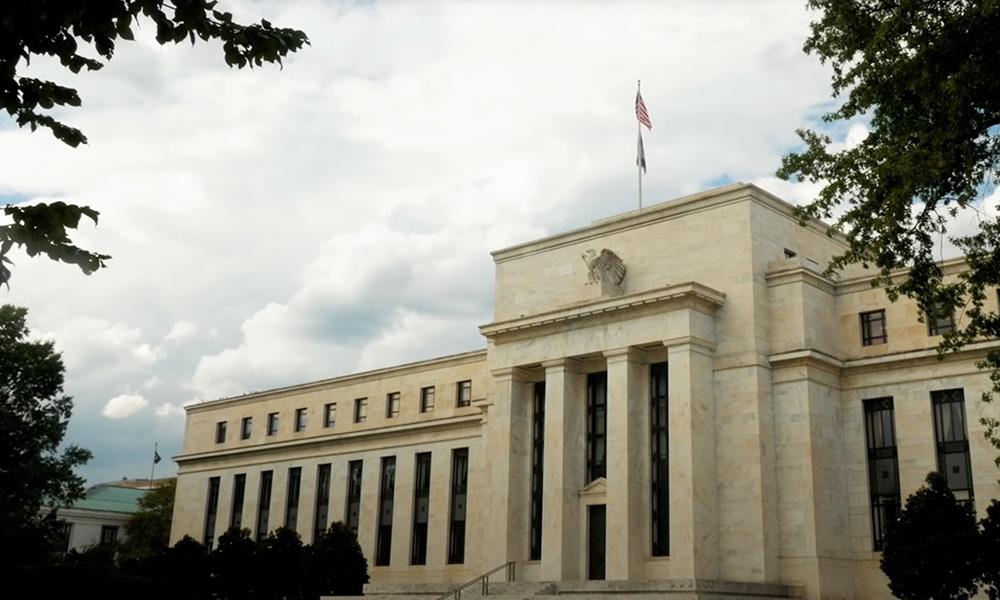
On Tuesday, April 21, 2026, Warsh testified at his confirmation hearing before the Senate Banking, Housing, and Urban Affairs Committee in Washington, D.C. During the hearing and in his subsequent responses, Warsh clarified that the Federal Reserve should be "completely independent" in setting monetary policy, but was willing to cooperate with Congress and the Trump administration on "non-monetary policy matters." He also specifically mentioned that "Federal Reserve officials do not have the same special respect in areas affecting international finance." Furthermore, he frequently referenced a new "Federal Reserve-Treasury Agreement," implying that it would regulate the Federal Reserve's balance sheet, but specific details remained unclear.
The confusion and potential concerns of a former Federal Reserve official
Six former Federal Reserve officials expressed confusion and even concern regarding Warsh's remarks. They believe that Warsh's comments, at best, were vague, and at worst, posed a significant risk—if his views went to extremes, they could limit the Fed's ability to use its balance sheet during a crisis, and the balance sheet is one of the Fed's core tools for responding to financial turmoil and stabilizing markets. Due to the lack of clarity in his statements, none of these former officials have reached a definitive conclusion.
Former Richmond Fed President Jeffrey Lacker (a hawk) stated that he would welcome a new agreement that would allow the Fed to focus on monetary policy and delegate credit policy to the Treasury, but he also worried that the agreement could allow the Treasury to use the Fed's balance sheet to bypass Congress, undermining its independence. Another anonymous former senior Fed official bluntly stated that, following Warsh's logic, the Fed could lose control of its balance sheet. Warsh has declined to comment on these questions, and his definition of "monetary policy versus non-monetary policy" remains unclear, only indicating that he might elaborate further after Senate confirmation.
The controversy surrounding currency swap limits and balance sheets
A key challenge for Federal Reserve watchers is the blurred line between a central bank's monetary and non-monetary functions, with currency swap lines falling into this gray area. This tool, primarily used during financial crises, requires approval from the Federal Open Market Committee (FOMC), which sets monetary policy, and its use increases the size of the Fed's balance sheet—according to Harvard Analytics, swap lines added nearly $600 billion (25% of the total at the time) to the Fed's balance sheet during the global financial crisis, and peaked at $450 billion during the COVID-19 pandemic. Currently, Gulf states, including the UAE, have requested swap lines. It remains unclear whether Finance Secretary Scott Bessant wants the Fed to provide such lines, and Walsh did not directly answer the question of whether the Fed must comply with the Treasury's wishes.
Former Federal Reserve officials worry that providing swap lines to Gulf countries that do not need to deal with a dollar liquidity crisis could become a political judgment rather than a professional market decision, or even turn the Fed's balance sheet into a "foreign aid tool." Furthermore, Warsh's proposed revised "Fed-Treasury Agreement" could regulate the size and composition of the balance sheet, which contradicts the view of most Fed officials that "balance sheet policy is an important component of monetary policy." If the agreement requires the Fed to obtain Treasury approval before purchasing assets, it will severely limit its flexibility in crisis response.
The relationship between the Federal Reserve and the Treasury and its future direction
Both Warsh and Bessant criticized the Federal Reserve's balance sheet as being too large during non-crisis periods. Warsh even resigned as a Federal Reserve governor in 2011 in opposition to the Fed's decision not to shrink its balance sheet. Bessant likened the Fed's expansion of its balance sheet to a "dangerous laboratory experiment," arguing that it encroached on the Treasury's power. Both agreed on the idea that "some matters should be the responsibility of the Treasury," but Bessant was unclear about the specific meaning of the "Fed-Treasury agreement" mentioned by Warsh.
The former Federal Reserve official's biggest concern was that if the Treasury could order the Fed to buy specific assets, it would lead to a loss of its independence, trigger panic in the bond market, and be seen as "financing the deficit" or "allocating credit to industries favored by politicians."
Former St. Louis Fed President Jim Bullard warned that "close cooperation" between the Fed and the Treasury often leads to bad results; former Boston Fed President Eric Rosengren pointed out that if fiscal policy responds slowly during a crisis, a constrained balance sheet will hinder the flexibility of monetary policy.
However, JPMorgan Chase points out that the other 11 members of the Federal Open Market Committee will check Warsh's rapid policy shifts, and Warsh may believe that proactively relinquishing non-core responsibilities is the only way to ensure the Fed's core interest rate-setting business remains independent and free from interference by the nominated president. He also hinted at the hearing: "Presidents want lower interest rates, but the Fed's independence depends on..."
On Tuesday, April 21, 2026, Warsh testified at his confirmation hearing before the Senate Banking, Housing, and Urban Affairs Committee in Washington, D.C. During the hearing and in his subsequent responses, Warsh clarified that the Federal Reserve should be "completely independent" in setting monetary policy, but was willing to cooperate with Congress and the Trump administration on "non-monetary policy matters." He also specifically mentioned that "Federal Reserve officials do not have the same special respect in areas affecting international finance." Furthermore, he frequently referenced a new "Federal Reserve-Treasury Agreement," implying that it would regulate the Federal Reserve's balance sheet, but specific details remained unclear.
The confusion and potential concerns of a former Federal Reserve official
Six former Federal Reserve officials expressed confusion and even concern regarding Warsh's remarks. They believe that Warsh's comments, at best, were vague, and at worst, posed a significant risk—if his views went to extremes, they could limit the Fed's ability to use its balance sheet during a crisis, and the balance sheet is one of the Fed's core tools for responding to financial turmoil and stabilizing markets. Due to the lack of clarity in his statements, none of these former officials have reached a definitive conclusion.
Former Richmond Fed President Jeffrey Lacker (a hawk) stated that he would welcome a new agreement that would allow the Fed to focus on monetary policy and delegate credit policy to the Treasury, but he also worried that the agreement could allow the Treasury to use the Fed's balance sheet to bypass Congress, undermining its independence. Another anonymous former senior Fed official bluntly stated that, following Warsh's logic, the Fed could lose control of its balance sheet. Warsh has declined to comment on these questions, and his definition of "monetary policy versus non-monetary policy" remains unclear, only indicating that he might elaborate further after Senate confirmation.
The controversy surrounding currency swap limits and balance sheets
A key challenge for Federal Reserve watchers is the blurred line between a central bank's monetary and non-monetary functions, with currency swap lines falling into this gray area. This tool, primarily used during financial crises, requires approval from the Federal Open Market Committee (FOMC), which sets monetary policy, and its use increases the size of the Fed's balance sheet—according to Harvard Analytics, swap lines added nearly $600 billion (25% of the total at the time) to the Fed's balance sheet during the global financial crisis, and peaked at $450 billion during the COVID-19 pandemic. Currently, Gulf states, including the UAE, have requested swap lines. It remains unclear whether Finance Secretary Scott Bessant wants the Fed to provide such lines, and Walsh did not directly answer the question of whether the Fed must comply with the Treasury's wishes.
Former Federal Reserve officials worry that providing swap lines to Gulf countries that do not need to deal with a dollar liquidity crisis could become a political judgment rather than a professional market decision, or even turn the Fed's balance sheet into a "foreign aid tool." Furthermore, Warsh's proposed revised "Fed-Treasury Agreement" could regulate the size and composition of the balance sheet, which contradicts the view of most Fed officials that "balance sheet policy is an important component of monetary policy." If the agreement requires the Fed to obtain Treasury approval before purchasing assets, it will severely limit its flexibility in crisis response.
The relationship between the Federal Reserve and the Treasury and its future direction
Both Warsh and Bessant criticized the Federal Reserve's balance sheet as being too large during non-crisis periods. Warsh even resigned as a Federal Reserve governor in 2011 in opposition to the Fed's decision not to shrink its balance sheet. Bessant likened the Fed's expansion of its balance sheet to a "dangerous laboratory experiment," arguing that it encroached on the Treasury's power. Both agreed on the idea that "some matters should be the responsibility of the Treasury," but Bessant was unclear about the specific meaning of the "Fed-Treasury agreement" mentioned by Warsh.
The former Federal Reserve official's biggest concern was that if the Treasury could order the Fed to buy specific assets, it would lead to a loss of its independence, trigger panic in the bond market, and be seen as "financing the deficit" or "allocating credit to industries favored by politicians."
Former St. Louis Fed President Jim Bullard warned that "close cooperation" between the Fed and the Treasury often leads to bad results; former Boston Fed President Eric Rosengren pointed out that if fiscal policy responds slowly during a crisis, a constrained balance sheet will hinder the flexibility of monetary policy.
However, JPMorgan Chase points out that the other 11 members of the Federal Open Market Committee will check Warsh's rapid policy shifts, and Warsh may believe that proactively relinquishing non-core responsibilities is the only way to ensure the Fed's core interest rate-setting business remains independent and free from interference by the nominated president. He also hinted at the hearing: "Presidents want lower interest rates, but the Fed's independence depends on..."
- Risk Warning and Disclaimer
- The market involves risk, and trading may not be suitable for all investors. This article is for reference only and does not constitute personal investment advice, nor does it take into account certain users’ specific investment objectives, financial situation, or other needs. Any investment decisions made based on this information are at your own risk.