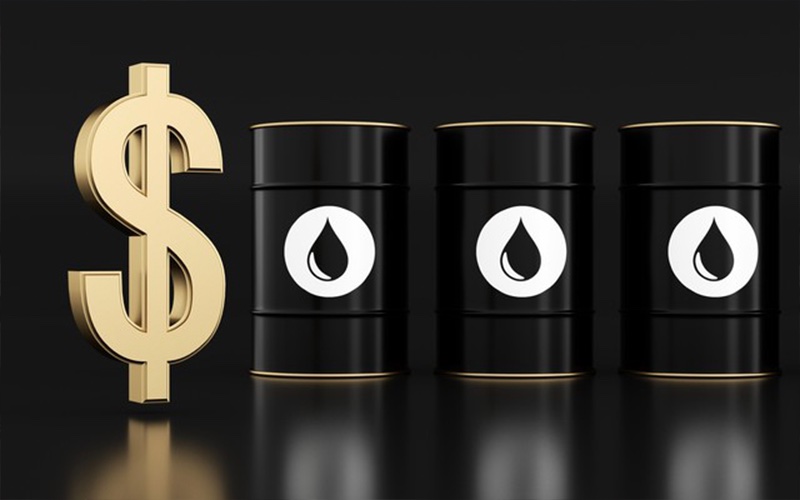
A senior European Central Bank official warned that the escalating energy shock from the Middle East conflict may necessitate interest rate adjustments.
2026-05-07 14:45:34
European Central Bank (ECB) Executive Board member Piero Cipollone said on May 6 that the ECB may need to adjust its policy rates if the energy shock triggered by Iran and the Middle East conflict intensifies further. He warned that this would be the second major energy shock in four years, potentially pushing inflation above the ECB's 2% target.
In his keynote speech at the 2026 Sustainable Development Festival in Milan, Cipolloné pointed out that after a period of hard-won price stability and strong growth, the Eurozone economy is once again facing severe challenges. Previously, inflation had returned to target levels, real incomes had recovered from the last energy shock, and domestic demand within the Eurozone had partially offset the drag from increased US tariffs and a surge in imports from major Asian countries. However, the Middle East conflict has disrupted energy flows, and the closure of the Strait of Hormuz has begun to severely impact global supply chains.
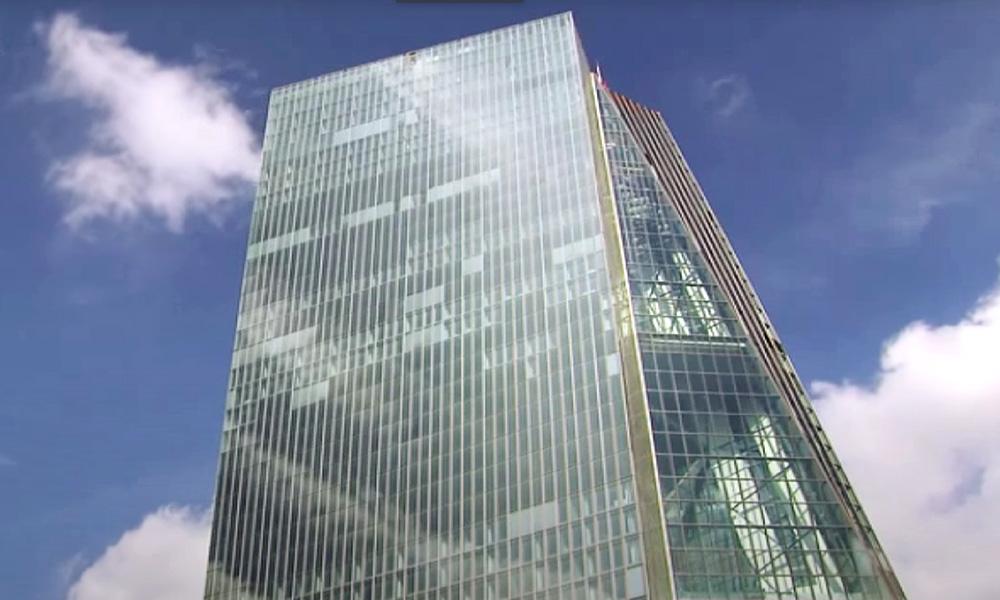
Eurozone inflation rose to 3% in April, driven mainly by a 10.9% increase in energy prices, while core inflation, excluding energy, fell to 2.2%. Eurozone GDP grew by only 0.1% quarter-on-quarter in the first quarter, below the European Central Bank's expectations.
Cipolone stated that the short-term impact of this conflict on global oil supplies exceeds the combined impact of the energy crises of 1973, 1979, and 2022. Even after diversions and the release of strategic reserves, the net supply reduction is estimated at approximately 12 million barrels per day, equivalent to about 11% of pre-war global supply. Restoring production will take time because major oil facilities have been damaged. Natural gas prices have risen, but the increase is far less than after the 2022 Russia-Ukraine conflict.
The closure of the Strait of Hormuz also affected trade in liquefied natural gas, refined petroleum products, aluminum, helium, sulfur, and fertilizers. Delivery times were longer and input costs increased, but the overall level of disruption was still lower than in the 2021-2022 period.
Europe may begin experiencing shortages of aviation fuel and kerosene reserves by the end of May, which could trigger restrictions on industrial activity similar to those implemented during the COVID-19 pandemic.
The European Central Bank system is addressing this shock through various economic scenarios. In the adverse scenario, oil prices will rise to $119 per barrel and natural gas prices to €87 per megawatt-hour by the second quarter of 2026, with cumulative inflation 1.5 percentage points higher than the December 2025 forecast and economic growth 0.8 percentage points lower. In the severe scenario, peak oil prices will reach $145 per barrel and natural gas prices to €106 per megawatt-hour, with cumulative inflation 6.3 percentage points higher than previously forecast.
He stated that the current situation appears to be deviating from the baseline forecast in March, increasing the likelihood of an interest rate adjustment. Currently, short-term inflation expectations, non-labor input costs, and business sales price expectations have all risen, but medium-term inflation expectations remain stable.
According to the European Central Bank's bank lending survey, credit standards for corporate loans tightened in the first quarter, and banks expect further tightening in the next quarter. Consumer confidence has fallen sharply, and business investment is expected to be impacted. Historically, European companies have typically cut capital and R&D spending more drastically than their American counterparts after oil shocks.
However, household finances, a relatively stable labor market, and government spending on defense and infrastructure will help cushion the impact. Cipolone emphasized that fiscal measures should remain temporary, targeted, and precise, focusing on supporting the most vulnerable households and sectors to avoid pushing up long-term yields.
Cipolone also urged an accelerated energy transition in Europe. Currently, fossil fuels still account for more than half of the EU's energy mix, but renewable energy now accounts for 48% of electricity production, and nuclear power for 23%. Since 2015, Europe's energy intensity has decreased by 32%, and is now below the level in Asia. The International Monetary Fund estimates that improvements in energy efficiency and a cleaner energy mix in Europe have reduced the cost of the current shocks to households by 12%.
European Commission President Ursula von der Leyen stated that the EU has spent an additional €27 billion on fossil fuel imports since the outbreak of the conflict with Iran. Cipolone called for further integration of the European energy market, promoting more ambitious grid interconnection projects beyond the "European Grid Plan," and, referencing Draghi's report, co-financing some of the necessary investments.
Overall , the energy crisis triggered by the Middle East conflict is posing multiple challenges to the Eurozone economy, and the future direction of the European Central Bank's monetary policy will depend on the duration and severity of the energy shock.
In his keynote speech at the 2026 Sustainable Development Festival in Milan, Cipolloné pointed out that after a period of hard-won price stability and strong growth, the Eurozone economy is once again facing severe challenges. Previously, inflation had returned to target levels, real incomes had recovered from the last energy shock, and domestic demand within the Eurozone had partially offset the drag from increased US tariffs and a surge in imports from major Asian countries. However, the Middle East conflict has disrupted energy flows, and the closure of the Strait of Hormuz has begun to severely impact global supply chains.
Inflation rebounds while economic growth slows
Eurozone inflation rose to 3% in April, driven mainly by a 10.9% increase in energy prices, while core inflation, excluding energy, fell to 2.2%. Eurozone GDP grew by only 0.1% quarter-on-quarter in the first quarter, below the European Central Bank's expectations.
Cipolone stated that the short-term impact of this conflict on global oil supplies exceeds the combined impact of the energy crises of 1973, 1979, and 2022. Even after diversions and the release of strategic reserves, the net supply reduction is estimated at approximately 12 million barrels per day, equivalent to about 11% of pre-war global supply. Restoring production will take time because major oil facilities have been damaged. Natural gas prices have risen, but the increase is far less than after the 2022 Russia-Ukraine conflict.
The closure of the Strait of Hormuz also affected trade in liquefied natural gas, refined petroleum products, aluminum, helium, sulfur, and fertilizers. Delivery times were longer and input costs increased, but the overall level of disruption was still lower than in the 2021-2022 period.
Europe may begin experiencing shortages of aviation fuel and kerosene reserves by the end of May, which could trigger restrictions on industrial activity similar to those implemented during the COVID-19 pandemic.
The impact varies greatly under different scenarios.
The European Central Bank system is addressing this shock through various economic scenarios. In the adverse scenario, oil prices will rise to $119 per barrel and natural gas prices to €87 per megawatt-hour by the second quarter of 2026, with cumulative inflation 1.5 percentage points higher than the December 2025 forecast and economic growth 0.8 percentage points lower. In the severe scenario, peak oil prices will reach $145 per barrel and natural gas prices to €106 per megawatt-hour, with cumulative inflation 6.3 percentage points higher than previously forecast.
He stated that the current situation appears to be deviating from the baseline forecast in March, increasing the likelihood of an interest rate adjustment. Currently, short-term inflation expectations, non-labor input costs, and business sales price expectations have all risen, but medium-term inflation expectations remain stable.
Credit tightening and consumer confidence declining
According to the European Central Bank's bank lending survey, credit standards for corporate loans tightened in the first quarter, and banks expect further tightening in the next quarter. Consumer confidence has fallen sharply, and business investment is expected to be impacted. Historically, European companies have typically cut capital and R&D spending more drastically than their American counterparts after oil shocks.
However, household finances, a relatively stable labor market, and government spending on defense and infrastructure will help cushion the impact. Cipolone emphasized that fiscal measures should remain temporary, targeted, and precise, focusing on supporting the most vulnerable households and sectors to avoid pushing up long-term yields.
Calls to accelerate energy transition
Cipolone also urged an accelerated energy transition in Europe. Currently, fossil fuels still account for more than half of the EU's energy mix, but renewable energy now accounts for 48% of electricity production, and nuclear power for 23%. Since 2015, Europe's energy intensity has decreased by 32%, and is now below the level in Asia. The International Monetary Fund estimates that improvements in energy efficiency and a cleaner energy mix in Europe have reduced the cost of the current shocks to households by 12%.
European Commission President Ursula von der Leyen stated that the EU has spent an additional €27 billion on fossil fuel imports since the outbreak of the conflict with Iran. Cipolone called for further integration of the European energy market, promoting more ambitious grid interconnection projects beyond the "European Grid Plan," and, referencing Draghi's report, co-financing some of the necessary investments.
Overall , the energy crisis triggered by the Middle East conflict is posing multiple challenges to the Eurozone economy, and the future direction of the European Central Bank's monetary policy will depend on the duration and severity of the energy shock.
- Risk Warning and Disclaimer
- The market involves risk, and trading may not be suitable for all investors. This article is for reference only and does not constitute personal investment advice, nor does it take into account certain users’ specific investment objectives, financial situation, or other needs. Any investment decisions made based on this information are at your own risk.