Gold Trading Alert: US-Iran Talks Collapse Again! Oil Prices Surge $3, Gold Prices Gap Nearly $40; This Week's Focus is on US CPI
2026-05-11 07:31:53
The news that the US and Iran failed to reach an agreement on a peace proposal was like a bombshell, directly triggering the energy market and severely damaging safe-haven demand for gold. Spot gold opened sharply lower on Monday (May 11), falling nearly $40 to $4,678.91 per ounce at one point, while West Texas Intermediate (WTI) crude oil opened significantly higher, rising by more than 3.66% to reach $98.85 per barrel. On the surface, this is a seesaw effect of assets triggered by geopolitical conflict, but at a deeper level, it is a triple game of global inflation expectations, the dollar's performance, and expectations for Federal Reserve policy.
The core of the current situation lies in the ongoing tensions in the Strait of Hormuz. Although Qatari oil tankers and Panamanian bulk carriers successfully passed through with Iranian approval, the U.S. Central Command has made it clear that more than 20 U.S. warships are participating in the maritime blockade of Iran, forcing 61 merchant ships to change course and disabling four vessels . This tough stance has rapidly escalated market concerns about global oil supply.
Iran's stance was equally firm. Iranian media, citing sources, stated that Iran would only formulate plans to protect the rights of its own people and would never compromise to appease the United States. Trump, on social media, directly called Iran's response "completely unacceptable" and rejected Iran's core demands, including war reparations, lifting sanctions, ending the blockade, and confirming Iran's sovereignty over the Strait of Hormuz. The vast difference in the two sides' positions makes any hope of reaching a ceasefire in the short term slim.
At this crucial juncture, with Trump's upcoming visit to China, external pressure to end the Middle East wars has increased significantly. However, his weekend remarks remained tough: "They have been defeated, but that doesn't mean they are finished." Meanwhile, hostile drones continue to frequently appear over several Gulf states, and the conflict between Israel and Hezbollah in Lebanon has not subsided. These signals collectively point to the fact that geopolitical risks have not truly subsided, but have entered a new phase of stalemate.
Gold prices rose last week on optimistic expectations for US-Iran peace talks, with spot gold gaining 2.15% and closing near $4,715 at one point. However, after the situation reversed on Monday, gold prices quickly gapped down. This "rise on expectation, fall on reality" pattern highlights that gold is currently more like a "risk asset" than a traditional safe-haven asset.
High oil prices have directly pushed up global inflation expectations. Rising energy costs will be transmitted to multiple sectors, including transportation and manufacturing, further exacerbating market concerns about the Federal Reserve maintaining high interest rates or even delaying rate cuts. This has supported the US dollar index, while non-interest-bearing gold faces holding cost pressures. Furthermore, the better-than-expected US non-farm payroll data for April (115,000 new jobs added, unemployment rate stable at 4.3%) has strengthened the resilience of the labor market and reduced the likelihood of significant easing by the Federal Reserve this year.
Analysts point out that gold's current trading logic is highly tied to the prospect of an easing tension in Iran. When energy prices fall and inflation concerns ease, expectations of interest rate cuts rise, which easily supports gold; conversely, it faces selling pressure. This week's sharp drop in gold prices is a direct reflection of this logic.
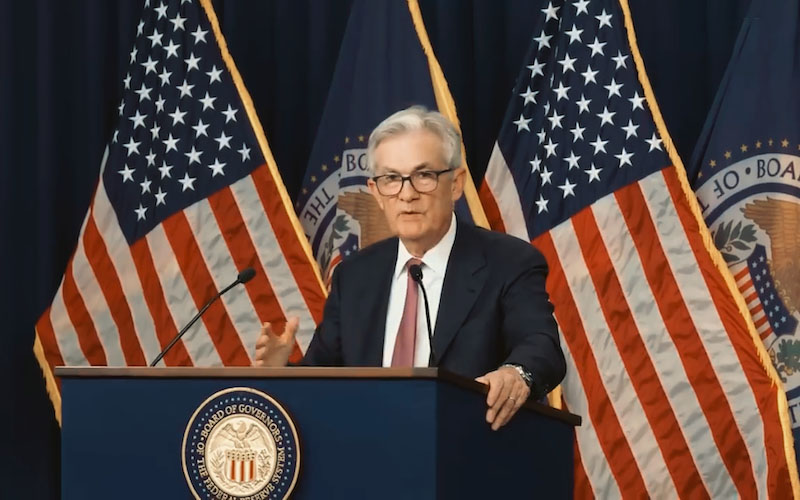
The market is currently at a critical juncture in the transition of Federal Reserve leadership. Jerome Powell's term is coming to an end, and Kevin Warsh will take over as chairman on May 15. Warsh is seen by the market as a relatively dovish official, and his appointment may, to some extent, boost market expectations for future monetary easing.
The upcoming US April CPI and PPI data will be the focus this week. If the CPI data is below 3.0%, the US dollar may weaken, real yields may decline, and gold may challenge the resistance around $4764 and further advance towards the $4828-$4887 range. If the CPI data is strong (above 3.5%), it will reinforce the Fed's hawkish stance, and gold may retrace to the $4630-$4666 support area.
Furthermore, the consumer confidence index has fallen to a historic low of 48.2 due to rising gasoline prices, reflecting the real drag on the real economy from high oil prices. In the long term, if geopolitical conflicts cannot be resolved quickly, persistently high oil prices will continue to test the resilience of the global economy and provide potential safe-haven support for gold.
Given the current situation, gold will likely face some downward pressure in the short term. The risk premium resulting from the breakdown of US-Iran peace talks has flowed more towards crude oil and the US dollar than towards gold. However, this divergence is not irreversible. Once there is substantial progress on the ceasefire, oil prices fall, or the Federal Reserve signals marginal easing of policy, gold's rebound momentum will quickly return.
From a longer-term perspective, geopolitical uncertainties, high global debt levels, and central bank gold purchases continue to support gold's strategic allocation value. While gold prices have currently seen a pullback, as long as key support levels hold, there is still potential for upward movement amidst recurring risk events.
Overall, the recent flash crash in gold prices is a result of a reversal in geopolitical conflict expectations and a convergence of macroeconomic data. Investors need to closely monitor this week's US inflation data, subsequent statements from the US and Iran, and potential diplomatic developments during Trump's visit to China. For the gold market, short-term volatility has increased, but the medium- to long-term logic remains intact.
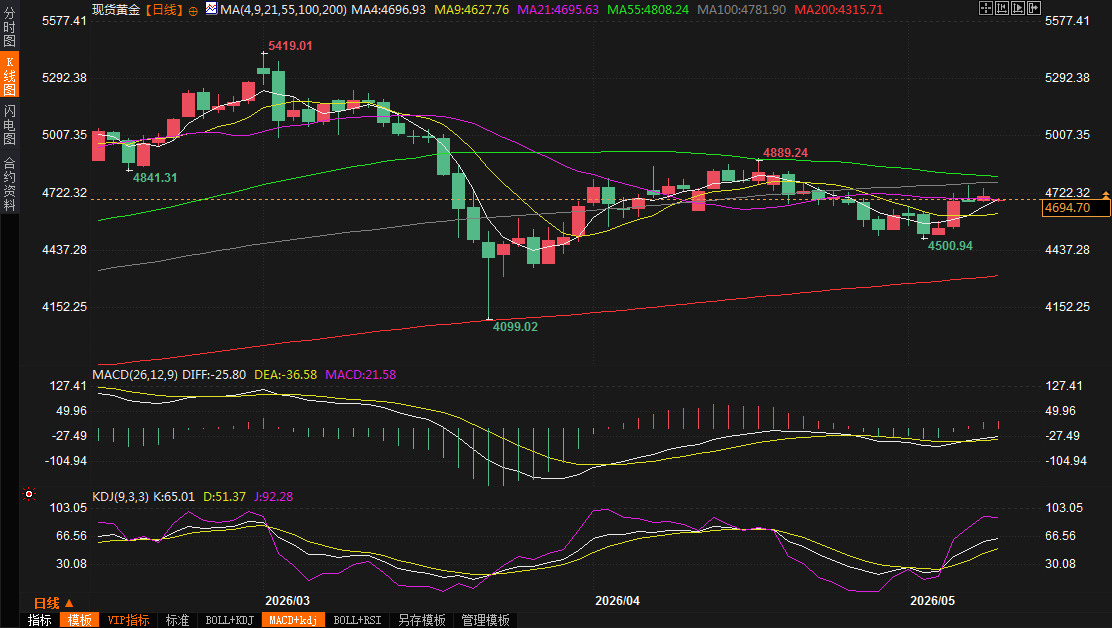
(Spot gold daily chart, source: FX678)
At 07:30 Beijing time, spot gold was trading at $46,945.53 per ounce.
Conflict Resurgence: Strait of Hormuz Becomes Global Energy "Throat"
The core of the current situation lies in the ongoing tensions in the Strait of Hormuz. Although Qatari oil tankers and Panamanian bulk carriers successfully passed through with Iranian approval, the U.S. Central Command has made it clear that more than 20 U.S. warships are participating in the maritime blockade of Iran, forcing 61 merchant ships to change course and disabling four vessels . This tough stance has rapidly escalated market concerns about global oil supply.
Iran's stance was equally firm. Iranian media, citing sources, stated that Iran would only formulate plans to protect the rights of its own people and would never compromise to appease the United States. Trump, on social media, directly called Iran's response "completely unacceptable" and rejected Iran's core demands, including war reparations, lifting sanctions, ending the blockade, and confirming Iran's sovereignty over the Strait of Hormuz. The vast difference in the two sides' positions makes any hope of reaching a ceasefire in the short term slim.
At this crucial juncture, with Trump's upcoming visit to China, external pressure to end the Middle East wars has increased significantly. However, his weekend remarks remained tough: "They have been defeated, but that doesn't mean they are finished." Meanwhile, hostile drones continue to frequently appear over several Gulf states, and the conflict between Israel and Hezbollah in Lebanon has not subsided. These signals collectively point to the fact that geopolitical risks have not truly subsided, but have entered a new phase of stalemate.
The immediate trigger for the gold price crash: the triple pressure from oil prices, inflation, and the US dollar.
Gold prices rose last week on optimistic expectations for US-Iran peace talks, with spot gold gaining 2.15% and closing near $4,715 at one point. However, after the situation reversed on Monday, gold prices quickly gapped down. This "rise on expectation, fall on reality" pattern highlights that gold is currently more like a "risk asset" than a traditional safe-haven asset.
High oil prices have directly pushed up global inflation expectations. Rising energy costs will be transmitted to multiple sectors, including transportation and manufacturing, further exacerbating market concerns about the Federal Reserve maintaining high interest rates or even delaying rate cuts. This has supported the US dollar index, while non-interest-bearing gold faces holding cost pressures. Furthermore, the better-than-expected US non-farm payroll data for April (115,000 new jobs added, unemployment rate stable at 4.3%) has strengthened the resilience of the labor market and reduced the likelihood of significant easing by the Federal Reserve this year.
Analysts point out that gold's current trading logic is highly tied to the prospect of an easing tension in Iran. When energy prices fall and inflation concerns ease, expectations of interest rate cuts rise, which easily supports gold; conversely, it faces selling pressure. This week's sharp drop in gold prices is a direct reflection of this logic.
Macroeconomic Background: The Long-Term Game Between the Fed's Policy Shift and Gold
The market is currently at a critical juncture in the transition of Federal Reserve leadership. Jerome Powell's term is coming to an end, and Kevin Warsh will take over as chairman on May 15. Warsh is seen by the market as a relatively dovish official, and his appointment may, to some extent, boost market expectations for future monetary easing.
The upcoming US April CPI and PPI data will be the focus this week. If the CPI data is below 3.0%, the US dollar may weaken, real yields may decline, and gold may challenge the resistance around $4764 and further advance towards the $4828-$4887 range. If the CPI data is strong (above 3.5%), it will reinforce the Fed's hawkish stance, and gold may retrace to the $4630-$4666 support area.
Furthermore, the consumer confidence index has fallen to a historic low of 48.2 due to rising gasoline prices, reflecting the real drag on the real economy from high oil prices. In the long term, if geopolitical conflicts cannot be resolved quickly, persistently high oil prices will continue to test the resilience of the global economy and provide potential safe-haven support for gold.
Gold Outlook: Short-term pressure, but still has long-term investment value.
Given the current situation, gold will likely face some downward pressure in the short term. The risk premium resulting from the breakdown of US-Iran peace talks has flowed more towards crude oil and the US dollar than towards gold. However, this divergence is not irreversible. Once there is substantial progress on the ceasefire, oil prices fall, or the Federal Reserve signals marginal easing of policy, gold's rebound momentum will quickly return.
From a longer-term perspective, geopolitical uncertainties, high global debt levels, and central bank gold purchases continue to support gold's strategic allocation value. While gold prices have currently seen a pullback, as long as key support levels hold, there is still potential for upward movement amidst recurring risk events.
Overall, the recent flash crash in gold prices is a result of a reversal in geopolitical conflict expectations and a convergence of macroeconomic data. Investors need to closely monitor this week's US inflation data, subsequent statements from the US and Iran, and potential diplomatic developments during Trump's visit to China. For the gold market, short-term volatility has increased, but the medium- to long-term logic remains intact.
(Spot gold daily chart, source: FX678)
At 07:30 Beijing time, spot gold was trading at $46,945.53 per ounce.
- Risk Warning and Disclaimer
- The market involves risk, and trading may not be suitable for all investors. This article is for reference only and does not constitute personal investment advice, nor does it take into account certain users’ specific investment objectives, financial situation, or other needs. Any investment decisions made based on this information are at your own risk.