The US-Iran standoff and soaring oil prices have increased the probability of a June rate hike to 60%.
2026-05-11 17:00:29
On Monday (May 11) during the European session, the yen weakened against a basket of major and minor currencies. Investors turned to the US dollar as a safe-haven asset due to concerns about a renewed conflict with Iran, causing the yen to move further away from its three-month high against the dollar. This movement occurred against the backdrop of the United States formally rejecting Iran's response to a US peace proposal.
With global oil prices rising, markets are again concerned about increasing inflationary pressures facing the Bank of Japan policymakers, which could prompt a rate hike in the near term. However, specific actions still await further data guidance from the world's fourth-largest economy.
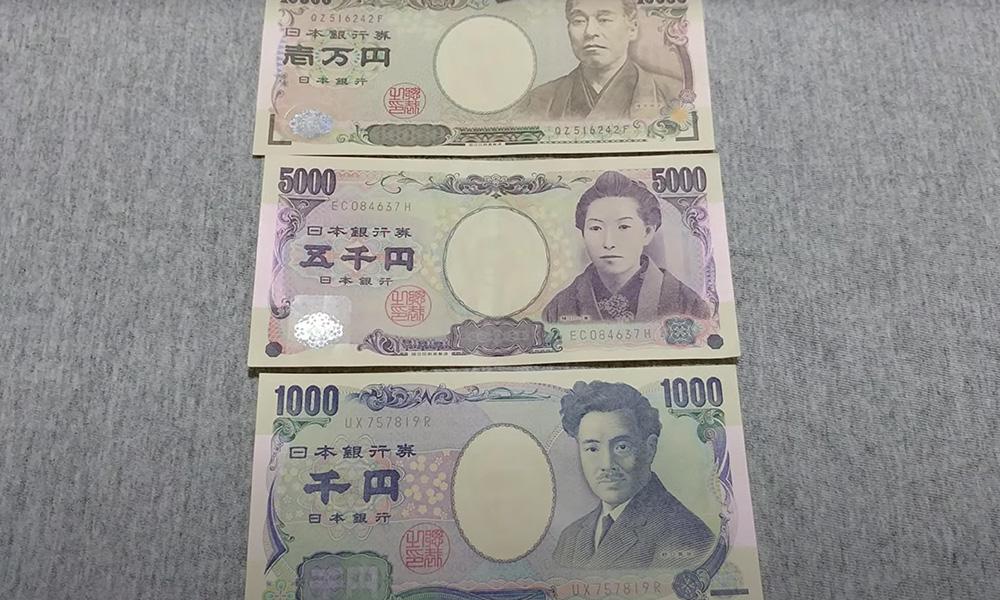
The dollar rose about 0.3% against the yen today, reaching 157.12 yen, after opening at 156.55 yen. The dollar index rose about 0.11% on Monday, resuming its gains that were halted last Friday, reflecting the dollar's strength against a basket of global currencies.
US President Trump announced on social media that he completely rejected Iran's response, delivered through Pakistani mediators. According to Iranian media reports, Iran's proposal included: ending the war on all fronts (including Lebanon), lifting the US naval blockade of Iranian ports, allowing Iran control of the Strait of Hormuz, and receiving war reparations in exchange for subsequent negotiations on the nuclear issue. Iranian President Masoud Pezechiyan stated firmly that Iran "will not bow to its enemies" and emphasized that negotiations did not mean succumbing to "Trump's greed." Israeli Prime Minister Benjamin Netanyahu stated in a television interview that the war continues because "there is still much work to be done to end it."
Global oil prices jumped more than 5% at the opening on Monday, nearing multi-week highs, amid market concerns about the continued closure of the Strait of Hormuz and ongoing disruptions to oil supplies. The rise in oil prices has undoubtedly reignited market fears of accelerating inflation, which could prompt global central banks to raise interest rates in the near term—a dramatic shift from pre-war market expectations of rate cuts or prolonged interest rate stabilization.
With rising oil prices, the market has priced in a 25-basis-point rate hike by the Bank of Japan at its June meeting, up from 55% to 60%. To recalibrate these probabilities, investors are awaiting the release of more data on Japanese inflation, unemployment, and wage levels.
In its May 8 report, ING noted that despite the continued uncertainty surrounding the situation in the Middle East, real wages in Japan rose for the third consecutive month in March, and the more than 5% increase in wages following the Shunto wage negotiations increased the likelihood of an interest rate hike in June.
Strategists at Daiwa Securities point out that the Bank of Japan may raise interest rates in tandem with the Ministry of Finance's intervention in the foreign exchange market, similar to the operational patterns of 2022 and 2024. It is worth noting whether US Treasury Secretary Bessenter will mention the need for the Bank of Japan to tighten monetary policy to help stabilize the foreign exchange market during his visit to Japan this week.
Goldman Sachs strategists raised their forecast for the yield on 10-year Japanese government bonds in their latest report, increasing their year-end target from 2.0% to 2.5% and their target for next year to 2.25%. Goldman Sachs believes that domestic inflationary pressures, fiscal risks, and the global yield-upward environment are collectively driving the middle section of the yield curve into a major point of pressure.
In summary, the core contradiction in the current yen's movement lies in the tug-of-war between safe-haven flows to the US dollar driven by geopolitical risks (weak for the yen) and rising oil prices boosting expectations of interest rate hikes (positive for the yen). In the short term, safe-haven sentiment dominates, putting downward pressure on the yen. However, with the probability of a June rate hike rising to 60%, if subsequent Japanese inflation data continues to exceed expectations, the yen may have a chance to rebound. The market will closely monitor the Bank of Japan's policy signals and further developments in the US-Iran situation.
At 16:11 Beijing time on May 11, the USD/JPY exchange rate was 157.09/10.
With global oil prices rising, markets are again concerned about increasing inflationary pressures facing the Bank of Japan policymakers, which could prompt a rate hike in the near term. However, specific actions still await further data guidance from the world's fourth-largest economy.
The dollar rose about 0.3% against the yen today, reaching 157.12 yen, after opening at 156.55 yen. The dollar index rose about 0.11% on Monday, resuming its gains that were halted last Friday, reflecting the dollar's strength against a basket of global currencies.
US-Iran negotiations stalled
US President Trump announced on social media that he completely rejected Iran's response, delivered through Pakistani mediators. According to Iranian media reports, Iran's proposal included: ending the war on all fronts (including Lebanon), lifting the US naval blockade of Iranian ports, allowing Iran control of the Strait of Hormuz, and receiving war reparations in exchange for subsequent negotiations on the nuclear issue. Iranian President Masoud Pezechiyan stated firmly that Iran "will not bow to its enemies" and emphasized that negotiations did not mean succumbing to "Trump's greed." Israeli Prime Minister Benjamin Netanyahu stated in a television interview that the war continues because "there is still much work to be done to end it."
Global oil prices soar
Global oil prices jumped more than 5% at the opening on Monday, nearing multi-week highs, amid market concerns about the continued closure of the Strait of Hormuz and ongoing disruptions to oil supplies. The rise in oil prices has undoubtedly reignited market fears of accelerating inflation, which could prompt global central banks to raise interest rates in the near term—a dramatic shift from pre-war market expectations of rate cuts or prolonged interest rate stabilization.
Japanese interest rate outlook
With rising oil prices, the market has priced in a 25-basis-point rate hike by the Bank of Japan at its June meeting, up from 55% to 60%. To recalibrate these probabilities, investors are awaiting the release of more data on Japanese inflation, unemployment, and wage levels.
In its May 8 report, ING noted that despite the continued uncertainty surrounding the situation in the Middle East, real wages in Japan rose for the third consecutive month in March, and the more than 5% increase in wages following the Shunto wage negotiations increased the likelihood of an interest rate hike in June.
Strategists at Daiwa Securities point out that the Bank of Japan may raise interest rates in tandem with the Ministry of Finance's intervention in the foreign exchange market, similar to the operational patterns of 2022 and 2024. It is worth noting whether US Treasury Secretary Bessenter will mention the need for the Bank of Japan to tighten monetary policy to help stabilize the foreign exchange market during his visit to Japan this week.
Goldman Sachs strategists raised their forecast for the yield on 10-year Japanese government bonds in their latest report, increasing their year-end target from 2.0% to 2.5% and their target for next year to 2.25%. Goldman Sachs believes that domestic inflationary pressures, fiscal risks, and the global yield-upward environment are collectively driving the middle section of the yield curve into a major point of pressure.
In summary, the core contradiction in the current yen's movement lies in the tug-of-war between safe-haven flows to the US dollar driven by geopolitical risks (weak for the yen) and rising oil prices boosting expectations of interest rate hikes (positive for the yen). In the short term, safe-haven sentiment dominates, putting downward pressure on the yen. However, with the probability of a June rate hike rising to 60%, if subsequent Japanese inflation data continues to exceed expectations, the yen may have a chance to rebound. The market will closely monitor the Bank of Japan's policy signals and further developments in the US-Iran situation.
At 16:11 Beijing time on May 11, the USD/JPY exchange rate was 157.09/10.
- Risk Warning and Disclaimer
- The market involves risk, and trading may not be suitable for all investors. This article is for reference only and does not constitute personal investment advice, nor does it take into account certain users’ specific investment objectives, financial situation, or other needs. Any investment decisions made based on this information are at your own risk.