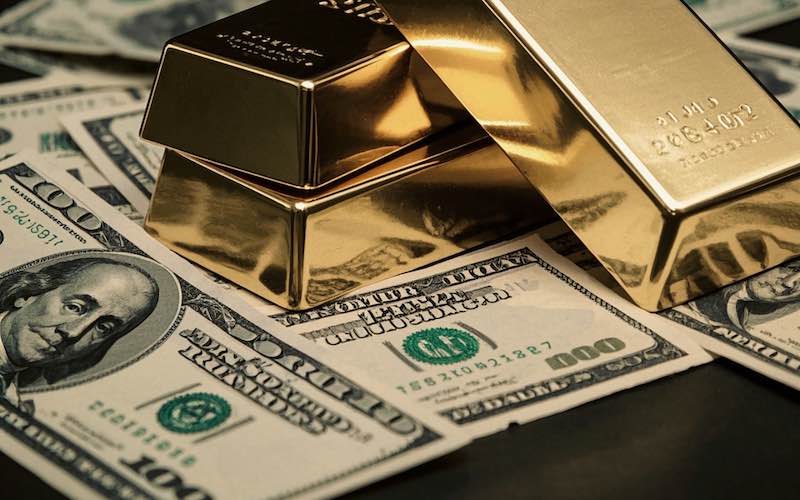
Silver prices breaking through $80/ounce reflects a structural shift in the global economy.
2026-05-13 01:36:56
Despite the ongoing threat of the war in Iran to the global economy, the silver market is regaining widespread investor attention, with prices breaking through the $80 per ounce mark again and market expectations for silver prices to approach $90 per ounce are growing.

This optimistic outlook stems from the strong rebound in silver prices earlier this week—silver prices rose 7% in a single week, climbing to around $87 per ounce at one point, the highest level in nine weeks. Although silver prices saw a slight pullback on Tuesday due to some technical selling pressure, they still retained most of Monday's gains; as of the latest trading data, spot silver was trading at $84.99 per ounce, down 1.15% on the day.
Some analysts say that the current price trend of silver is somewhat contradictory to the overall market environment: on the one hand, inflationary pressures are forcing central banks around the world to adopt hawkish monetary policy stances, which undoubtedly increases the opportunity cost of holding non-interest-bearing monetary assets such as gold and silver; on the other hand, the increasing economic uncertainty should suppress industrial consumption demand for silver, since the industrial sector is an important pillar of silver demand, and an economic downturn usually leads to a contraction in industrial production activities, thereby reducing the amount of silver purchased.
Despite these dual headwinds, other analysts point out that even in a potentially volatile market environment, several factors will continue to support silver prices. Analysts emphasize that the long-standing supply-demand imbalance in the silver market is a key driver of price increases and increased investor demand.
Last month, the Silver Institute released its annual silver survey report, conducted by Metals Focus, which predicted a global silver market supply deficit of 43 million ounces this year. This means that the precious metal will face a supply shortage for the sixth consecutive year.
Barbara Lambrecht, a commodities analyst at Commerzbank, said the decline in base metal production this year could further widen the silver supply gap. She added that the ongoing energy crisis triggered by the Iran war is severely impacting base metal production, and silver, as a byproduct of base metal production, is naturally affected.
"The relative strength of silver is most likely driven by the industrial metals market—silver's price movements are more significantly influenced by industrial demand than gold," she said.
Simon-Peter Massabni, head of business development at XS, pointed out that the current price performance of silver reflects a significant repricing of the precious metal by the market based on structural factors.
“These structural factors are no longer marginal; they have become the main forces reshaping silver’s position in the global financial system—silver is now not only a store of value, but also a multi-dimensional strategic asset,” he said in a report on Tuesday.
Massabuni further added that, given the persistent supply gap in the silver market, only by driving up prices can the market's supply and demand balance be restored. This is an inevitable trend of market self-regulation and the core path to alleviate supply tensions and match supply and demand.
At the same time, Massabuni stated that the changing economic environment is helping silver emerge from the "shadow" of gold and gradually establish its status as an independent monetary metal.
“In my view, the decline in the gold-to-silver price ratio from historical highs to a more balanced range reflects investors’ conscious reassessment of silver’s value—in the current uncertain market environment, investors are increasingly viewing silver as a higher-return investment option. This shift is not accidental, but stems from a deepening understanding of silver’s unique attributes: silver possesses both the value storage properties of a precious metal and the demand-supporting properties of an industrial asset. This rare dual characteristic gives it a unique competitive advantage in complex economic cycles,” he said.
Massabuni explained that rising sovereign debt levels and ongoing geopolitical tensions are driving investors to turn their attention to alternative assets such as silver.
“Even though there is temporary pressure from market expectations of rising interest rates, I believe these effects will be short-term and unlikely to change the overall upward trend in silver prices,” he said. “The question now is no longer whether silver will continue to rise, but how far this rally can extend in an increasingly volatile world that is increasingly dependent on strategic resources.”
This optimistic outlook stems from the strong rebound in silver prices earlier this week—silver prices rose 7% in a single week, climbing to around $87 per ounce at one point, the highest level in nine weeks. Although silver prices saw a slight pullback on Tuesday due to some technical selling pressure, they still retained most of Monday's gains; as of the latest trading data, spot silver was trading at $84.99 per ounce, down 1.15% on the day.
Some analysts say that the current price trend of silver is somewhat contradictory to the overall market environment: on the one hand, inflationary pressures are forcing central banks around the world to adopt hawkish monetary policy stances, which undoubtedly increases the opportunity cost of holding non-interest-bearing monetary assets such as gold and silver; on the other hand, the increasing economic uncertainty should suppress industrial consumption demand for silver, since the industrial sector is an important pillar of silver demand, and an economic downturn usually leads to a contraction in industrial production activities, thereby reducing the amount of silver purchased.
Despite these dual headwinds, other analysts point out that even in a potentially volatile market environment, several factors will continue to support silver prices. Analysts emphasize that the long-standing supply-demand imbalance in the silver market is a key driver of price increases and increased investor demand.
Last month, the Silver Institute released its annual silver survey report, conducted by Metals Focus, which predicted a global silver market supply deficit of 43 million ounces this year. This means that the precious metal will face a supply shortage for the sixth consecutive year.
Barbara Lambrecht, a commodities analyst at Commerzbank, said the decline in base metal production this year could further widen the silver supply gap. She added that the ongoing energy crisis triggered by the Iran war is severely impacting base metal production, and silver, as a byproduct of base metal production, is naturally affected.
"The relative strength of silver is most likely driven by the industrial metals market—silver's price movements are more significantly influenced by industrial demand than gold," she said.
Simon-Peter Massabni, head of business development at XS, pointed out that the current price performance of silver reflects a significant repricing of the precious metal by the market based on structural factors.
“These structural factors are no longer marginal; they have become the main forces reshaping silver’s position in the global financial system—silver is now not only a store of value, but also a multi-dimensional strategic asset,” he said in a report on Tuesday.
Massabuni further added that, given the persistent supply gap in the silver market, only by driving up prices can the market's supply and demand balance be restored. This is an inevitable trend of market self-regulation and the core path to alleviate supply tensions and match supply and demand.
At the same time, Massabuni stated that the changing economic environment is helping silver emerge from the "shadow" of gold and gradually establish its status as an independent monetary metal.
“In my view, the decline in the gold-to-silver price ratio from historical highs to a more balanced range reflects investors’ conscious reassessment of silver’s value—in the current uncertain market environment, investors are increasingly viewing silver as a higher-return investment option. This shift is not accidental, but stems from a deepening understanding of silver’s unique attributes: silver possesses both the value storage properties of a precious metal and the demand-supporting properties of an industrial asset. This rare dual characteristic gives it a unique competitive advantage in complex economic cycles,” he said.
Massabuni explained that rising sovereign debt levels and ongoing geopolitical tensions are driving investors to turn their attention to alternative assets such as silver.
“Even though there is temporary pressure from market expectations of rising interest rates, I believe these effects will be short-term and unlikely to change the overall upward trend in silver prices,” he said. “The question now is no longer whether silver will continue to rise, but how far this rally can extend in an increasingly volatile world that is increasingly dependent on strategic resources.”
- Risk Warning and Disclaimer
- The market involves risk, and trading may not be suitable for all investors. This article is for reference only and does not constitute personal investment advice, nor does it take into account certain users’ specific investment objectives, financial situation, or other needs. Any investment decisions made based on this information are at your own risk.