US April CPI increases market probability of interest rate hike, putting new Federal Reserve Chairman Warsh in a dilemma.
2026-05-13 10:19:06
On Tuesday (May 12), better-than-expected U.S. inflation data triggered a shock in the financial markets, with traders' expectations for Federal Reserve policy undergoing a fundamental reversal. They completely abandoned their hopes for interest rate cuts and instead bet on a rising probability of interest rate hikes.
The widely anticipated easing cycle has abruptly ended, coupled with soaring energy prices triggered by the Iran war, leading to persistently high inflationary pressures. This presents a significant challenge for incoming Federal Reserve Chairman Kevin Warsh. Caught between his own strong advocacy for interest rate cuts and hawkish market expectations amid high inflation, coupled with President Trump's push for further easing, Warsh faces a dilemma upon taking office, leaving the Fed's policy direction shrouded in uncertainty.
With the release of US inflation data for April, market expectations for Federal Reserve policy have undergone a dramatic reversal. Previously, traders still held a slight hope for an interest rate cut, but after this better-than-expected inflation report, data from CME Group's FedWatch tool showed that the market has almost completely ruled out any possibility of a rate cut between now and the end of 2027, effectively dashing expectations for a rate cut.
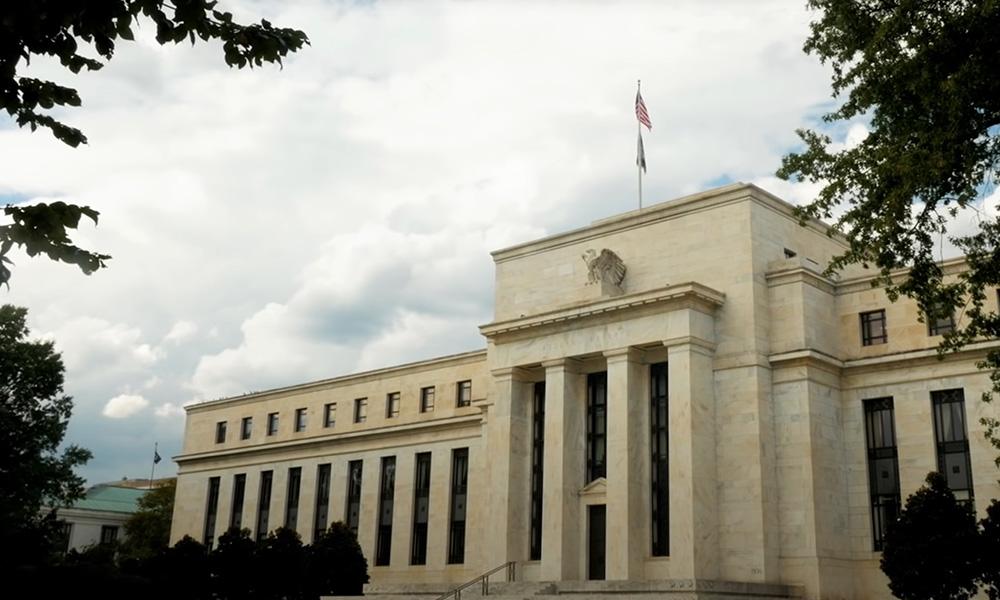
Conversely, market expectations for interest rate hikes have risen rapidly. Market pricing implies a 37% probability of a Fed rate hike before the end of the year, exceeding one-third. The core reason for this shift is that investors generally believe that the current cost of living pressures from inflation have outweighed concerns about a potential deterioration in the labor market, and the Fed's policy focus may shift from "stabilizing growth" to "curbing inflation."
The core driver of this unexpected inflation is the surge in energy prices triggered by the war with Iran. According to a report released Tuesday by the U.S. Bureau of Labor Statistics, energy prices have continued to soar since the outbreak of the war with Iran at the end of February. Energy alone has contributed more than 40% to the increase in the Consumer Price Index (CPI), directly pushing the overall inflation rate to its highest level in nearly three years.
It is worth noting that inflationary pressures have shown signs of spreading. Although most market-based inflation indicators had previously remained moderate, since the outbreak of the Iran war, the prices of derivatives such as forward contracts have continued to climb, with the latest levels approaching the highs seen since the fall of 2025, suggesting that market concerns about long-term inflation are intensifying.
Mark Zandi, chief economist at Moody's Analytics, said that inflation expectations are key to the Federal Reserve's policy. If inflation expectations continue to rise or even break through, the Fed will inevitably focus on inflation and start a rate hike cycle.
The current hawkish market expectations pose a unique and serious challenge to Kevin Warsh, who will take over as Federal Reserve Chairman later this month.
During his nomination process, Warsh consistently expressed his support for interest rate cuts, while US President Trump has also repeatedly expressed his expectation for the Federal Reserve to implement easing policies and lower interest rates. The two are highly aligned on the issue. However, the reality of inflationary pressures makes this proposal difficult to implement.
When discussing Warsh, Zandi bluntly stated that in the current environment of high inflation, Warsh would find it difficult to garner any support for interest rate cuts. If inflation expectations continue to rise, not only will rate cuts become completely hopeless, but even maintaining the current interest rate level will be a huge test for the Federal Reserve . After taking office, Warsh will be caught in a dilemma between "sticking to his own views" and "adapting to market realities."
Despite rising market expectations for interest rate hikes, Wall Street institutions remain divided on the matter.
Some commentators emphasized that the unexpectedly high inflation was largely a short-term phenomenon caused by the energy shock and should not be over-interpreted. Eugenio Aleman, chief economist at Raymond James, stated that if the three most volatile categories—food, energy, and housing—were excluded, the April inflation rate would have been significantly lower. Housing prices rose 0.6% month-on-month, the largest monthly increase since September 2023, and was a significant factor driving inflation.
Jefferies economist Thomas Simons holds a similar view, pointing out that there is currently only weak evidence that energy inflation is spreading to the overall economy and has not yet formed a situation of full-blown inflation. Therefore, Simons expects the Federal Reserve to remain on hold in the short term and observe how things develop. Although the likelihood of a rate cut this year is diminishing, he still believes that the next adjustment to the Fed's policy rate will ultimately be a rate cut, not a rate hike.
Overall, the unexpectedly strong US inflation data has completely rewritten the Federal Reserve's policy expectations, effectively eliminating the possibility of rate cuts and increasing the probability of rate hikes, leading to a significant shift in financial market sentiment. The energy shock triggered by the Iran war is the core driver of this high inflation, which has put incoming Fed Chairman Warsh in a dilemma. Although Wall Street institutions still disagree on the Fed's next move, the consensus is that inflation has become the core variable influencing Fed policy. In the short term, the Fed will most likely maintain interest rates unchanged, while the long-term policy direction will still need to closely monitor inflation trends, energy price fluctuations, and changes in the labor market. The policy choices of the new Chairman Warsh will be crucial in influencing market direction.
The widely anticipated easing cycle has abruptly ended, coupled with soaring energy prices triggered by the Iran war, leading to persistently high inflationary pressures. This presents a significant challenge for incoming Federal Reserve Chairman Kevin Warsh. Caught between his own strong advocacy for interest rate cuts and hawkish market expectations amid high inflation, coupled with President Trump's push for further easing, Warsh faces a dilemma upon taking office, leaving the Fed's policy direction shrouded in uncertainty.
Outrageous inflation has triggered a reversal in expectations, effectively eliminating the possibility of interest rate cuts and causing a surge in the probability of interest rate hikes.
With the release of US inflation data for April, market expectations for Federal Reserve policy have undergone a dramatic reversal. Previously, traders still held a slight hope for an interest rate cut, but after this better-than-expected inflation report, data from CME Group's FedWatch tool showed that the market has almost completely ruled out any possibility of a rate cut between now and the end of 2027, effectively dashing expectations for a rate cut.
Conversely, market expectations for interest rate hikes have risen rapidly. Market pricing implies a 37% probability of a Fed rate hike before the end of the year, exceeding one-third. The core reason for this shift is that investors generally believe that the current cost of living pressures from inflation have outweighed concerns about a potential deterioration in the labor market, and the Fed's policy focus may shift from "stabilizing growth" to "curbing inflation."
The core driver of high inflation is the energy shock coupled with price increases in multiple sectors.
The core driver of this unexpected inflation is the surge in energy prices triggered by the war with Iran. According to a report released Tuesday by the U.S. Bureau of Labor Statistics, energy prices have continued to soar since the outbreak of the war with Iran at the end of February. Energy alone has contributed more than 40% to the increase in the Consumer Price Index (CPI), directly pushing the overall inflation rate to its highest level in nearly three years.
It is worth noting that inflationary pressures have shown signs of spreading. Although most market-based inflation indicators had previously remained moderate, since the outbreak of the Iran war, the prices of derivatives such as forward contracts have continued to climb, with the latest levels approaching the highs seen since the fall of 2025, suggesting that market concerns about long-term inflation are intensifying.
Mark Zandi, chief economist at Moody's Analytics, said that inflation expectations are key to the Federal Reserve's policy. If inflation expectations continue to rise or even break through, the Fed will inevitably focus on inflation and start a rate hike cycle.
New Federal Reserve Chairman Warsh faces a dilemma as his interest rate cut proposals are met with a harsh blow from reality.
The current hawkish market expectations pose a unique and serious challenge to Kevin Warsh, who will take over as Federal Reserve Chairman later this month.
During his nomination process, Warsh consistently expressed his support for interest rate cuts, while US President Trump has also repeatedly expressed his expectation for the Federal Reserve to implement easing policies and lower interest rates. The two are highly aligned on the issue. However, the reality of inflationary pressures makes this proposal difficult to implement.
When discussing Warsh, Zandi bluntly stated that in the current environment of high inflation, Warsh would find it difficult to garner any support for interest rate cuts. If inflation expectations continue to rise, not only will rate cuts become completely hopeless, but even maintaining the current interest rate level will be a huge test for the Federal Reserve . After taking office, Warsh will be caught in a dilemma between "sticking to his own views" and "adapting to market realities."
Wall Street remains divided, with most institutions believing the Federal Reserve will hold rates steady for the time being.
Despite rising market expectations for interest rate hikes, Wall Street institutions remain divided on the matter.
Some commentators emphasized that the unexpectedly high inflation was largely a short-term phenomenon caused by the energy shock and should not be over-interpreted. Eugenio Aleman, chief economist at Raymond James, stated that if the three most volatile categories—food, energy, and housing—were excluded, the April inflation rate would have been significantly lower. Housing prices rose 0.6% month-on-month, the largest monthly increase since September 2023, and was a significant factor driving inflation.
Jefferies economist Thomas Simons holds a similar view, pointing out that there is currently only weak evidence that energy inflation is spreading to the overall economy and has not yet formed a situation of full-blown inflation. Therefore, Simons expects the Federal Reserve to remain on hold in the short term and observe how things develop. Although the likelihood of a rate cut this year is diminishing, he still believes that the next adjustment to the Fed's policy rate will ultimately be a rate cut, not a rate hike.
Summarize
Overall, the unexpectedly strong US inflation data has completely rewritten the Federal Reserve's policy expectations, effectively eliminating the possibility of rate cuts and increasing the probability of rate hikes, leading to a significant shift in financial market sentiment. The energy shock triggered by the Iran war is the core driver of this high inflation, which has put incoming Fed Chairman Warsh in a dilemma. Although Wall Street institutions still disagree on the Fed's next move, the consensus is that inflation has become the core variable influencing Fed policy. In the short term, the Fed will most likely maintain interest rates unchanged, while the long-term policy direction will still need to closely monitor inflation trends, energy price fluctuations, and changes in the labor market. The policy choices of the new Chairman Warsh will be crucial in influencing market direction.
- Risk Warning and Disclaimer
- The market involves risk, and trading may not be suitable for all investors. This article is for reference only and does not constitute personal investment advice, nor does it take into account certain users’ specific investment objectives, financial situation, or other needs. Any investment decisions made based on this information are at your own risk.