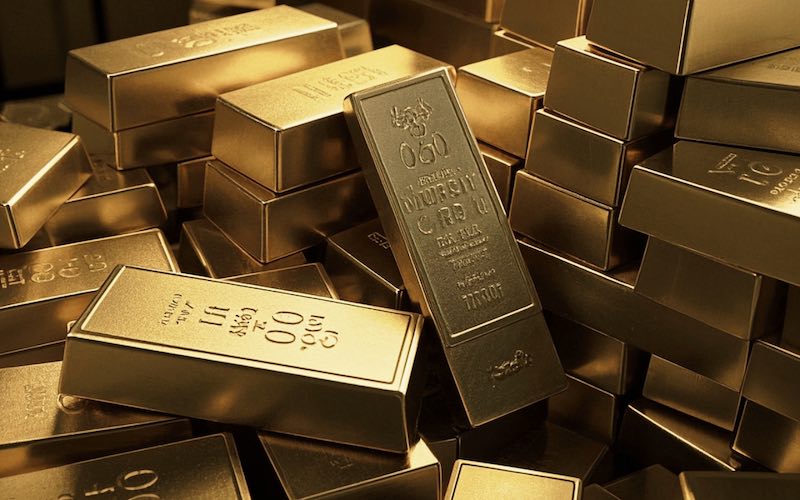
India raises import tax on gold and silver to 15%, Goldman Sachs warns physical gold demand may cool significantly.
2026-05-14 17:04:01
According to APP, the Indian government's recent announcement of a significant increase in import tariffs on gold and silver has drawn widespread attention in the global precious metals market. Warren Patterson and Eva Manse, commodity strategists at international investment bank ING, stated that as the world's second-largest gold consumer, this tariff adjustment may put temporary pressure on global physical gold demand.

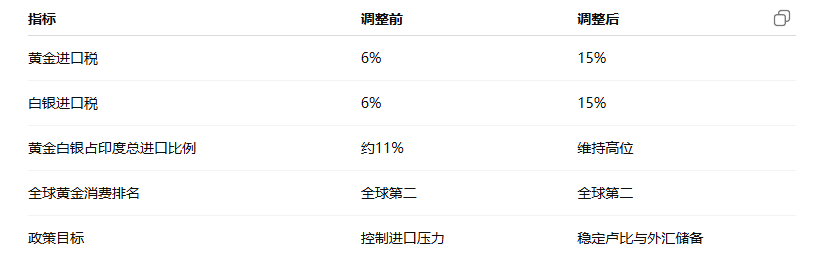
Data shows that India has significantly increased its import tax on gold and silver from 6% to 15%. The market believes this move is primarily aimed at stabilizing the Indian rupee exchange rate and alleviating pressure on current foreign exchange reserves. This one-time increase of 9 percentage points in India's gold and silver import tax is one of the most radical policy adjustments in the Indian precious metals market in recent years.
The ongoing tensions in the Middle East, particularly the escalating conflict with Iran, have kept global energy prices high. Rising energy import costs are further straining India's current account and putting downward pressure on the rupee. The Indian government is attempting to mitigate the risk of foreign exchange reserve depletion by increasing the cost of precious metal imports and reducing gold imports.
ING analysis points out that India is highly dependent on gold imports to meet domestic demand. Data shows that gold and silver imports account for approximately 11% of India's total imports. Therefore, rising international gold prices and increased import volumes often directly impact India's trade balance and foreign exchange reserve stability. India has long been among the world's largest importers of precious metals, and its policy changes often directly affect global physical gold demand.
As the world's second-largest gold consumer market, India's demand for jewelry, weddings, and traditional festivals has a significant impact on the international gold market. In particular, India's gold imports typically peak in the fourth quarter of each year, leading up to the beginning of the following year. However, following this substantial tariff increase, the market expects domestic gold purchasing demand in India to cool down significantly.
ING believes that higher import costs will dampen the purchasing intentions of Indian consumers and jewelers, and may also lead to a temporary decline in gold import flows. High import taxes could be a significant negative factor suppressing Indian physical gold demand in the short term. Data shows that with international gold prices already at historically high levels, further increases in domestic gold retail prices in India may weaken consumer purchasing power.
At the same time, some market participants worry that if import taxes remain high for an extended period, the volume of gold trading in India's grey market may increase again.
The following is a comparison of key data changes in the Indian gold market:
Despite a potential slowdown in Indian import demand, the international gold market remains supported by safe-haven flows. Currently, continued tensions in the Middle East have significantly heightened risk appetite in global markets. Meanwhile, persistently high inflation in the United States has also contributed to market caution regarding the global economic outlook.
Geopolitical risks and global inflationary pressures remain the core support for the gold market in the medium to long term. Recently, the US Producer Price Index (PPI) and Consumer Price Index (CPI) have both exceeded market expectations, prompting a reassessment of the Federal Reserve's future interest rate path. Although a stronger dollar and higher US Treasury yields are putting short-term pressure on gold, safe-haven demand continues to limit the downside potential for gold prices.
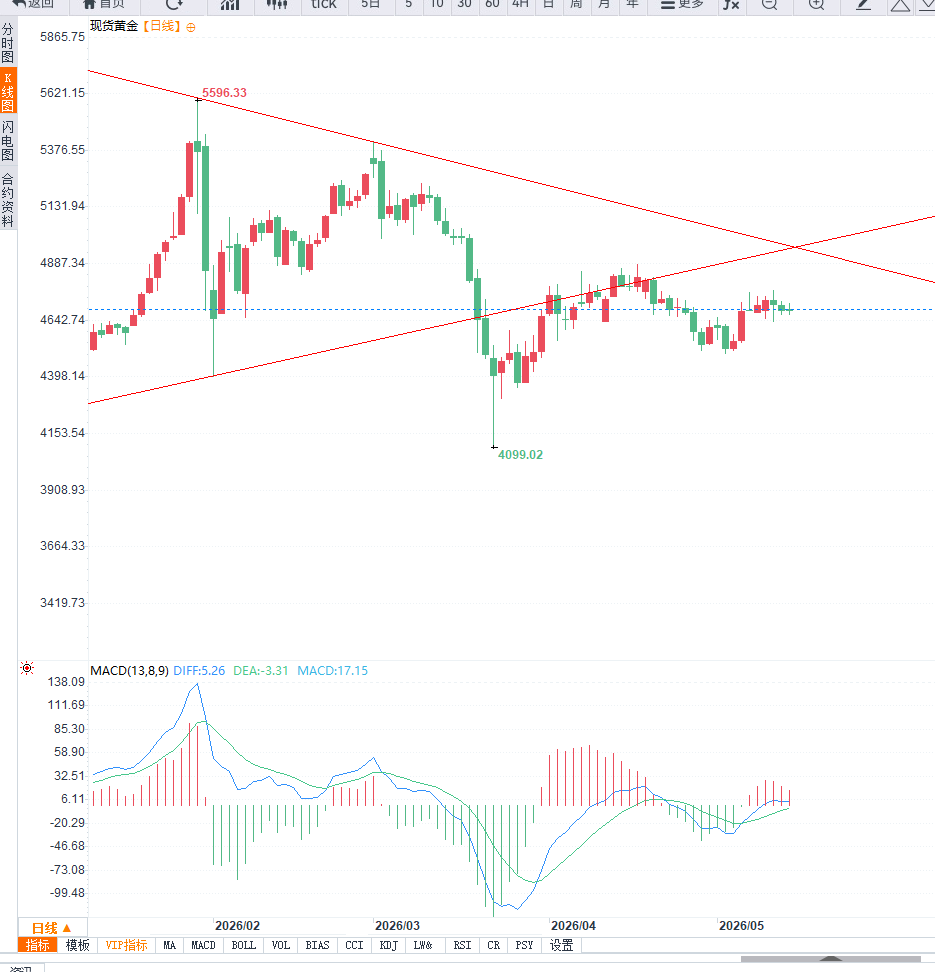
From a technical perspective, international gold prices remain in a high-level consolidation pattern on the daily chart. Although influenced by a stronger US dollar in the short term, the overall upward trend has not been significantly broken. Currently, the main resistance level for gold is around $4750, while key support lies in the $4650 area. If the situation in the Middle East escalates further, safe-haven flows may continue to push gold prices to higher levels. In the short term, slowing demand from India may suppress physical gold buying in Asia, but global safe-haven demand is likely to continue to dominate international gold price movements.
Editor's Summary : India's significant increase in import taxes on gold and silver reflects emerging market countries' increased efforts to protect their foreign exchange reserves and exchange rate stability amid rising global energy prices and ongoing tensions in the Middle East. As the world's second-largest gold consumer, India's changing demand will have a phased impact on the global physical gold market. In the short term, high import taxes may curb domestic gold consumption and imports in India, but in the medium to long term, global safe-haven demand, central bank gold purchases, and geopolitical risks will continue to support high international gold prices.
Data shows that India has significantly increased its import tax on gold and silver from 6% to 15%. The market believes this move is primarily aimed at stabilizing the Indian rupee exchange rate and alleviating pressure on current foreign exchange reserves. This one-time increase of 9 percentage points in India's gold and silver import tax is one of the most radical policy adjustments in the Indian precious metals market in recent years.
The ongoing tensions in the Middle East, particularly the escalating conflict with Iran, have kept global energy prices high. Rising energy import costs are further straining India's current account and putting downward pressure on the rupee. The Indian government is attempting to mitigate the risk of foreign exchange reserve depletion by increasing the cost of precious metal imports and reducing gold imports.
ING analysis points out that India is highly dependent on gold imports to meet domestic demand. Data shows that gold and silver imports account for approximately 11% of India's total imports. Therefore, rising international gold prices and increased import volumes often directly impact India's trade balance and foreign exchange reserve stability. India has long been among the world's largest importers of precious metals, and its policy changes often directly affect global physical gold demand.
As the world's second-largest gold consumer market, India's demand for jewelry, weddings, and traditional festivals has a significant impact on the international gold market. In particular, India's gold imports typically peak in the fourth quarter of each year, leading up to the beginning of the following year. However, following this substantial tariff increase, the market expects domestic gold purchasing demand in India to cool down significantly.
ING believes that higher import costs will dampen the purchasing intentions of Indian consumers and jewelers, and may also lead to a temporary decline in gold import flows. High import taxes could be a significant negative factor suppressing Indian physical gold demand in the short term. Data shows that with international gold prices already at historically high levels, further increases in domestic gold retail prices in India may weaken consumer purchasing power.
At the same time, some market participants worry that if import taxes remain high for an extended period, the volume of gold trading in India's grey market may increase again.
The following is a comparison of key data changes in the Indian gold market:
Despite a potential slowdown in Indian import demand, the international gold market remains supported by safe-haven flows. Currently, continued tensions in the Middle East have significantly heightened risk appetite in global markets. Meanwhile, persistently high inflation in the United States has also contributed to market caution regarding the global economic outlook.
Geopolitical risks and global inflationary pressures remain the core support for the gold market in the medium to long term. Recently, the US Producer Price Index (PPI) and Consumer Price Index (CPI) have both exceeded market expectations, prompting a reassessment of the Federal Reserve's future interest rate path. Although a stronger dollar and higher US Treasury yields are putting short-term pressure on gold, safe-haven demand continues to limit the downside potential for gold prices.
From a technical perspective, international gold prices remain in a high-level consolidation pattern on the daily chart. Although influenced by a stronger US dollar in the short term, the overall upward trend has not been significantly broken. Currently, the main resistance level for gold is around $4750, while key support lies in the $4650 area. If the situation in the Middle East escalates further, safe-haven flows may continue to push gold prices to higher levels. In the short term, slowing demand from India may suppress physical gold buying in Asia, but global safe-haven demand is likely to continue to dominate international gold price movements.
Editor's Summary : India's significant increase in import taxes on gold and silver reflects emerging market countries' increased efforts to protect their foreign exchange reserves and exchange rate stability amid rising global energy prices and ongoing tensions in the Middle East. As the world's second-largest gold consumer, India's changing demand will have a phased impact on the global physical gold market. In the short term, high import taxes may curb domestic gold consumption and imports in India, but in the medium to long term, global safe-haven demand, central bank gold purchases, and geopolitical risks will continue to support high international gold prices.
- Risk Warning and Disclaimer
- The market involves risk, and trading may not be suitable for all investors. This article is for reference only and does not constitute personal investment advice, nor does it take into account certain users’ specific investment objectives, financial situation, or other needs. Any investment decisions made based on this information are at your own risk.