The debate over the survival of "dot plots": Walsh's triple struggle with the market and his colleagues.
2026-05-25 16:52:22
DBS Bank strategists point out that the policy path of the new Federal Reserve Chairman Kevin Warsh is still unclear. President Trump is inclined to cut interest rates, while Warsh himself holds a reform-oriented stance.
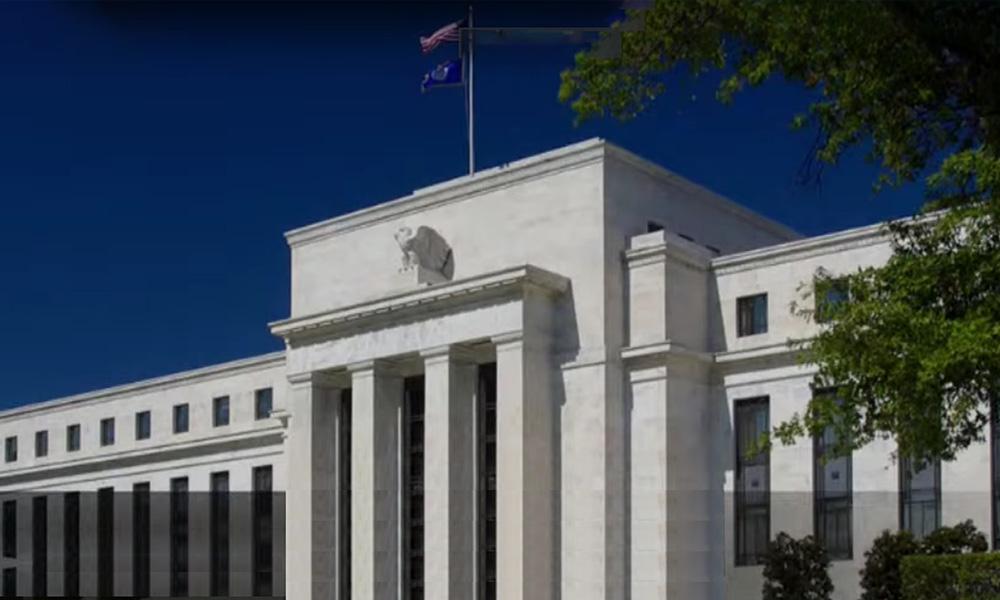
Warsh may downplay the importance of the dot plot and may even omit his own interest rate forecasts in the June summary of economic projections. This strategy could provoke discontent from markets and Fed colleagues if Thursday's PCE inflation data unexpectedly rises, adding further policy uncertainty for dollar traders.
Meanwhile, Kevin Warsh was sworn in as the 17th Chairman of the Federal Reserve at the White House on May 22, becoming the first Fed head to be sworn in at the White House since Alan Greenspan in 1987. Although Trump stated at the ceremony that Warsh would "do his own thing" to maintain the Fed's independence and autonomy in interest rate decisions, the president did not hide his desire for Warsh to begin cutting interest rates.
Reports indicate that during the preparation phase leading up to the Senate confirmation hearings, Trump repeatedly called Warsh to inquire about the economic situation. This direct communication channel was seen by Warsh's allies as a unique advantage over his predecessor, Powell. However, a clear rift has emerged in the policy narrative between the White House and the markets—Trump administration economic officials are still publicly predicting interest rate cuts, while the bond market's performance contradicts this narrative.
Warsh's inaugural address focused on leading a "reform-oriented" Federal Reserve, a shift seen by the market as an "epic turn in U.S. monetary policy." He made it clear that he wanted to move away from the "backward" economic dogma, pursuing a dual mandate—simultaneously achieving lower inflation and stronger growth, reducing the Fed's balance sheet, and abandoning forward guidance, the dot plot, and over-interpreted press conferences.
Warsh has long criticized the Federal Reserve's path of unlimited quantitative easing and disorderly balance sheet expansion in the post-financial crisis era, arguing that prolonged massive monetary easing distorts market pricing and overdraws monetary credibility. He strongly advocates for the Fed to completely end the normalization of QE. Some institutions point out that this is not a simple personnel change, but a historic restructuring of the global monetary order and asset pricing system. Warsh may even cancel routine press conferences and reduce officials' public statements, shifting the Fed from a "script-providing" mode to a "guessing game" era.
Warsh may choose not to include his own interest rate forecasts in the June summary of economic projections, which would be the most significant potential change to the Fed's communication mechanism in 32 years.
Since Greenspan ushered in the era of transparency in 1994, the dot plot has become the "foundation" for global asset pricing, and the quarterly interest rate forecasts are regarded as gospel by traders. Warsh has long criticized forward guidance for "locking the FOMC onto a predetermined policy path," arguing that excessively transparent communication exacerbates market volatility.
Former St. Louis Fed President Bullard pointed out that not submitting forecasts was a "strategic option" for Warsh—after all, there were only weeks left until the June meeting, and his confirmation process had just been completed. This approach would allow Warsh to avoid disagreeing with Trump over hawkish forecasts, or losing credibility in the market over dovish forecasts, a "two birds with one stone" political and market balancing act. Former Fed senior advisor Mead analyzed, "He could have easily decided—I have too many things to do in June, why bother with this trouble?"
Meanwhile, Warsh's first FOMC meeting on June 17 may mark the beginning of downplaying the importance of the dot plot as a policy roadmap, which would be the most significant change to the Fed's communication mechanism in 32 years. Warsh has long criticized forward guidance for "locking the FOMC onto a pre-set policy path," arguing that excessive transparency in communication exacerbates market volatility, and even plans to cancel regular press conferences and reduce officials' public statements.
However, if Thursday's PCE inflation data unexpectedly rises, Warsh's strategy could provoke discontent from the market and his Fed colleagues. Currently, core PCE remains above 3%, while the cut-off mean inflation is only around 2.4%. Warsh favors the latter indicator, believing it more accurately reflects underlying inflation trends and even provides room for rate cuts. But if the April PCE data exceeds expectations, and his colleagues see continued pressure on traditional indicators, then Warsh's push to downplay the dot plot at this time could be interpreted by the market as "escaping reality" rather than "framework optimization."
At the April meeting, four FOMC members cast dissenting votes, the most since 1992, indicating a severe rift within the committee regarding policy direction. Moreover, Powell's decision to break with a 75-year tradition and remain on the board could become a major battleground in future FOMC power struggles, particularly given his long-standing advocacy for transparency and Warsh's "silent" approach.
In conclusion, Warsh's policy stance after taking office remains unclear. He tends to downplay the dot plot and reduce forward guidance, which could introduce new uncertainty into the Fed's policy communication. If the PCE data exceeds expectations, Warsh's strategy may face pressure from both the market and his colleagues. The short-term trend of the US dollar will depend heavily on Thursday's inflation data and Warsh's first policy statement at the June FOMC meeting.
Warsh may downplay the importance of the dot plot and may even omit his own interest rate forecasts in the June summary of economic projections. This strategy could provoke discontent from markets and Fed colleagues if Thursday's PCE inflation data unexpectedly rises, adding further policy uncertainty for dollar traders.
Warsh downplays the dot plot: Reform-oriented, it may be absent from June interest rate forecasts.
Meanwhile, Kevin Warsh was sworn in as the 17th Chairman of the Federal Reserve at the White House on May 22, becoming the first Fed head to be sworn in at the White House since Alan Greenspan in 1987. Although Trump stated at the ceremony that Warsh would "do his own thing" to maintain the Fed's independence and autonomy in interest rate decisions, the president did not hide his desire for Warsh to begin cutting interest rates.
Reports indicate that during the preparation phase leading up to the Senate confirmation hearings, Trump repeatedly called Warsh to inquire about the economic situation. This direct communication channel was seen by Warsh's allies as a unique advantage over his predecessor, Powell. However, a clear rift has emerged in the policy narrative between the White House and the markets—Trump administration economic officials are still publicly predicting interest rate cuts, while the bond market's performance contradicts this narrative.
Warsh's inaugural address focused on leading a "reform-oriented" Federal Reserve, a shift seen by the market as an "epic turn in U.S. monetary policy." He made it clear that he wanted to move away from the "backward" economic dogma, pursuing a dual mandate—simultaneously achieving lower inflation and stronger growth, reducing the Fed's balance sheet, and abandoning forward guidance, the dot plot, and over-interpreted press conferences.
Warsh has long criticized the Federal Reserve's path of unlimited quantitative easing and disorderly balance sheet expansion in the post-financial crisis era, arguing that prolonged massive monetary easing distorts market pricing and overdraws monetary credibility. He strongly advocates for the Fed to completely end the normalization of QE. Some institutions point out that this is not a simple personnel change, but a historic restructuring of the global monetary order and asset pricing system. Warsh may even cancel routine press conferences and reduce officials' public statements, shifting the Fed from a "script-providing" mode to a "guessing game" era.
Warsh may choose not to include his own interest rate forecasts in the June summary of economic projections, which would be the most significant potential change to the Fed's communication mechanism in 32 years.
Since Greenspan ushered in the era of transparency in 1994, the dot plot has become the "foundation" for global asset pricing, and the quarterly interest rate forecasts are regarded as gospel by traders. Warsh has long criticized forward guidance for "locking the FOMC onto a predetermined policy path," arguing that excessively transparent communication exacerbates market volatility.
Former St. Louis Fed President Bullard pointed out that not submitting forecasts was a "strategic option" for Warsh—after all, there were only weeks left until the June meeting, and his confirmation process had just been completed. This approach would allow Warsh to avoid disagreeing with Trump over hawkish forecasts, or losing credibility in the market over dovish forecasts, a "two birds with one stone" political and market balancing act. Former Fed senior advisor Mead analyzed, "He could have easily decided—I have too many things to do in June, why bother with this trouble?"
The June FOMC meeting may be a turning point; PCE data is a key variable.
Meanwhile, Warsh's first FOMC meeting on June 17 may mark the beginning of downplaying the importance of the dot plot as a policy roadmap, which would be the most significant change to the Fed's communication mechanism in 32 years. Warsh has long criticized forward guidance for "locking the FOMC onto a pre-set policy path," arguing that excessive transparency in communication exacerbates market volatility, and even plans to cancel regular press conferences and reduce officials' public statements.
However, if Thursday's PCE inflation data unexpectedly rises, Warsh's strategy could provoke discontent from the market and his Fed colleagues. Currently, core PCE remains above 3%, while the cut-off mean inflation is only around 2.4%. Warsh favors the latter indicator, believing it more accurately reflects underlying inflation trends and even provides room for rate cuts. But if the April PCE data exceeds expectations, and his colleagues see continued pressure on traditional indicators, then Warsh's push to downplay the dot plot at this time could be interpreted by the market as "escaping reality" rather than "framework optimization."
At the April meeting, four FOMC members cast dissenting votes, the most since 1992, indicating a severe rift within the committee regarding policy direction. Moreover, Powell's decision to break with a 75-year tradition and remain on the board could become a major battleground in future FOMC power struggles, particularly given his long-standing advocacy for transparency and Warsh's "silent" approach.
The Warsh policy path remains uncertain; the short-term direction of the US dollar depends on PCE data.
In conclusion, Warsh's policy stance after taking office remains unclear. He tends to downplay the dot plot and reduce forward guidance, which could introduce new uncertainty into the Fed's policy communication. If the PCE data exceeds expectations, Warsh's strategy may face pressure from both the market and his colleagues. The short-term trend of the US dollar will depend heavily on Thursday's inflation data and Warsh's first policy statement at the June FOMC meeting.
- Risk Warning and Disclaimer
- The market involves risk, and trading may not be suitable for all investors. This article is for reference only and does not constitute personal investment advice, nor does it take into account certain users’ specific investment objectives, financial situation, or other needs. Any investment decisions made based on this information are at your own risk.