The strong May non-farm payroll data has completely cooled expectations for an interest rate cut, leaving the new Federal Reserve chairman mired in multiple predicaments.
2026-06-08 09:57:03
Strong U.S. employment data for May directly dampened market expectations for a near-term interest rate cut by the Federal Reserve, making the path of monetary policy implementation by new Fed Chairman Kevin Warsh increasingly difficult. Against this backdrop, differing opinions have emerged within the Fed and on Wall Street, creating multiple pressures.
Last Friday's US non-farm payrolls report showed an increase of 172,000 jobs, far exceeding market expectations. This, coupled with significant upward revisions to previous months' employment data, further limited the scope for monetary easing. Given the current high inflation levels and the uncertainty stemming from the Russia-Ukraine conflict, the rationale for a Federal Reserve rate cut has significantly decreased. At midday that day, data from the CME Group's FedWatch Tool showed that market participants believed the probability of a rate cut at the June 16-17 policy meeting continued to decline, while the probability of a rate hike before the end of 2026 climbed to 70%.
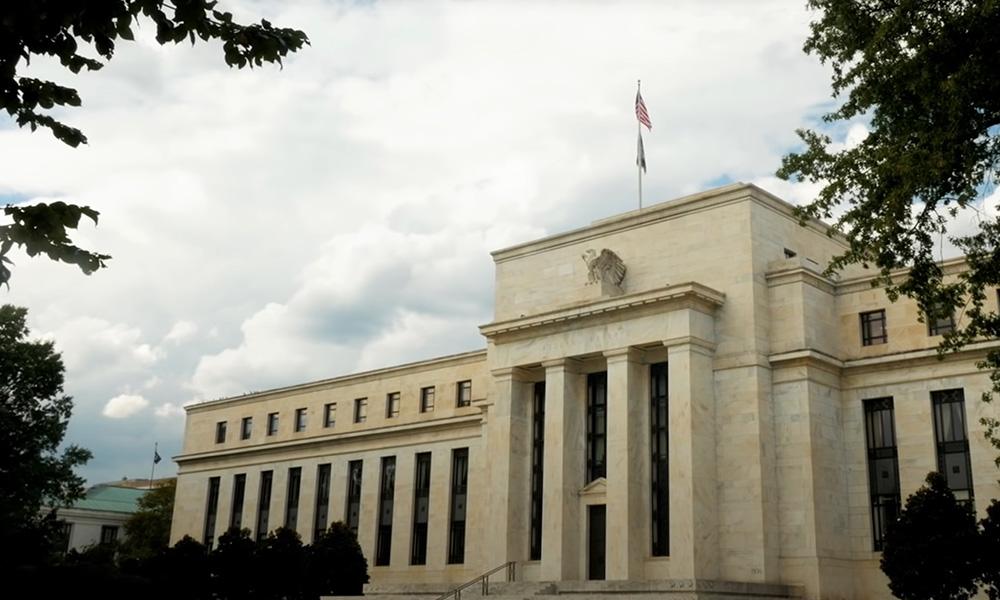
Kevin Warsh's challenges extend beyond the direction of interest rate adjustments; several Federal Reserve officials have publicly questioned his policy philosophy and analytical framework.
Federal Reserve Governor Christopher Waller expressed concern that there are upside risks to inflation expectations among residents and in the market, which is an important factor for the Fed to consider when making policy decisions.
St. Louis Federal Reserve Bank President Alberto Musalem disagrees with Warsh's assessment. Warsh believes that productivity gains driven by artificial intelligence can curb inflation, while Musalem argues that relying on future productivity improvements to solve current inflation problems carries significant risks.
Dallas Federal Reserve Bank President Lorie Logan raised objections to the cut-off mean inflation indicator commonly used by Walsh. This indicator calculates inflation after removing extreme price values, a figure Walsh argued is more accurate. However, Logan stated that changes in price structure can distort the indicator. The Dallas Fed's April cut-off mean inflation figure was 2.3%, significantly lower than both overall and core inflation data. Logan cautioned the market against over-reliance on this figure and acknowledged that interest rate hikes are highly likely in the second half of the year to stabilize prices and balance the Fed's dual policy objectives.
In addition, Federal Reserve Governor Michelle Bowman stated that price increases triggered by energy supply shocks are short-term in nature, and the Fed should not overreact, while supporting the retention of forward guidance. This stance differs from that of Walsh, who favors interest rate cuts but does not recognize the value of forward guidance. Bowman added that the longer the Russia-Ukraine conflict continues, the more attention needs to be paid to its impact on inflation.
Federal Reserve Governor Michael Barr also voiced his opposition, arguing that Warsh's proposal to shrink the Fed's balance sheet would have more negative consequences.
Not only within the Federal Reserve, but also Wall Street financial institutions have expressed differing opinions on Warsh's policy approach.
Walsh and several White House officials, referencing the Federal Reserve model during Alan Greenspan's tenure in the 1990s, believe that productivity growth can offset economic overheating and curb inflation.
Jason Thomas, head of global research and strategy at The Carlyle Group, points out that there are significant differences between the present and the past. Real interest rates during Greenspan's era were much higher than they are now, monetary policy tightening was more aggressive, and there was more room for policy adjustment. He believes that due to the situation in the Strait of Hormuz, the Federal Reserve is unlikely to adjust interest rates in the short term, and remaining on the sidelines is still the best option. He also calls for abandoning the long-standing tendency towards easing.
Cleveland Federal Reserve Bank President Beth Hammack, who closely monitors inflation trends, also questions the use of single inflation statistics. She states that analyzing inflation requires a comprehensive analysis of all data and cannot rely solely on a few indicators.
Hammark revealed that she had previously communicated with Walsh, and said that Walsh maintained an open mind during his tenure, comprehensively reviewed existing policies, worked around the two major goals of full employment and price stability, and conscientiously performed his public duties.
In summary , the strong employment data has completely reversed the Fed's policy direction. New Chairman Warsh is caught in a web of disagreements, having to balance internal differing opinions as well as deal with external market skepticism. The upcoming interest rate meeting will be a major test for him on his way to fulfilling his duties.
Last Friday's US non-farm payrolls report showed an increase of 172,000 jobs, far exceeding market expectations. This, coupled with significant upward revisions to previous months' employment data, further limited the scope for monetary easing. Given the current high inflation levels and the uncertainty stemming from the Russia-Ukraine conflict, the rationale for a Federal Reserve rate cut has significantly decreased. At midday that day, data from the CME Group's FedWatch Tool showed that market participants believed the probability of a rate cut at the June 16-17 policy meeting continued to decline, while the probability of a rate hike before the end of 2026 climbed to 70%.
Disagreements have emerged within the Federal Reserve, with several key viewpoints being questioned by colleagues.
Kevin Warsh's challenges extend beyond the direction of interest rate adjustments; several Federal Reserve officials have publicly questioned his policy philosophy and analytical framework.
Federal Reserve Governor Christopher Waller expressed concern that there are upside risks to inflation expectations among residents and in the market, which is an important factor for the Fed to consider when making policy decisions.
St. Louis Federal Reserve Bank President Alberto Musalem disagrees with Warsh's assessment. Warsh believes that productivity gains driven by artificial intelligence can curb inflation, while Musalem argues that relying on future productivity improvements to solve current inflation problems carries significant risks.
Dallas Federal Reserve Bank President Lorie Logan raised objections to the cut-off mean inflation indicator commonly used by Walsh. This indicator calculates inflation after removing extreme price values, a figure Walsh argued is more accurate. However, Logan stated that changes in price structure can distort the indicator. The Dallas Fed's April cut-off mean inflation figure was 2.3%, significantly lower than both overall and core inflation data. Logan cautioned the market against over-reliance on this figure and acknowledged that interest rate hikes are highly likely in the second half of the year to stabilize prices and balance the Fed's dual policy objectives.
In addition, Federal Reserve Governor Michelle Bowman stated that price increases triggered by energy supply shocks are short-term in nature, and the Fed should not overreact, while supporting the retention of forward guidance. This stance differs from that of Walsh, who favors interest rate cuts but does not recognize the value of forward guidance. Bowman added that the longer the Russia-Ukraine conflict continues, the more attention needs to be paid to its impact on inflation.
Federal Reserve Governor Michael Barr also voiced his opposition, arguing that Warsh's proposal to shrink the Fed's balance sheet would have more negative consequences.
Wall Street warns that historical experience cannot be directly applied to the present.
Not only within the Federal Reserve, but also Wall Street financial institutions have expressed differing opinions on Warsh's policy approach.
Walsh and several White House officials, referencing the Federal Reserve model during Alan Greenspan's tenure in the 1990s, believe that productivity growth can offset economic overheating and curb inflation.
Jason Thomas, head of global research and strategy at The Carlyle Group, points out that there are significant differences between the present and the past. Real interest rates during Greenspan's era were much higher than they are now, monetary policy tightening was more aggressive, and there was more room for policy adjustment. He believes that due to the situation in the Strait of Hormuz, the Federal Reserve is unlikely to adjust interest rates in the short term, and remaining on the sidelines is still the best option. He also calls for abandoning the long-standing tendency towards easing.
Industry peers view the situation rationally, but expectations are still high for the new chairman.
Cleveland Federal Reserve Bank President Beth Hammack, who closely monitors inflation trends, also questions the use of single inflation statistics. She states that analyzing inflation requires a comprehensive analysis of all data and cannot rely solely on a few indicators.
Hammark revealed that she had previously communicated with Walsh, and said that Walsh maintained an open mind during his tenure, comprehensively reviewed existing policies, worked around the two major goals of full employment and price stability, and conscientiously performed his public duties.
In summary , the strong employment data has completely reversed the Fed's policy direction. New Chairman Warsh is caught in a web of disagreements, having to balance internal differing opinions as well as deal with external market skepticism. The upcoming interest rate meeting will be a major test for him on his way to fulfilling his duties.
- Risk Warning and Disclaimer
- The market involves risk, and trading may not be suitable for all investors. This article is for reference only and does not constitute personal investment advice, nor does it take into account certain users’ specific investment objectives, financial situation, or other needs. Any investment decisions made based on this information are at your own risk.