













The governor's absence will not hinder a policy shift; the Bank of Japan is expected to raise interest rates to 1% next week.
2026-06-12 12:23:29
Faced with inflationary pressures stemming from the situation in the Middle East, the Bank of Japan is expected to raise interest rates next week, potentially pushing the policy rate to its highest level in 31 years and signaling a continued tightening of monetary policy. Although the central bank governor is absent from this policy meeting due to illness, the market generally believes this will not change the established policy direction.
This interest rate hike closely follows the European Central Bank's lead, and the tightening cycle of major central banks around the world continues. The yen exchange rate, bond market trends, and the pace of subsequent interest rate hikes have also become the focus of market attention.
The two-day policy meeting will conclude on June 16 (next Tuesday). Bank of Japan Governor Kazuo Ueda is hospitalized with a liver cyst and will require two weeks of treatment, preventing him from participating in the meeting. Most of the remaining eight policymakers have warned of rising price risks, and the market expects the central bank to raise the policy rate from 0.75% to 1%, a new high since 1995.
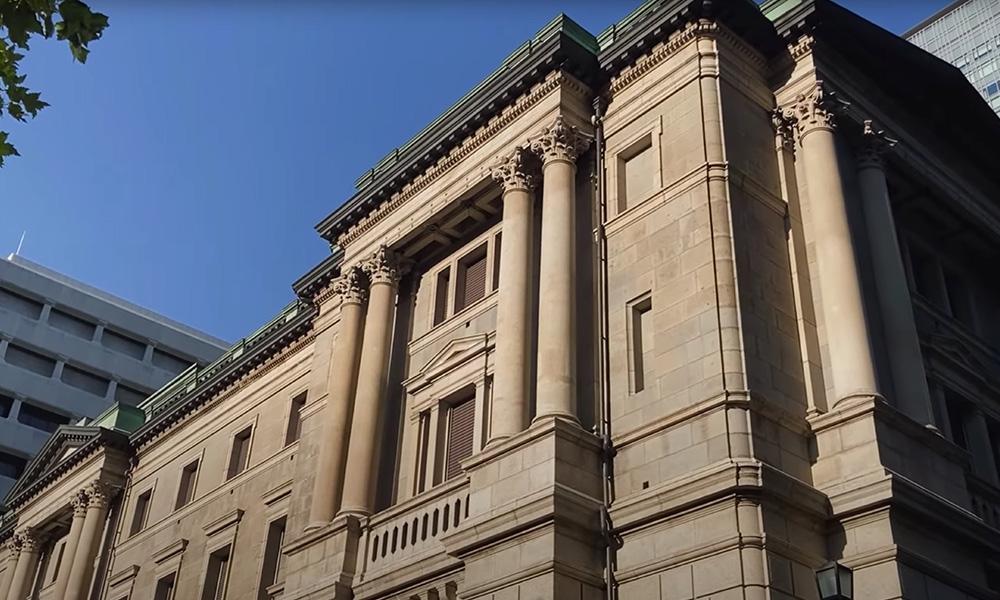
The European Central Bank raised interest rates as expected this Thursday, and the Bank of Japan simultaneously tightened its policy, aligning with the regulatory direction of major central banks around the world.
Saisuke Sakai, a senior economist at Mizuho Research Institute, stated that the governor's absence will not shake the central bank's decision-making. The current policy focus is on addressing rising inflation, rather than concerns about the Middle East situation dragging down economic growth. This interest rate hike marks the first tightening since December of last year, signifying that Japan has officially abandoned its previous approach of gradually exiting easing and is now focusing primarily on curbing inflation.
The market has fully priced in the expected rate hike and is now focusing on the timing and magnitude of future rate hikes.
Institutional research indicates that economists predict the Bank of Japan will raise interest rates to 1.25% in the fourth quarter of this year, following its June rate hike. The post-meeting press conference will be chaired by Deputy Governor Shinichi Uchida, who will provide policy clues to help investors determine whether the spread of inflation will force the central bank to accelerate the pace of rate hikes.
Rising energy prices, a depreciating yen increasing import costs, and a tight labor market are all contributing to persistent inflationary pressures, prompting the central bank to reiterate its commitment to raising interest rates. However, due to uncertainties surrounding the Middle East situation, it is not currently considering accelerating or continuously raising interest rates.
Nobuyasu Atago, chief economist at Rakuten Securities Research Institute, said that Shinichi Uchida's stance is dovish, but he has to adopt a more hawkish tone to prevent the yen from weakening further. The central bank is caught in a clear policy dilemma: it is unwilling to lock in a rate hike date prematurely, yet it worries that a conservative stance will exacerbate exchange rate and price pressures.
With interest rates rising to 1%, they are approaching the lower end of the neutral interest rate range of 1.1% to 2.5%, making subsequent actions more cautious. The previously slow pace of interest rate hikes is also a significant reason why the yen has hovered around 160 yen to the dollar, increasing the risk of currency intervention.
This meeting will also assess the current bond-buying tapering program and formulate plans for fiscal year 2027 and beyond. To stabilize the bond market, which is susceptible to inflation, the central bank is considering maintaining the current level of bond purchases in the next fiscal year, while temporarily slowing the pace of debt reduction.
Price data also confirms the severity of inflationary pressures. Affected by the energy shock, companies are continuously passing on costs to downstream businesses. Japan's wholesale prices rose 6.3% year-on-year in May, marking the largest increase in three years. Currently, thanks to government subsidies, core consumer prices are temporarily below the policy target of 2%, but analysts believe that as costs continue to be passed on, core inflation is highly likely to exceed the target level again in the second half of this year.
In summary , Japan has officially entered a period of sustained interest rate hikes. With multiple internal and external factors intertwined, the central bank needs to find a balance between controlling inflation, stabilizing the exchange rate, and protecting growth. Every subsequent adjustment to monetary policy will have a profound impact on the yen, the bond market, and the real economy.
This interest rate hike closely follows the European Central Bank's lead, and the tightening cycle of major central banks around the world continues. The yen exchange rate, bond market trends, and the pace of subsequent interest rate hikes have also become the focus of market attention.
With the interest rate hike imminent, the governor's absence will not affect the policy direction.
The two-day policy meeting will conclude on June 16 (next Tuesday). Bank of Japan Governor Kazuo Ueda is hospitalized with a liver cyst and will require two weeks of treatment, preventing him from participating in the meeting. Most of the remaining eight policymakers have warned of rising price risks, and the market expects the central bank to raise the policy rate from 0.75% to 1%, a new high since 1995.
The European Central Bank raised interest rates as expected this Thursday, and the Bank of Japan simultaneously tightened its policy, aligning with the regulatory direction of major central banks around the world.
Saisuke Sakai, a senior economist at Mizuho Research Institute, stated that the governor's absence will not shake the central bank's decision-making. The current policy focus is on addressing rising inflation, rather than concerns about the Middle East situation dragging down economic growth. This interest rate hike marks the first tightening since December of last year, signifying that Japan has officially abandoned its previous approach of gradually exiting easing and is now focusing primarily on curbing inflation.
The subsequent pace of developments has become the focus, putting the central bank in a dilemma regarding its policy stance.
The market has fully priced in the expected rate hike and is now focusing on the timing and magnitude of future rate hikes.
Institutional research indicates that economists predict the Bank of Japan will raise interest rates to 1.25% in the fourth quarter of this year, following its June rate hike. The post-meeting press conference will be chaired by Deputy Governor Shinichi Uchida, who will provide policy clues to help investors determine whether the spread of inflation will force the central bank to accelerate the pace of rate hikes.
Rising energy prices, a depreciating yen increasing import costs, and a tight labor market are all contributing to persistent inflationary pressures, prompting the central bank to reiterate its commitment to raising interest rates. However, due to uncertainties surrounding the Middle East situation, it is not currently considering accelerating or continuously raising interest rates.
Nobuyasu Atago, chief economist at Rakuten Securities Research Institute, said that Shinichi Uchida's stance is dovish, but he has to adopt a more hawkish tone to prevent the yen from weakening further. The central bank is caught in a clear policy dilemma: it is unwilling to lock in a rate hike date prematurely, yet it worries that a conservative stance will exacerbate exchange rate and price pressures.
With interest rates rising to 1%, they are approaching the lower end of the neutral interest rate range of 1.1% to 2.5%, making subsequent actions more cautious. The previously slow pace of interest rate hikes is also a significant reason why the yen has hovered around 160 yen to the dollar, increasing the risk of currency intervention.
Bond market policies are being reviewed concurrently, while upward pressure on prices remains prominent.
This meeting will also assess the current bond-buying tapering program and formulate plans for fiscal year 2027 and beyond. To stabilize the bond market, which is susceptible to inflation, the central bank is considering maintaining the current level of bond purchases in the next fiscal year, while temporarily slowing the pace of debt reduction.
Price data also confirms the severity of inflationary pressures. Affected by the energy shock, companies are continuously passing on costs to downstream businesses. Japan's wholesale prices rose 6.3% year-on-year in May, marking the largest increase in three years. Currently, thanks to government subsidies, core consumer prices are temporarily below the policy target of 2%, but analysts believe that as costs continue to be passed on, core inflation is highly likely to exceed the target level again in the second half of this year.
In summary , Japan has officially entered a period of sustained interest rate hikes. With multiple internal and external factors intertwined, the central bank needs to find a balance between controlling inflation, stabilizing the exchange rate, and protecting growth. Every subsequent adjustment to monetary policy will have a profound impact on the yen, the bond market, and the real economy.
- Risk Warning and Disclaimer
- The market involves risk, and trading may not be suitable for all investors. This article is for reference only and does not constitute personal investment advice, nor does it take into account certain users’ specific investment objectives, financial situation, or other needs. Any investment decisions made based on this information are at your own risk.

