With new CEO Walsh's first public appearance imminent, will he abolish the "pixelated image" and cut press conferences? Will the market usher in an era of "guessing his mind"?
2026-06-15 12:27:55
The Federal Reserve is about to hold its first policy meeting under Kevin Warsh, and the Fed's monetary policy communication system may be about to undergo a revolutionary reform.
Compared to the transparent and frequent communication style of the previous management, the new Federal Reserve Chairman Warsh advocates for significantly streamlining official statements and reducing forward guidance on policy. This reform will fundamentally change the market's inherent logic in interpreting Fed policy, while also bringing new volatility and variables to global financial markets.
The market's understanding of Warsh's policy stance is currently extremely vague. It is impossible to predict his attitude towards core economic data such as soaring employment growth and accelerating inflation, nor can it grasp his approach to interest rate adjustments. This lack of transparency is not accidental, but rather a reform direction actively promoted by Warsh.
Warsh has long criticized the Federal Reserve's past communication model, stating that overly frequent official pronouncements have not only led to numerous policy mistakes but have also allowed the Fed to excessively intervene in the market and economic operations, disrupting the normal rhythm of market self-regulation.
At his nomination hearing in April, Warsh clearly expressed his reform intentions, saying, "Members of the Federal Open Market Committee (FOMC) are speaking too frequently. It is far more important to explore the truth about the economy and policies than to repeat statements. Press conferences should only convey core and key information." His reform plan covers the monetary policy forecasting system, the frequency and content of external communications, and aims to completely change the Fed's external communication paradigm.
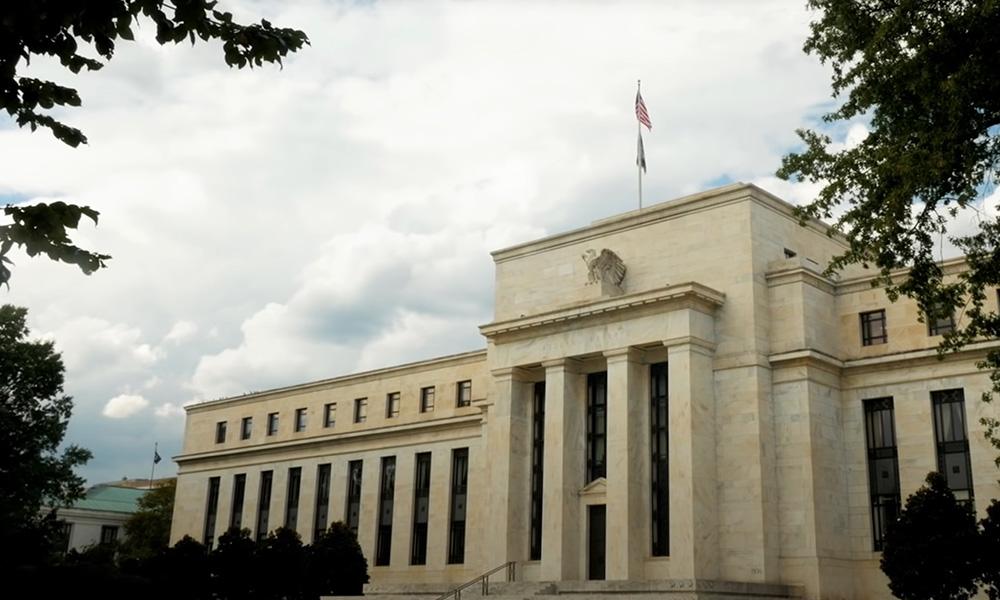
The key focus of this policy meeting is whether the Federal Reserve will remove the tendency towards interest rate cuts from its policy statement. Three FOMC members have already expressed dissent, arguing that the Fed should end its rate-cutting orientation.
Market analysts have anticipated this, with JPMorgan Chase chief economist Michael Feroli suggesting that Warsh will not directly signal a rate hike, but will clearly state that the possibility of a rate hike cannot be ruled out, and his overall stance will be more ambiguous and cautious. The removal of easing guidance also perfectly aligns with Warsh's long-term reform philosophy of reducing policy forward-looking thinking and weakening market intervention.
Warsh's reform ideas have a long history. As early as 2014, he led a review of the Bank of England's communication mechanism, advocating for a significant reduction in the frequency of external communication while improving information transparency.
He believed that the economy would move smoothly during non-crisis periods, eliminating the need for frequent policy adjustments, and had previously suggested reducing the number of annual Bank of England meetings from 12 to 8. Last year, Warsh reiterated this view in a speech at the Hoover Institution, stating that officials' repeated adjustments to their statements based on short-term data were meaningless and only interfered with market judgment.
According to the plan, Warsh will not continue the mechanism of holding a press conference after each meeting, as was the case with former Fed Chairman Jerome Powell. He will most likely revert to the old rule of four press conferences per year, releasing policy signals only at key junctures.
This reform of the communication mechanism has obvious drawbacks. Its most direct impact is to exacerbate market volatility and weaken the policy guidance of the Federal Reserve Chairman.
Former Cleveland Fed President Loretta Mester stated that it is inappropriate for the Fed to regress its communication mechanisms and deliberately create policy surprises, but there is indeed room for improvement in the existing communication system. Former Fed Vice Chairman Richard Clarida also warned in advance that the transition between the old and new communication mechanisms is likely to be fraught with difficulties.
Meanwhile, the reforms are unlikely to constrain the independent voices of the twelve regional Federal Reserve presidents, and fragmented statements from officials will continue to influence the market. Industry insiders say that regular press conferences are a core tool for the Fed Chair to unify market expectations and set the tone for policy; canceling high-frequency press conferences could easily lead to confusion in market expectations.
Warsh focused on proposing reforms to the Federal Reserve's dot plot mechanism for interest rates. He argued that rigid interest rate expectations stifle policy flexibility and were a significant reason for previous delays in inflation control. He believes that once officials release forecast data, they are prone to sticking to old ideas and missing the best opportunity to adjust policy.
The Federal Reserve has already discussed several optimization plans, including delaying the release of the dot plot and only publishing team research data. Since the dot plot policy requires a unanimous vote and cannot be changed unilaterally by the chairman, this round of reforms to the Fed's communication system will be implemented gradually.
Overall , the Federal Reserve is about to initiate a major reform of its communication mechanism, with the new normal being to blur policy expectations and streamline official statements.
Short-term market volatility will increase significantly. In the long run, the Federal Reserve's policies will be more closely aligned with the actual market trends, completely abandoning the past pattern of "policy guiding the market".
Compared to the transparent and frequent communication style of the previous management, the new Federal Reserve Chairman Warsh advocates for significantly streamlining official statements and reducing forward guidance on policy. This reform will fundamentally change the market's inherent logic in interpreting Fed policy, while also bringing new volatility and variables to global financial markets.
The tone of the new policy has been set: deliberately obscuring expectations and reshaping the Fed's communication system.
The market's understanding of Warsh's policy stance is currently extremely vague. It is impossible to predict his attitude towards core economic data such as soaring employment growth and accelerating inflation, nor can it grasp his approach to interest rate adjustments. This lack of transparency is not accidental, but rather a reform direction actively promoted by Warsh.
Warsh has long criticized the Federal Reserve's past communication model, stating that overly frequent official pronouncements have not only led to numerous policy mistakes but have also allowed the Fed to excessively intervene in the market and economic operations, disrupting the normal rhythm of market self-regulation.
At his nomination hearing in April, Warsh clearly expressed his reform intentions, saying, "Members of the Federal Open Market Committee (FOMC) are speaking too frequently. It is far more important to explore the truth about the economy and policies than to repeat statements. Press conferences should only convey core and key information." His reform plan covers the monetary policy forecasting system, the frequency and content of external communications, and aims to completely change the Fed's external communication paradigm.
Short-term policy implementation: The tendency towards easing has been removed, and market guidance has been weakened.
The key focus of this policy meeting is whether the Federal Reserve will remove the tendency towards interest rate cuts from its policy statement. Three FOMC members have already expressed dissent, arguing that the Fed should end its rate-cutting orientation.
Market analysts have anticipated this, with JPMorgan Chase chief economist Michael Feroli suggesting that Warsh will not directly signal a rate hike, but will clearly state that the possibility of a rate hike cannot be ruled out, and his overall stance will be more ambiguous and cautious. The removal of easing guidance also perfectly aligns with Warsh's long-term reform philosophy of reducing policy forward-looking thinking and weakening market intervention.
Tracing the origins of reform: Streamlining the frequency of statements and abandoning blindly following trends based on data.
Warsh's reform ideas have a long history. As early as 2014, he led a review of the Bank of England's communication mechanism, advocating for a significant reduction in the frequency of external communication while improving information transparency.
He believed that the economy would move smoothly during non-crisis periods, eliminating the need for frequent policy adjustments, and had previously suggested reducing the number of annual Bank of England meetings from 12 to 8. Last year, Warsh reiterated this view in a speech at the Hoover Institution, stating that officials' repeated adjustments to their statements based on short-term data were meaningless and only interfered with market judgment.
According to the plan, Warsh will not continue the mechanism of holding a press conference after each meeting, as was the case with former Fed Chairman Jerome Powell. He will most likely revert to the old rule of four press conferences per year, releasing policy signals only at key junctures.
Reforms may harbor hidden risks; industry insiders warn of market volatility risks.
This reform of the communication mechanism has obvious drawbacks. Its most direct impact is to exacerbate market volatility and weaken the policy guidance of the Federal Reserve Chairman.
Former Cleveland Fed President Loretta Mester stated that it is inappropriate for the Fed to regress its communication mechanisms and deliberately create policy surprises, but there is indeed room for improvement in the existing communication system. Former Fed Vice Chairman Richard Clarida also warned in advance that the transition between the old and new communication mechanisms is likely to be fraught with difficulties.
Meanwhile, the reforms are unlikely to constrain the independent voices of the twelve regional Federal Reserve presidents, and fragmented statements from officials will continue to influence the market. Industry insiders say that regular press conferences are a core tool for the Fed Chair to unify market expectations and set the tone for policy; canceling high-frequency press conferences could easily lead to confusion in market expectations.
Focusing on core pain points: rectifying the shortcomings of dot matrix diagrams and avoiding policy mistakes.
Warsh focused on proposing reforms to the Federal Reserve's dot plot mechanism for interest rates. He argued that rigid interest rate expectations stifle policy flexibility and were a significant reason for previous delays in inflation control. He believes that once officials release forecast data, they are prone to sticking to old ideas and missing the best opportunity to adjust policy.
The Federal Reserve has already discussed several optimization plans, including delaying the release of the dot plot and only publishing team research data. Since the dot plot policy requires a unanimous vote and cannot be changed unilaterally by the chairman, this round of reforms to the Fed's communication system will be implemented gradually.
Overall , the Federal Reserve is about to initiate a major reform of its communication mechanism, with the new normal being to blur policy expectations and streamline official statements.
Short-term market volatility will increase significantly. In the long run, the Federal Reserve's policies will be more closely aligned with the actual market trends, completely abandoning the past pattern of "policy guiding the market".
- Risk Warning and Disclaimer
- The market involves risk, and trading may not be suitable for all investors. This article is for reference only and does not constitute personal investment advice, nor does it take into account certain users’ specific investment objectives, financial situation, or other needs. Any investment decisions made based on this information are at your own risk.