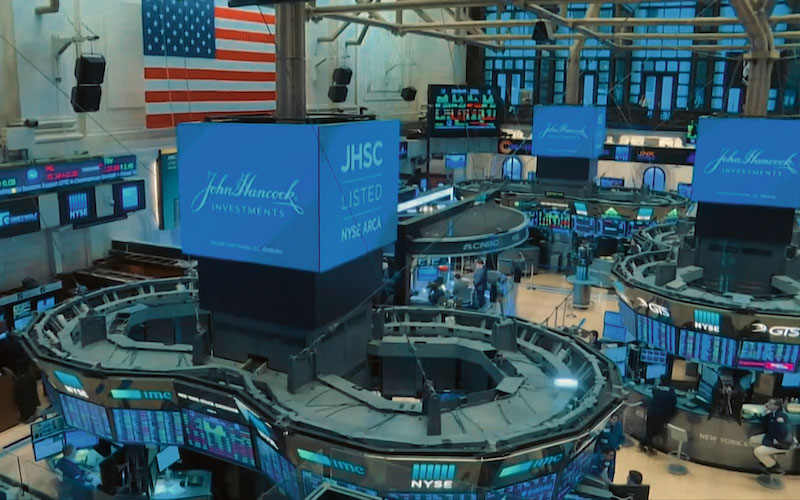
Has the sharp drop in gold prices bottomed out? Strategists say confirmation signals have not yet appeared.
2026-06-16 15:06:22
On Tuesday (June 16) during the Asian session, spot gold maintained a fluctuating pattern, currently up slightly by about 0.35% to around $4,325 per ounce, while spot silver fluctuated lower, currently down about 0.3% to around $69.75 per ounce.
Gold and silver started the week solidly, with optimism surrounding a potential Middle East peace deal easing some inflation concerns.
Michelle Schneider, chief market strategist at MarketGauge, said in a media interview that the sharp drop on June 11 may mark a significant turning point in the precious metals market, but it is too early to assert that a lasting bottom has been formed.
She believes that the sharp pullback in gold and silver represents an excellent long-term buying opportunity, but investors should resist the urge to buy the dip and wait for technical confirmation signals before re-entering the market.
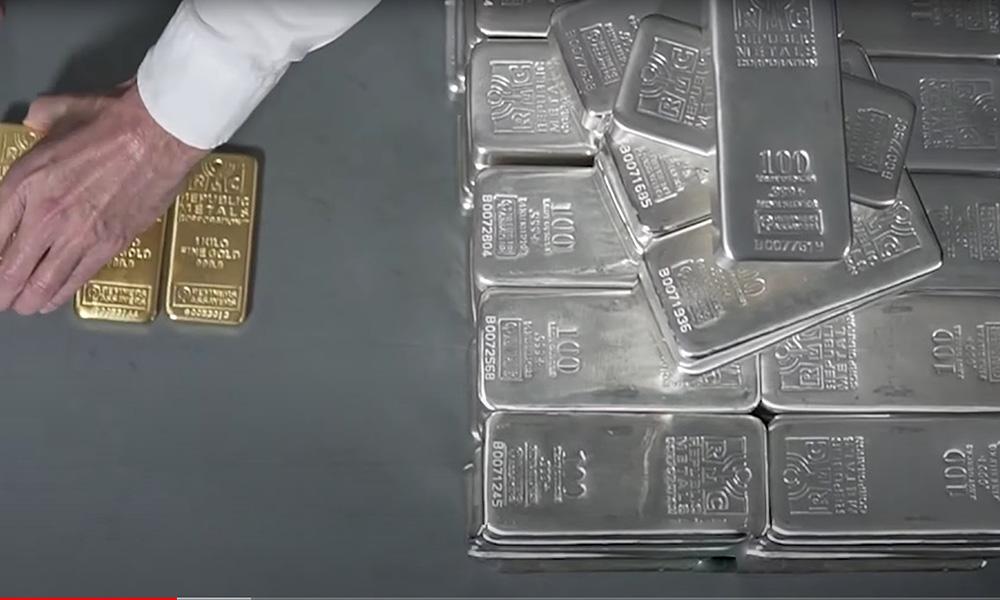
Schneider stated that Thursday's sharp drop could constitute a key reversal, but it has not yet been confirmed. She explained that confirming a bottom requires follow-up buying after the initial rebound. Ideally, gold will either consolidate after the reversal or close above the previous day's high with strong volume, indicating that new buyers are entering the futures market, not just short covering.
She also emphasized that silver is a more indicative indicator of market direction than gold. While gold has broken below several key technical levels, including the 50-week, 50-day, and 200-day moving averages, silver has shown greater resilience. Although silver has broken below the 50-day and 200-day moving averages on the daily chart, the 50-week moving average on the weekly chart continues to provide effective support.
Schneider points out that the relative strength of silver may be crucial to the next direction of the precious metals sector.
She made two key judgments: First, if silver outperforms gold again, it would be an inflation signal to some extent; second, silver has a wide range of industrial uses and huge potential demand in fields such as artificial intelligence and solar energy, which means that demand will eventually return.
However, she warned that the market has not yet given enough confirmation signals to support an aggressive bullish stance.
When asked if he would buy gold and silver at current prices, Schneider said he prefers to observe future price movements, not only looking at the closing price of the day, but also paying attention to the performance early next week and even after the Fed's interest rate meeting.
Schneider believes that solid buying coupled with strong upward momentum indicates that investors are more reassured about the outlook for interest rates and the dollar, while acknowledging that the long-term fundamentals of precious metals remain intact. Although she anticipates no runaway inflationary shock in the short term, the US economy remains vulnerable because the pain from high prices and borrowing costs is not evenly distributed.
She pointed out that the current K-shaped economic pattern highlights this imbalance—low-income households are still struggling with high living costs, while stronger consumers and businesses are helping overall economic data maintain surprising resilience. Falling food futures prices, a relatively strong dollar, stable bond yields, and easing geopolitical concerns have collectively reduced short-term inflation anxiety. However, she warned that these conditions will not eliminate the structural problems that support gold and silver in the long term.
Despite Schneider's cautious stance in the short term, she emphasized that her long-term bullish position on gold and silver remains unchanged.
She believes that, from a fundamental perspective, the logic behind the rise in precious metals is actually more compelling. She listed several supporting factors: continued geopolitical uncertainty, rising government debt, persistent inflationary pressures, and continued demand for gold from central banks.
Schneider also specifically mentioned the renewed surge in Chinese demand for gold—official Chinese gold purchases increased in May, marking the largest monthly increase since the end of 2024. Meanwhile, the market may be underestimating the long-term inflationary impact of investment in artificial intelligence infrastructure and global competition for strategic resources. All of this implies more spending, and fundamentally, the market remains in a highly volatile position.
Regarding current trading strategies, Schneider advises investors to focus on technical confirmation signals rather than trying to predict the exact bottom. She says that instead of trying to buy at the bottom, it's better to wait for confirmation, buy in small batches, and then gradually add to the position above the moving average.
In summary, Schneider believes the significant pullback in gold and silver presents an attractive entry window for long-term investors, but the technical indicators have yet to provide a clear bottom confirmation signal. Silver's relative strength and the outlook for industrial demand are noteworthy, while structural factors such as geopolitics, debt expansion, and central bank gold purchases continue to support the long-term bullish logic for precious metals.
In the current environment of heightened volatility, patiently waiting for confirmation signals and building positions in batches are more prudent strategies.
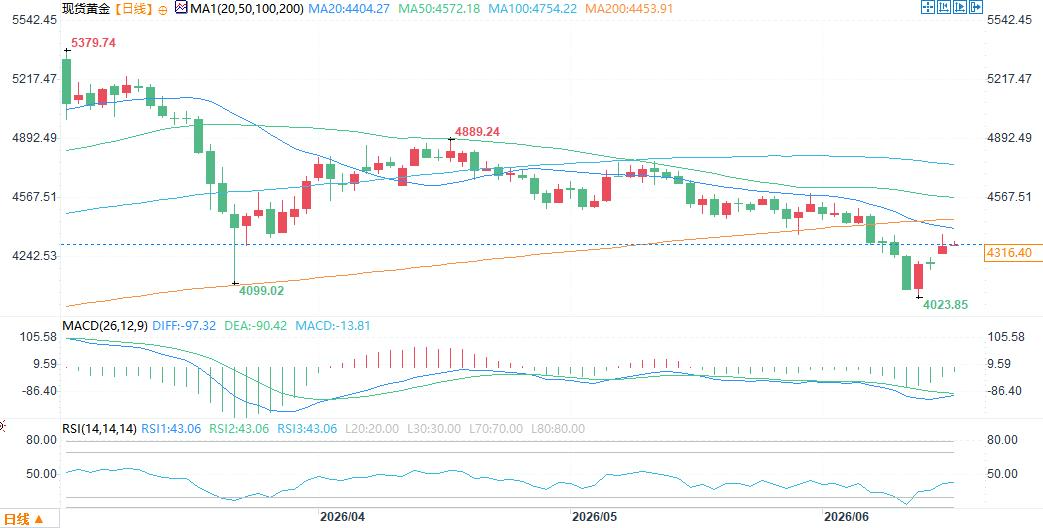
(Spot gold daily chart, source: FX678)
At 15:05 Beijing time on June 16, spot gold was trading at $4326.20 per ounce.
Gold and silver started the week solidly, with optimism surrounding a potential Middle East peace deal easing some inflation concerns.
Michelle Schneider, chief market strategist at MarketGauge, said in a media interview that the sharp drop on June 11 may mark a significant turning point in the precious metals market, but it is too early to assert that a lasting bottom has been formed.
She believes that the sharp pullback in gold and silver represents an excellent long-term buying opportunity, but investors should resist the urge to buy the dip and wait for technical confirmation signals before re-entering the market.
The bottom for gold has not yet been confirmed; we need to wait for follow-up signals.
Schneider stated that Thursday's sharp drop could constitute a key reversal, but it has not yet been confirmed. She explained that confirming a bottom requires follow-up buying after the initial rebound. Ideally, gold will either consolidate after the reversal or close above the previous day's high with strong volume, indicating that new buyers are entering the futures market, not just short covering.
She also emphasized that silver is a more indicative indicator of market direction than gold. While gold has broken below several key technical levels, including the 50-week, 50-day, and 200-day moving averages, silver has shown greater resilience. Although silver has broken below the 50-day and 200-day moving averages on the daily chart, the 50-week moving average on the weekly chart continues to provide effective support.
The relative strength of silver may be a sign of inflation.
Schneider points out that the relative strength of silver may be crucial to the next direction of the precious metals sector.
She made two key judgments: First, if silver outperforms gold again, it would be an inflation signal to some extent; second, silver has a wide range of industrial uses and huge potential demand in fields such as artificial intelligence and solar energy, which means that demand will eventually return.
However, she warned that the market has not yet given enough confirmation signals to support an aggressive bullish stance.
When asked if he would buy gold and silver at current prices, Schneider said he prefers to observe future price movements, not only looking at the closing price of the day, but also paying attention to the performance early next week and even after the Fed's interest rate meeting.
K-shaped economic support led to a short-term decline in risk aversion.
Schneider believes that solid buying coupled with strong upward momentum indicates that investors are more reassured about the outlook for interest rates and the dollar, while acknowledging that the long-term fundamentals of precious metals remain intact. Although she anticipates no runaway inflationary shock in the short term, the US economy remains vulnerable because the pain from high prices and borrowing costs is not evenly distributed.
She pointed out that the current K-shaped economic pattern highlights this imbalance—low-income households are still struggling with high living costs, while stronger consumers and businesses are helping overall economic data maintain surprising resilience. Falling food futures prices, a relatively strong dollar, stable bond yields, and easing geopolitical concerns have collectively reduced short-term inflation anxiety. However, she warned that these conditions will not eliminate the structural problems that support gold and silver in the long term.
The long-term bullish outlook remains unchanged; we recommend building positions in stages.
Despite Schneider's cautious stance in the short term, she emphasized that her long-term bullish position on gold and silver remains unchanged.
She believes that, from a fundamental perspective, the logic behind the rise in precious metals is actually more compelling. She listed several supporting factors: continued geopolitical uncertainty, rising government debt, persistent inflationary pressures, and continued demand for gold from central banks.
Schneider also specifically mentioned the renewed surge in Chinese demand for gold—official Chinese gold purchases increased in May, marking the largest monthly increase since the end of 2024. Meanwhile, the market may be underestimating the long-term inflationary impact of investment in artificial intelligence infrastructure and global competition for strategic resources. All of this implies more spending, and fundamentally, the market remains in a highly volatile position.
Regarding current trading strategies, Schneider advises investors to focus on technical confirmation signals rather than trying to predict the exact bottom. She says that instead of trying to buy at the bottom, it's better to wait for confirmation, buy in small batches, and then gradually add to the position above the moving average.
Short-term confirmation is pending; long-term logic remains unchanged.
In summary, Schneider believes the significant pullback in gold and silver presents an attractive entry window for long-term investors, but the technical indicators have yet to provide a clear bottom confirmation signal. Silver's relative strength and the outlook for industrial demand are noteworthy, while structural factors such as geopolitics, debt expansion, and central bank gold purchases continue to support the long-term bullish logic for precious metals.
In the current environment of heightened volatility, patiently waiting for confirmation signals and building positions in batches are more prudent strategies.
(Spot gold daily chart, source: FX678)
At 15:05 Beijing time on June 16, spot gold was trading at $4326.20 per ounce.
- Risk Warning and Disclaimer
- The market involves risk, and trading may not be suitable for all investors. This article is for reference only and does not constitute personal investment advice, nor does it take into account certain users’ specific investment objectives, financial situation, or other needs. Any investment decisions made based on this information are at your own risk.