FOMC Walsh debut preview: Will Powell still have a role, and how many dissenting votes will he receive?
2026-06-17 20:07:24
The Federal Reserve has officially entered a new phase under the leadership of Kevin Warsh. The new chairman, nominated by Trump, will preside over his first FOMC policy meeting and hold his first press conference half an hour after the decision is announced.
This policy statement and press conference are full of highlights. Will Walsh mention Powell, who is still serving on the FOMC? Will the format of subsequent policy press conferences be changed? What wording adjustments will be made to the policy statement?
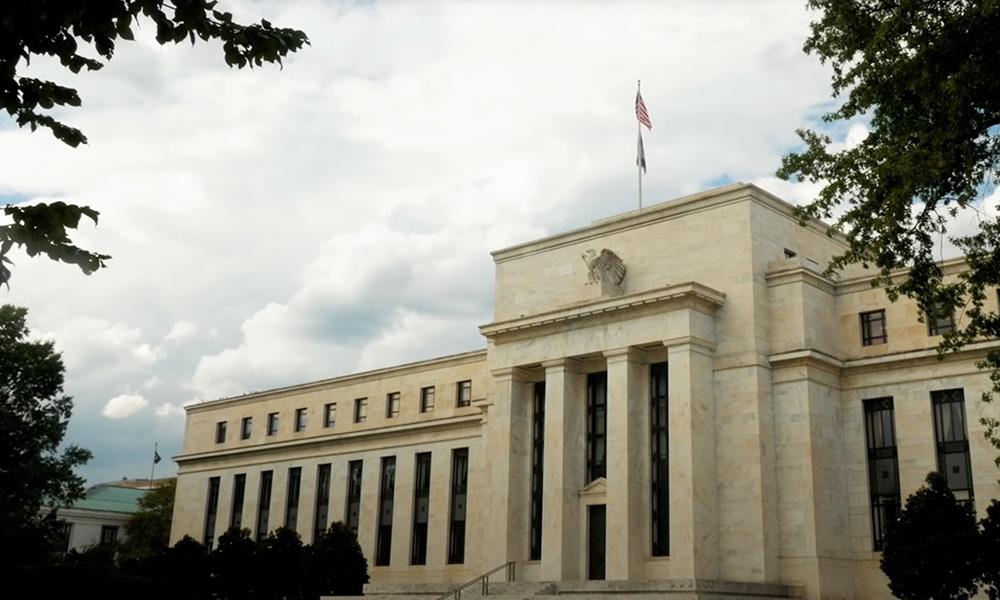
The interest rate decision, policy statement, and quarterly economic dot plot will be officially released at 2 a.m. tomorrow. Warsh will follow the arrangement of his predecessor, Powell, and hold the first press conference half an hour later.
It is worth noting that although Powell has stepped down as chairman, he remains a member of the Federal Reserve Board of Governors and retains his voting rights on the FOMC, and will participate in the vote on this interest rate decision.
This personnel change stems from previous policy controversies: Trump had repeatedly criticized Powell for not cutting interest rates enough, and in January of this year, the Department of Justice even launched a special investigation into Powell, which was ultimately rejected by the court due to lack of evidence.
This turmoil, ironically, prompted Powell to remain in office, causing the Trump administration to miss the opportunity to add seats to the Board of Governors, and also provided some assurance for the continuity of the Federal Reserve's policies.
Furthermore, reforming the communication mechanism will be an important direction for Warsh's term. During his Senate nomination hearing, he stated frankly that Federal Reserve officials have been making too many public statements and not enough substantive policy discussions. The market generally expects him to significantly reduce the frequency of public speeches and media exposure. There are also doubts about whether the dot plot will be retained . He aims to reduce the constraints of forward guidance on policy and make actions rather than words the core of policy.
At this policy meeting, the Federal Reserve will most likely maintain the federal funds rate at 3.50%-3.75%, continuing its policy stabilization efforts after several rounds of policy intervention.
The core driver of the policy statement adjustment is the support of fundamental data: the US labor market continues to be strong, with 172,000 new non-farm jobs added in May, marking the third consecutive month of strong growth, and the unemployment rate remaining stable at a low of 4.3%;
The geopolitical conflict in Iran has caused energy price fluctuations, coupled with rising wage pressures, to keep inflation significantly deviating from the 2% policy target.
Against this backdrop, analysts generally expect the Federal Reserve to remove the phrase "additional adjustments" from its policy statement, which had previously implied a subsequent rate cut.
After the revisions, the policy stance will shift completely to neutral, neither presupposing a path of interest rate cuts nor reserving flexibility to restart interest rate hikes if inflation is high in the future, thus breaking the market's inherent expectation that the Federal Reserve will maintain a semblance of easing.
Last month, although the Federal Reserve, led by Powell, announced that it would keep interest rates unchanged, three FOMC members voted against it. Such a large division within the Federal Open Market Committee is also rare in history.
Warsh himself has long opposed overly detailed forward guidance on monetary policy, and recently several Federal Reserve officials have also publicly expressed their support for removing the "accommodative bias" and shifting to a more flexible, neutral statement.
If the FOMC does indeed modify the wording regarding easing this time, it will be seen as satisfying the demands of hawkish members. Consequently, the market expects that the interest rate decision announced by Warsh in the first meeting will be unanimously approved . Currently, the market is betting on a greater than 95% probability that Warsh will announce that interest rates will remain unchanged.
This demonstrates both policy consensus and preserves space for rational disagreements within the institution—Wash once likened internal Fed discussions to healthy "family discussions."
The quarterly economic forecasts released this week will further clarify the Federal Reserve's interest rate decision: the vast majority of members expect no rate cuts throughout 2026, with the policy rate remaining locked in the 3.50%-3.75% range, and some officials even including a rate hike scenario for the year.
The core factor supporting this judgment is the stubbornness of inflation – institutional estimates suggest that overall US inflation will exceed 4% in the coming months and remain above 3% by the end of 2026, significantly deviating from the 2% target.
In the short term, the easing of the conflict with Iran has brought some variables: after the US and Iran reached a peace agreement, the Strait of Hormuz gradually resumed navigation, and international oil prices fell back to around $80 per barrel.
However, Federal Reserve officials need to be wary of the "lagging effect": a full recovery in shipping will still take time, the inflationary transmission caused by the previous surge in oil prices has not been fully digested, and the pressure of energy costs on prices continues to be released.
Market pricing has already priced in changes to the interest rate path: Investors are currently betting that the FOMC will raise interest rates by 25 basis points in December.
Michael Feroli, chief U.S. economist at JPMorgan Chase, pointed out that the committee, led by Warsh, may further revise its statement in this or subsequent meetings, or even gradually abolish forward guidance on interest rates, so that policy can better reflect real-time economic changes rather than be bound by pre-set statements.
According to David Mericle, chief U.S. economist at Goldman Sachs, the current oil price shock is a normal transmission of the traditional energy crisis and will not force the Federal Reserve to raise interest rates immediately in the short term, but medium- and long-term inflationary pressures will continue to suppress the room for easing.
Even if the economy remains resilient, the FOMC is more likely to determine that the current interest rate range is in line with fundamentals and that keeping it unchanged will be the benchmark choice.
Based on market pricing and Federal Reserve officials' expectations, the medium- to long-term upside risks to US interest rates have increased significantly. The removal of rate-cutting guidance and the upward revision of inflation and interest rate forecasts in the dot plot at this meeting mark the official end of the previously hyped "rate-cutting cycle."
In the short term, an interest rate range of 3.50%-3.75% will become the norm. If energy inflation and wage increases rebound again, the probability of a 25 basis point rate hike in December will continue to rise.
In the medium to long term, interest rate cuts are not expected to be implemented until at least mid-2027. In extreme scenarios, high interest rates may be maintained throughout 2026-2027.
For the market, the high-interest-rate environment will continue to suppress the valuation of risky assets, while supporting the strengthening of US Treasury yields and the US dollar. The easing trend for the whole year has lost its fundamental support, and the trading logic needs to shift to the two core elements of "high-interest-rate resilience" and "inflation stickiness".
This policy statement and press conference are full of highlights. Will Walsh mention Powell, who is still serving on the FOMC? Will the format of subsequent policy press conferences be changed? What wording adjustments will be made to the policy statement?
Key Point 1: Will Powell be mentioned, and will public communication methods be reformed?
The interest rate decision, policy statement, and quarterly economic dot plot will be officially released at 2 a.m. tomorrow. Warsh will follow the arrangement of his predecessor, Powell, and hold the first press conference half an hour later.
It is worth noting that although Powell has stepped down as chairman, he remains a member of the Federal Reserve Board of Governors and retains his voting rights on the FOMC, and will participate in the vote on this interest rate decision.
This personnel change stems from previous policy controversies: Trump had repeatedly criticized Powell for not cutting interest rates enough, and in January of this year, the Department of Justice even launched a special investigation into Powell, which was ultimately rejected by the court due to lack of evidence.
This turmoil, ironically, prompted Powell to remain in office, causing the Trump administration to miss the opportunity to add seats to the Board of Governors, and also provided some assurance for the continuity of the Federal Reserve's policies.
Furthermore, reforming the communication mechanism will be an important direction for Warsh's term. During his Senate nomination hearing, he stated frankly that Federal Reserve officials have been making too many public statements and not enough substantive policy discussions. The market generally expects him to significantly reduce the frequency of public speeches and media exposure. There are also doubts about whether the dot plot will be retained . He aims to reduce the constraints of forward guidance on policy and make actions rather than words the core of policy.
Point Two: Whether the wording will be revised is a point of interest.
At this policy meeting, the Federal Reserve will most likely maintain the federal funds rate at 3.50%-3.75%, continuing its policy stabilization efforts after several rounds of policy intervention.
The core driver of the policy statement adjustment is the support of fundamental data: the US labor market continues to be strong, with 172,000 new non-farm jobs added in May, marking the third consecutive month of strong growth, and the unemployment rate remaining stable at a low of 4.3%;
The geopolitical conflict in Iran has caused energy price fluctuations, coupled with rising wage pressures, to keep inflation significantly deviating from the 2% policy target.
Against this backdrop, analysts generally expect the Federal Reserve to remove the phrase "additional adjustments" from its policy statement, which had previously implied a subsequent rate cut.
After the revisions, the policy stance will shift completely to neutral, neither presupposing a path of interest rate cuts nor reserving flexibility to restart interest rate hikes if inflation is high in the future, thus breaking the market's inherent expectation that the Federal Reserve will maintain a semblance of easing.
Point 3: How many people voted against this time?
Last month, although the Federal Reserve, led by Powell, announced that it would keep interest rates unchanged, three FOMC members voted against it. Such a large division within the Federal Open Market Committee is also rare in history.
Warsh himself has long opposed overly detailed forward guidance on monetary policy, and recently several Federal Reserve officials have also publicly expressed their support for removing the "accommodative bias" and shifting to a more flexible, neutral statement.
If the FOMC does indeed modify the wording regarding easing this time, it will be seen as satisfying the demands of hawkish members. Consequently, the market expects that the interest rate decision announced by Warsh in the first meeting will be unanimously approved . Currently, the market is betting on a greater than 95% probability that Warsh will announce that interest rates will remain unchanged.
This demonstrates both policy consensus and preserves space for rational disagreements within the institution—Wash once likened internal Fed discussions to healthy "family discussions."
Institutional Viewpoint:
The quarterly economic forecasts released this week will further clarify the Federal Reserve's interest rate decision: the vast majority of members expect no rate cuts throughout 2026, with the policy rate remaining locked in the 3.50%-3.75% range, and some officials even including a rate hike scenario for the year.
The core factor supporting this judgment is the stubbornness of inflation – institutional estimates suggest that overall US inflation will exceed 4% in the coming months and remain above 3% by the end of 2026, significantly deviating from the 2% target.
In the short term, the easing of the conflict with Iran has brought some variables: after the US and Iran reached a peace agreement, the Strait of Hormuz gradually resumed navigation, and international oil prices fell back to around $80 per barrel.
However, Federal Reserve officials need to be wary of the "lagging effect": a full recovery in shipping will still take time, the inflationary transmission caused by the previous surge in oil prices has not been fully digested, and the pressure of energy costs on prices continues to be released.
Market pricing has already priced in changes to the interest rate path: Investors are currently betting that the FOMC will raise interest rates by 25 basis points in December.
Michael Feroli, chief U.S. economist at JPMorgan Chase, pointed out that the committee, led by Warsh, may further revise its statement in this or subsequent meetings, or even gradually abolish forward guidance on interest rates, so that policy can better reflect real-time economic changes rather than be bound by pre-set statements.
According to David Mericle, chief U.S. economist at Goldman Sachs, the current oil price shock is a normal transmission of the traditional energy crisis and will not force the Federal Reserve to raise interest rates immediately in the short term, but medium- and long-term inflationary pressures will continue to suppress the room for easing.
Even if the economy remains resilient, the FOMC is more likely to determine that the current interest rate range is in line with fundamentals and that keeping it unchanged will be the benchmark choice.
Summary: High interest rates have become the norm, and the window for interest rate cuts has been significantly delayed.
Based on market pricing and Federal Reserve officials' expectations, the medium- to long-term upside risks to US interest rates have increased significantly. The removal of rate-cutting guidance and the upward revision of inflation and interest rate forecasts in the dot plot at this meeting mark the official end of the previously hyped "rate-cutting cycle."
In the short term, an interest rate range of 3.50%-3.75% will become the norm. If energy inflation and wage increases rebound again, the probability of a 25 basis point rate hike in December will continue to rise.
In the medium to long term, interest rate cuts are not expected to be implemented until at least mid-2027. In extreme scenarios, high interest rates may be maintained throughout 2026-2027.
For the market, the high-interest-rate environment will continue to suppress the valuation of risky assets, while supporting the strengthening of US Treasury yields and the US dollar. The easing trend for the whole year has lost its fundamental support, and the trading logic needs to shift to the two core elements of "high-interest-rate resilience" and "inflation stickiness".
- Risk Warning and Disclaimer
- The market involves risk, and trading may not be suitable for all investors. This article is for reference only and does not constitute personal investment advice, nor does it take into account certain users’ specific investment objectives, financial situation, or other needs. Any investment decisions made based on this information are at your own risk.