Countries are expanding their oil storage facilities, which will increase the demand for replenishment by about 1 billion barrels in the coming years.
2026-06-24 13:11:37
This round of shipping disruptions in the Strait of Hormuz has resulted in over ten million barrels of crude oil being stranded daily in the Persian Gulf, triggering global energy supply shocks and sounding a risk alarm for countries heavily reliant on crude oil imports.
Countries are keenly aware of the vulnerability of relying on a single energy source. Currently, global oil importers and major oil-producing countries have launched storage expansion plans to enhance their energy emergency response capabilities and reshape the global energy reserve system by expanding strategic and commercial oil reserves. This will also continue to support the bottom range of international oil prices in the medium to long term.
Against the backdrop of continued geopolitical fragmentation, an energy supply crisis has become highly probable.
Previously, the market generally held a sense of complacency, believing that although the situation in the Middle East was tense for many years, the Strait of Hormuz, a key energy choke point, would not be completely shut down, and countries therefore relaxed their energy reserve construction for a long time. However, the nearly four-month suspension of navigation in the strait has completely shattered the market's preconceived notions, triggering an energy crisis in Asia, while also causing the US strategic petroleum reserves to fall to their lowest level since 1983, and WTI crude oil inventories in Cushing, Oklahoma, the delivery point, to approach the critical value of storage pressure, exposing a concentrated market risk.
Ample oil reserves can effectively mitigate supply shocks from conflicts and alleviate the drastic fluctuations in oil prices. At the same time, the massive expansion of global storage capacity requires huge quantities of crude oil and refined products, which will generate sustained new oil demand in the short to medium term, providing solid support for international oil prices.
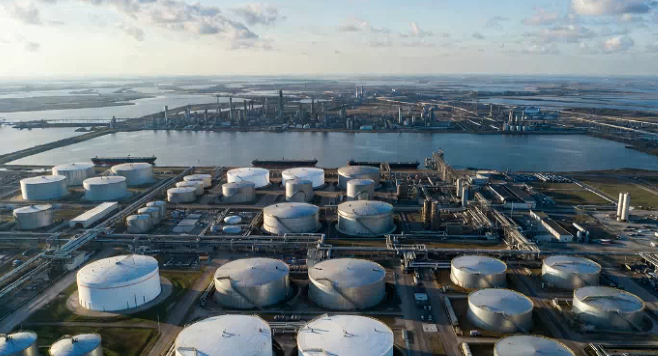
Currently, many countries in the Asia-Pacific region and Oceania have launched oil reserve expansion plans, with the total new storage capacity expected to require 500 million barrels of oil and gas resources to fill. Meanwhile, member countries of the International Energy Agency need to replenish the 400 million barrels of inventory released from reserves previously—the largest joint release in history . Coupled with inventory depletion due to the peak summer oil consumption season, global restocking demand is further increasing, and the overall restocking scale in the coming years may reach 1 billion barrels, potentially driving a recovery in global crude oil demand starting next year.
As the world's third-largest crude oil importer, India was among the first to launch a reserve expansion project. Not a member of the International Energy Agency, its existing strategic petroleum reserves are only sufficient for eight days of consumption, and the current crisis has fully exposed its energy vulnerability. The Indian government has commissioned its state-owned oil and gas company to construct a new reserve base, with a project investment of $1.6 billion.
Pakistan, on the other hand, is leveraging the Gwadar Port Energy City plan to introduce oil-producing countries in the Persian Gulf to build crude oil buffer reserves, and has clearly stipulated that its own country has priority in using the reserves in a state of emergency.
Singapore, a global core oil hub, is also actively exploring underground storage space and continuously expanding its refined oil reserves.
Australia has long failed to meet the International Energy Agency's 90-day reserve requirement. During the recent energy crisis, due to refining equipment failures and disruptions in overseas fuel supplies, it relied heavily on imported aviation kerosene to ensure its supply. To address this, the Australian government plans to invest US$7 billion to improve its domestic refined petroleum product reserve system through mandatory inventory control and dedicated oil storage projects.
This energy crisis has not only prompted importing countries to replenish their inventories and expand their capacity, but major global crude oil exporting countries are also proactively taking measures to mitigate geopolitical and shipping risks.
Saudi Arabia, the world's largest crude oil exporter, has officially launched its global storage expansion plan. Saudi Aramco Chairman Yasir Al-Rumayyan said that the company has already established multiple storage facilities in Asia and will continue to expand its global oil storage bases to improve its global energy reserve layout and ensure its crude oil export capacity during critical periods.
In conclusion, the Strait of Hormuz shipping crisis has fundamentally reshaped global perceptions of energy security, prompting countries to abandon their previous passive risk-averse approach and proactively increase their oil reserve construction. Whether it's the replenishment and expansion of importing countries' reserves or the global storage layout of oil-producing nations, both will create long-term, inelastic demand for crude oil.
Against the backdrop of persistent global geopolitical risks, upgrading oil reserve systems will become a long-term trend, which will not only strengthen the bottom line of energy security for all countries, but also continue to affect the international crude oil supply and demand pattern and price trend.
Countries are keenly aware of the vulnerability of relying on a single energy source. Currently, global oil importers and major oil-producing countries have launched storage expansion plans to enhance their energy emergency response capabilities and reshape the global energy reserve system by expanding strategic and commercial oil reserves. This will also continue to support the bottom range of international oil prices in the medium to long term.
The shipping crisis exposed weaknesses, and oil reserves became a key tool for risk aversion.
Against the backdrop of continued geopolitical fragmentation, an energy supply crisis has become highly probable.
Previously, the market generally held a sense of complacency, believing that although the situation in the Middle East was tense for many years, the Strait of Hormuz, a key energy choke point, would not be completely shut down, and countries therefore relaxed their energy reserve construction for a long time. However, the nearly four-month suspension of navigation in the strait has completely shattered the market's preconceived notions, triggering an energy crisis in Asia, while also causing the US strategic petroleum reserves to fall to their lowest level since 1983, and WTI crude oil inventories in Cushing, Oklahoma, the delivery point, to approach the critical value of storage pressure, exposing a concentrated market risk.
Ample oil reserves can effectively mitigate supply shocks from conflicts and alleviate the drastic fluctuations in oil prices. At the same time, the massive expansion of global storage capacity requires huge quantities of crude oil and refined products, which will generate sustained new oil demand in the short to medium term, providing solid support for international oil prices.
Many countries are implementing oil storage plans to comprehensively address shortcomings in energy security.
Currently, many countries in the Asia-Pacific region and Oceania have launched oil reserve expansion plans, with the total new storage capacity expected to require 500 million barrels of oil and gas resources to fill. Meanwhile, member countries of the International Energy Agency need to replenish the 400 million barrels of inventory released from reserves previously—the largest joint release in history . Coupled with inventory depletion due to the peak summer oil consumption season, global restocking demand is further increasing, and the overall restocking scale in the coming years may reach 1 billion barrels, potentially driving a recovery in global crude oil demand starting next year.
As the world's third-largest crude oil importer, India was among the first to launch a reserve expansion project. Not a member of the International Energy Agency, its existing strategic petroleum reserves are only sufficient for eight days of consumption, and the current crisis has fully exposed its energy vulnerability. The Indian government has commissioned its state-owned oil and gas company to construct a new reserve base, with a project investment of $1.6 billion.
Pakistan, on the other hand, is leveraging the Gwadar Port Energy City plan to introduce oil-producing countries in the Persian Gulf to build crude oil buffer reserves, and has clearly stipulated that its own country has priority in using the reserves in a state of emergency.
Singapore, a global core oil hub, is also actively exploring underground storage space and continuously expanding its refined oil reserves.
Australia has long failed to meet the International Energy Agency's 90-day reserve requirement. During the recent energy crisis, due to refining equipment failures and disruptions in overseas fuel supplies, it relied heavily on imported aviation kerosene to ensure its supply. To address this, the Australian government plans to invest US$7 billion to improve its domestic refined petroleum product reserve system through mandatory inventory control and dedicated oil storage projects.
Oil-producing countries are simultaneously developing global storage systems, which are rapidly taking shape.
This energy crisis has not only prompted importing countries to replenish their inventories and expand their capacity, but major global crude oil exporting countries are also proactively taking measures to mitigate geopolitical and shipping risks.
Saudi Arabia, the world's largest crude oil exporter, has officially launched its global storage expansion plan. Saudi Aramco Chairman Yasir Al-Rumayyan said that the company has already established multiple storage facilities in Asia and will continue to expand its global oil storage bases to improve its global energy reserve layout and ensure its crude oil export capacity during critical periods.
Summarize
In conclusion, the Strait of Hormuz shipping crisis has fundamentally reshaped global perceptions of energy security, prompting countries to abandon their previous passive risk-averse approach and proactively increase their oil reserve construction. Whether it's the replenishment and expansion of importing countries' reserves or the global storage layout of oil-producing nations, both will create long-term, inelastic demand for crude oil.
Against the backdrop of persistent global geopolitical risks, upgrading oil reserve systems will become a long-term trend, which will not only strengthen the bottom line of energy security for all countries, but also continue to affect the international crude oil supply and demand pattern and price trend.
- Risk Warning and Disclaimer
- The market involves risk, and trading may not be suitable for all investors. This article is for reference only and does not constitute personal investment advice, nor does it take into account certain users’ specific investment objectives, financial situation, or other needs. Any investment decisions made based on this information are at your own risk.