Federal Reserve Chairman Warsh has shortcomings that limit his policy influence.
2026-06-29 13:26:39
The market widely anticipates that new Federal Reserve Chairman Kevin Warsh will drastically reshape the Fed's operating framework. However, many investors remain concerned, believing that his policy focus may lean towards appeasing the administration rather than improving the monetary policy system. Considering the Fed's institutional rules, the internal operating logic of the committee, and Warsh's own communication style, his actual policy influence is clearly constrained.
In the long run, the market will gradually correct its expectations and realize that its reform and policy regulation capabilities are far less than the market currently imagines.
Many investors' concerns are based on reality. The Federal Open Market Committee has twelve voting members who jointly decide the direction of monetary policy, and Warsh's appointment only changed one of their votes.
From the perspective of legal authority, the chairman is only responsible for arranging meeting agendas, managing the board's research team, and participating in personnel appointment and removal recommendations. These powers fall under the scope of process management and do not have the legal authority to unilaterally influence core policies such as interest rates and balance sheet reduction.
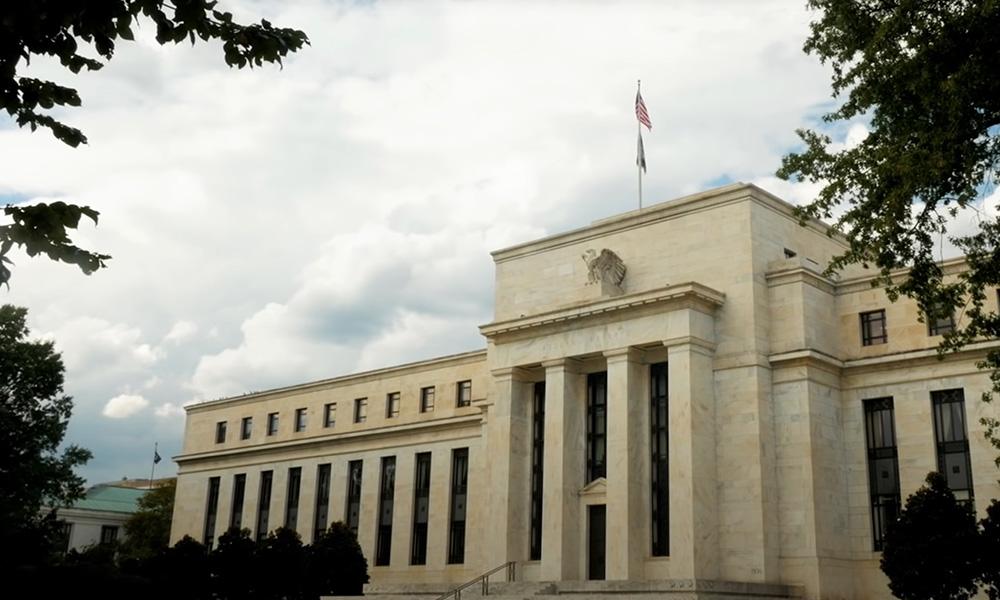
Warsh's nomination as Federal Reserve Chairman by Trump has raised concerns in the market that his close ties to the executive branch could make his policy decisions susceptible to political influence. Furthermore, he lacks a formal economics background and belongs to a minority group on the Federal Open Market Committee. Former Fed Chairman Powell, similarly not a formally trained economist, dedicated himself to economic discussions and earned the unanimous approval of the committee through rigorous analytical logic. Whether Warsh can replicate this path to building credibility remains to be seen.
Successive Federal Reserve chairmen with significant influence relied not on their official titles, but on professional judgments accepted within the committee. The ability of Volcker, Greenspan, Bernanke, and Powell to guide policy direction stemmed from the other committee members' trust in their economic projections and risk assessments.
Federal Open Market Committee members highly value their independent decision-making power. If the chairman merely conveys external political demands without supporting objective economic data, he will gradually lose the trust of his colleagues and find it difficult to reach a consensus on policy.
Walsh is widely recognized for his sharp thinking and adeptness at interpersonal and political maneuvering, but these abilities are not applicable to the internal power struggles within the committee. A voice within the committee can only be earned gradually through solid economic analysis in each meeting; it is not automatically acquired upon the chairman's appointment.
Warsh has sent a clear signal that he plans to reduce the Federal Reserve's public communication channels and the number of press conferences. In the last policy meeting, he didn't even submit his personal economic projections dot plot. While Federal Reserve Board members have historically refrained from publicly expressing views contrary to the Chairman's, regional Fed presidents are not bound by this tacit agreement. Their regional boards require them to maintain media exposure and regularly express their opinions.
If the Fed Chair voluntarily reduces public statements while other committee members continue to express their views, the market will not experience a period of calm; instead, an information vacuum will form, and the statements of regional Fed presidents will dominate market interpretation. Actively withdrawing from the public eye will not amplify the Chair's influence; it will only allow other committee members to seize control of the market narrative, further weakening the Chair's policy guidance effect.
Considering the combined factors of institutional constraints, internal trust levels, and external communication strategies, Kevin Warsh's inherent conditions for reshaping the Federal Reserve are not ideal. The market currently overestimates his ability to control the Federal Open Market Committee and adjust monetary policy. As a series of policy meetings conclude, market expectations will gradually return to rationality, recognizing that his policy maneuvering has a significant upper limit. Simply relying on political connections is unlikely to reverse the underlying operating logic of the Fed's collective decision-making.
In the long run, the market will gradually correct its expectations and realize that its reform and policy regulation capabilities are far less than the market currently imagines.
Due to institutional constraints, the chairman has only one vote.
Many investors' concerns are based on reality. The Federal Open Market Committee has twelve voting members who jointly decide the direction of monetary policy, and Warsh's appointment only changed one of their votes.
From the perspective of legal authority, the chairman is only responsible for arranging meeting agendas, managing the board's research team, and participating in personnel appointment and removal recommendations. These powers fall under the scope of process management and do not have the legal authority to unilaterally influence core policies such as interest rates and balance sheet reduction.
The Federal Reserve's influence relies primarily on its internal credibility, which cannot be replaced by political advantages.
Warsh's nomination as Federal Reserve Chairman by Trump has raised concerns in the market that his close ties to the executive branch could make his policy decisions susceptible to political influence. Furthermore, he lacks a formal economics background and belongs to a minority group on the Federal Open Market Committee. Former Fed Chairman Powell, similarly not a formally trained economist, dedicated himself to economic discussions and earned the unanimous approval of the committee through rigorous analytical logic. Whether Warsh can replicate this path to building credibility remains to be seen.
Successive Federal Reserve chairmen with significant influence relied not on their official titles, but on professional judgments accepted within the committee. The ability of Volcker, Greenspan, Bernanke, and Powell to guide policy direction stemmed from the other committee members' trust in their economic projections and risk assessments.
Federal Open Market Committee members highly value their independent decision-making power. If the chairman merely conveys external political demands without supporting objective economic data, he will gradually lose the trust of his colleagues and find it difficult to reach a consensus on policy.
Walsh is widely recognized for his sharp thinking and adeptness at interpersonal and political maneuvering, but these abilities are not applicable to the internal power struggles within the committee. A voice within the committee can only be earned gradually through solid economic analysis in each meeting; it is not automatically acquired upon the chairman's appointment.
Reducing external communication strategies will lead to a loss of influence in public discourse.
Warsh has sent a clear signal that he plans to reduce the Federal Reserve's public communication channels and the number of press conferences. In the last policy meeting, he didn't even submit his personal economic projections dot plot. While Federal Reserve Board members have historically refrained from publicly expressing views contrary to the Chairman's, regional Fed presidents are not bound by this tacit agreement. Their regional boards require them to maintain media exposure and regularly express their opinions.
If the Fed Chair voluntarily reduces public statements while other committee members continue to express their views, the market will not experience a period of calm; instead, an information vacuum will form, and the statements of regional Fed presidents will dominate market interpretation. Actively withdrawing from the public eye will not amplify the Chair's influence; it will only allow other committee members to seize control of the market narrative, further weakening the Chair's policy guidance effect.
Summarize
Considering the combined factors of institutional constraints, internal trust levels, and external communication strategies, Kevin Warsh's inherent conditions for reshaping the Federal Reserve are not ideal. The market currently overestimates his ability to control the Federal Open Market Committee and adjust monetary policy. As a series of policy meetings conclude, market expectations will gradually return to rationality, recognizing that his policy maneuvering has a significant upper limit. Simply relying on political connections is unlikely to reverse the underlying operating logic of the Fed's collective decision-making.
- Risk Warning and Disclaimer
- The market involves risk, and trading may not be suitable for all investors. This article is for reference only and does not constitute personal investment advice, nor does it take into account certain users’ specific investment objectives, financial situation, or other needs. Any investment decisions made based on this information are at your own risk.