Institutional outlook for commodities in the second half of the year: Gold under pressure, crude oil and copper markets present structural opportunities.
2026-07-01 10:56:44
JPMorgan Chase has just released its latest assessment of the commodities market for the second half of 2026. The firm points out that the Federal Reserve's hawkish monetary policy continues to suppress the pace of gold's rise, causing the gold bull market to enter a deep consolidation phase. In contrast, the clear recovery in oil supply and demand and the continued strengthening of copper's fundamentals make them more advantageous asset classes at present. At the same time, the firm has revised its assessment of gold's asset attributes, breaking the market's traditional perception of it as a safe haven and providing a new reference logic for asset allocation.
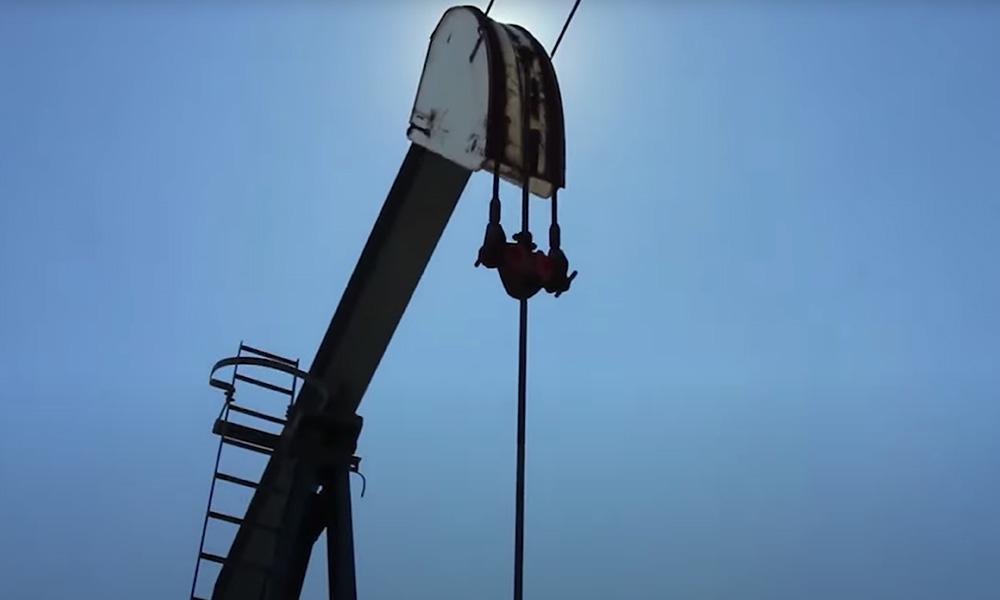
Gregory Shearer, head of base and precious metals strategy at JPMorgan Chase, said the progress of the Strait of Hormuz's reopening is the key variable in the current oil market. The firm estimates that crude oil traffic through the strait will recover to 68% of pre-conflict levels by July this year, and will be fully restored to normal capacity by the end of 2026. Summer will see a significant increase in crude oil supply, followed by a steady recovery cycle.
According to OECD inventory data, the global crude oil supply-demand gap from the end of February to August was close to 1.6 billion barrels. However, the decline in commercial inventories was less than expected, reflecting a greater-than-expected contraction in market demand, which effectively weakened the upward momentum of oil prices. The organization predicts that the average price of Brent crude oil will steadily decline in the second half of 2026, averaging $86 per barrel in the third quarter, $80 per barrel in the fourth quarter, and closing at around $78 per barrel at the end of the year. The overall trend is better than the forward curve pricing, and oil prices may further decline to $64 per barrel in 2027.
Among metals, gold has been most significantly suppressed by policy factors. On May 8th, Gregory Shearer stated that Federal Reserve Chairman Kevin Warsh's hawkish remarks, coupled with the latest Federal Open Market Committee policy tone, completely disrupted the structural upward trend of gold. With interest rate hike expectations continuing to loom over the market, market participants' willingness to engage in gold trading has cooled considerably, and gold prices have entered a period of consolidation and fluctuation.
On April 9th, Tai Hui, Chief Market Strategist for Asia Pacific at JPMorgan Asset Management, offered a fresh interpretation of gold's attributes. He stated that the 24% pullback in gold prices during the Iranian conflict definitively proves the failure of gold's geopolitical safe-haven status. Over the past thirty years, gold's probability of rising or falling in geopolitical risk events has been roughly 50/50, making its hedging effect extremely unstable. Furthermore, gold's inherent weaknesses—high volatility, no returns, and inherent holding costs—make it unreliable as a risk hedging tool.
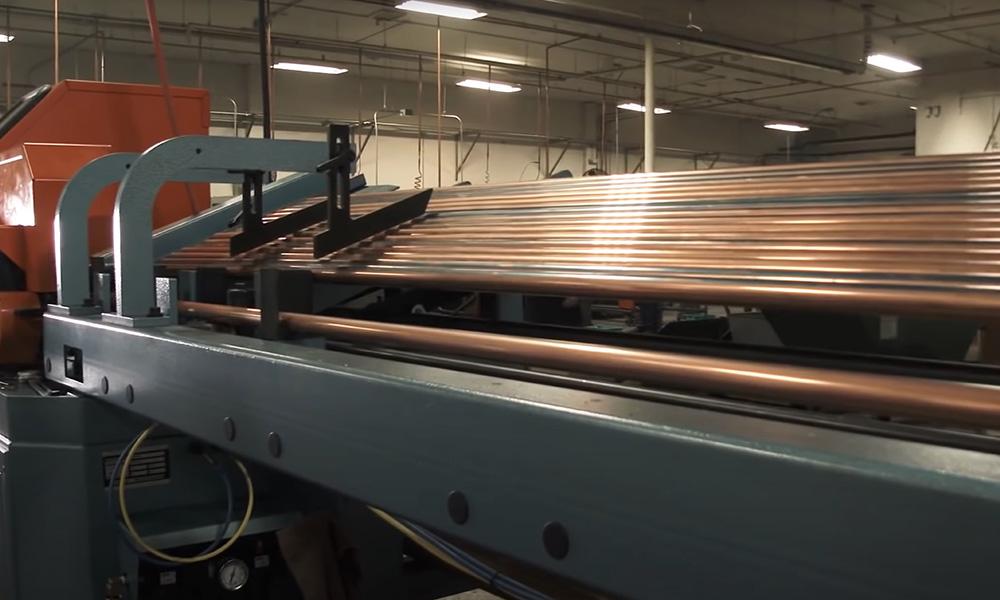
Amidst downward pressure on gold prices, the copper market has exhibited an independent structural trend, becoming a key investment target for institutions.
Gregory Shiller stated that the global industrial recovery, coupled with rising expectations of an economic recovery in China in the second half of the year, will continue to boost copper consumption demand. However, weak global copper mine capacity expansion and a persistent supply shortage are exacerbating the supply-demand mismatch.
Furthermore, the review of US refined copper tariffs has become the biggest positive variable for copper prices. Currently, the competition for copper resources between China and the US is intensifying, and the supply and demand situation in markets outside the US is extremely tight. This institution predicts that the US will maintain a flexible tariff policy, continuing the resource competition and driving copper prices steadily upward, potentially reaching the $15,000 per ton mark.
Despite short-term market pressures and a weakening of its safe-haven appeal, JPMorgan Chase remains bearish on gold's long-term outlook. The institution emphasizes that gold remains a high-quality asset allocation, with the core logic being the continued gold purchases by global central banks, the demand for hedging driven by excessive money supply and debt expansion, and the continued support for gold prices from limited mineral supply.
The institution's previous research report pointed out that gold prices have risen by more than 170% in five years, with geopolitical differences and currency devaluation being the core driving forces. The short-term adjustment is only a temporary pause, and the foundation for a long-term bull market is solid.
Overall, the commodity market is expected to see significant structural differentiation in the second half of 2026. Gold prices will be under pressure in the short term due to the Federal Reserve's hawkish policies, weakening its safe-haven appeal and reverting to its position as a yield-generating asset. Crude oil supply and demand are steadily recovering, with prices outperforming market expectations. Copper, with its tight supply and demand situation coupled with favorable policies, offers ample growth potential and is poised to become the most cost-effective commodity in the second half of the year.
Crude oil supply and demand are steadily recovering, and the price range for the second half of the year is clear.
Gregory Shearer, head of base and precious metals strategy at JPMorgan Chase, said the progress of the Strait of Hormuz's reopening is the key variable in the current oil market. The firm estimates that crude oil traffic through the strait will recover to 68% of pre-conflict levels by July this year, and will be fully restored to normal capacity by the end of 2026. Summer will see a significant increase in crude oil supply, followed by a steady recovery cycle.
According to OECD inventory data, the global crude oil supply-demand gap from the end of February to August was close to 1.6 billion barrels. However, the decline in commercial inventories was less than expected, reflecting a greater-than-expected contraction in market demand, which effectively weakened the upward momentum of oil prices. The organization predicts that the average price of Brent crude oil will steadily decline in the second half of 2026, averaging $86 per barrel in the third quarter, $80 per barrel in the fourth quarter, and closing at around $78 per barrel at the end of the year. The overall trend is better than the forward curve pricing, and oil prices may further decline to $64 per barrel in 2027.
Gold prices cool down, leading to a redefinition of its asset attributes.
Among metals, gold has been most significantly suppressed by policy factors. On May 8th, Gregory Shearer stated that Federal Reserve Chairman Kevin Warsh's hawkish remarks, coupled with the latest Federal Open Market Committee policy tone, completely disrupted the structural upward trend of gold. With interest rate hike expectations continuing to loom over the market, market participants' willingness to engage in gold trading has cooled considerably, and gold prices have entered a period of consolidation and fluctuation.
On April 9th, Tai Hui, Chief Market Strategist for Asia Pacific at JPMorgan Asset Management, offered a fresh interpretation of gold's attributes. He stated that the 24% pullback in gold prices during the Iranian conflict definitively proves the failure of gold's geopolitical safe-haven status. Over the past thirty years, gold's probability of rising or falling in geopolitical risk events has been roughly 50/50, making its hedging effect extremely unstable. Furthermore, gold's inherent weaknesses—high volatility, no returns, and inherent holding costs—make it unreliable as a risk hedging tool.
With a broad-based improvement in copper market fundamentals, it has become a core investment target for the second half of the year.
Amidst downward pressure on gold prices, the copper market has exhibited an independent structural trend, becoming a key investment target for institutions.
Gregory Shiller stated that the global industrial recovery, coupled with rising expectations of an economic recovery in China in the second half of the year, will continue to boost copper consumption demand. However, weak global copper mine capacity expansion and a persistent supply shortage are exacerbating the supply-demand mismatch.
Furthermore, the review of US refined copper tariffs has become the biggest positive variable for copper prices. Currently, the competition for copper resources between China and the US is intensifying, and the supply and demand situation in markets outside the US is extremely tight. This institution predicts that the US will maintain a flexible tariff policy, continuing the resource competition and driving copper prices steadily upward, potentially reaching the $15,000 per ton mark.
Gold retains its long-term value, and the bull market trend has not ended.
Despite short-term market pressures and a weakening of its safe-haven appeal, JPMorgan Chase remains bearish on gold's long-term outlook. The institution emphasizes that gold remains a high-quality asset allocation, with the core logic being the continued gold purchases by global central banks, the demand for hedging driven by excessive money supply and debt expansion, and the continued support for gold prices from limited mineral supply.
The institution's previous research report pointed out that gold prices have risen by more than 170% in five years, with geopolitical differences and currency devaluation being the core driving forces. The short-term adjustment is only a temporary pause, and the foundation for a long-term bull market is solid.
Summarize
Overall, the commodity market is expected to see significant structural differentiation in the second half of 2026. Gold prices will be under pressure in the short term due to the Federal Reserve's hawkish policies, weakening its safe-haven appeal and reverting to its position as a yield-generating asset. Crude oil supply and demand are steadily recovering, with prices outperforming market expectations. Copper, with its tight supply and demand situation coupled with favorable policies, offers ample growth potential and is poised to become the most cost-effective commodity in the second half of the year.
- Risk Warning and Disclaimer
- The market involves risk, and trading may not be suitable for all investors. This article is for reference only and does not constitute personal investment advice, nor does it take into account certain users’ specific investment objectives, financial situation, or other needs. Any investment decisions made based on this information are at your own risk.