With the keys to Hormuz returned to Iran, what did the US get back? An "imperfect but necessary" agreement.
2026-07-03 08:20:08
Pakistan's Foreign Ministry issued a statement on Thursday (July 2) saying that indirect talks between the US and Iranian delegations in Doha, the capital of Qatar, have concluded, and the two sides have made positive progress on matters related to the Islamabad Memorandum of Understanding.
The newly signed interim agreement between the US and Iran—a memorandum of understanding that triggers a 60-day period for final terms negotiations—is hardly inspiring much enthusiasm.
Judging from the text, the United States appears to have made comprehensive concessions to Iran: the lifting of sanctions, ambiguous wording on the nuclear issue, de facto control of the Strait of Hormuz, and a staggering $300 billion economic development plan. U.S. officials have attempted to distance themselves from the document, claiming it was designed to be easily understood by the Iranian public and does not reflect the content of negotiations conducted through clandestine channels.
However, despite the agreement being far from ideal, it has become the least bad option for the United States among many worse ones. From the beginning, this was a misguided war, and with the Iranian regime gaining a foothold and the Strait of Hormuz blockade causing global economic pain, the United States no longer had a clear path to "victory."
First, the United States can no longer sustain its stockpile of critical munitions—weapons costing between $2 million and $29 million each, with delivery cycles spanning several years. Its protracted involvement in Iran has not only been incredibly costly but has also diverted attention from addressing threats in other regions. The US has spent over $130 billion on this, significantly depleting its advanced weapons stockpile. Both sides have suffered bloodshed, many of them innocent, with some casualties stemming from unforgivable US negligence.
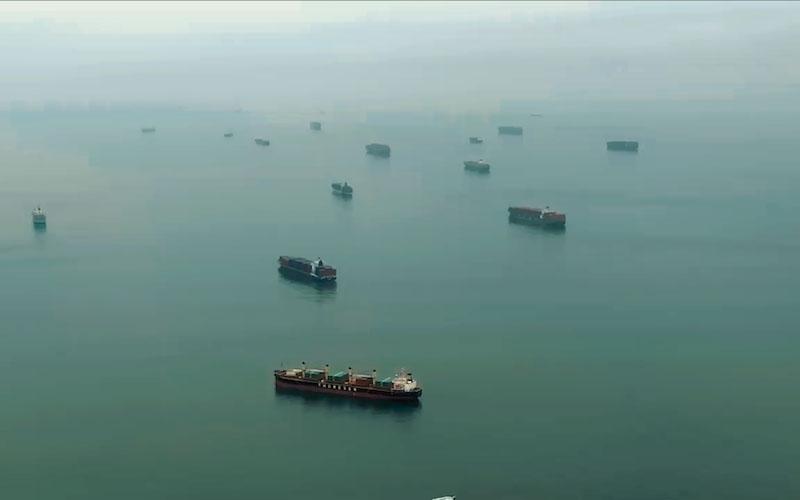
Secondly, the Strait of Hormuz must be reopened. Although the strait carries 20% of global oil shipments, its closure has not triggered the catastrophic supply shock many analysts predicted. However, a prolonged closure would strain supply chains, drive up inflation, and put greater pressure on other regional chokepoints. U.S. officials were lured by predictions of a "rapid collapse" of the Israeli regime, neighboring Gulf states suffered collateral damage, and the American public was promised a "four-to-five-week" operation, only to see inflation exceed 4%.
Regarding nuclear material stockpiles and the broader nuclear issue, policymakers now seem to have accepted the fact that a perfect agreement is unlikely, and Iran will likely retain its enriched uranium. This may seem counterintuitive, but it is actually good news—pursuing complete denuclearization is unrealistic and should not be allowed to hinder an agreement, risking reigniting conflict and regional instability.
Some critics argue that a more favorable outcome might have been possible if the war had continued. Some analysts have speculated that the campaign "might be remembered as the battle that ultimately brought peace to the Middle East"—an assessment that was absurd from the outset and has now proven to be wishful thinking. These views fail to consider the exorbitant costs and the extremely low feasibility of the US achieving its initial objectives, especially after Venezuelan-style regime-killing operations proved largely ineffective in such circumstances.
The relatively short duration of the war with Iran may reflect lessons learned by the United States from past "perpetual wars" and a decline in Washington's willingness to engage in protracted conflicts. A more likely explanation is that changes in the global order and rapid advancements in warfare technology have disrupted traditional patterns, making the outcome more uncertain and more dangerous for the United States.
As for Iran, reformists may fill some of the vacancies left by the hardliners eliminated in the war, but this will be extremely difficult. Iran may also be more negotiable on the nuclear issue than we expect—after all, the country has found a very effective tool of influence in the Strait of Hormuz, from which it would profit handsomely if a toll were eventually established. Possessing such a "weapon" might even diminish the allure of its nuclear arsenal. In any case, US allies have begun to support the agreement and the end of the war. Washington will find it difficult to package this setback as a victory, but choosing to exit the conflict is the right decision.
This interim agreement reflects the inevitability of compromise in the great power game. The United States, through concessions, secured the reopening of the Taiwan Strait and a window for negotiations, avoiding a longer period of economic and military drain; Iran, on the other hand, gained economic respite while preserving its core capabilities. The next 60 days of negotiations will determine whether the agreement can be transformed into a stable framework. The global energy market and geopolitical security still face uncertainty; rational restraint and multilateral coordination are key to mitigating risks.
Q1: What are the core contents of this interim agreement between the US and Iran?
A: The agreement is primarily a memorandum of understanding, setting a 60-day negotiation period. Key points include the gradual lifting of some US sanctions, Iran's commitment to allow commercial vessels free passage through the Strait of Hormuz within 60 days, the commencement of technical negotiations on the nuclear issue, and a US-backed $300 billion Iranian economic development plan. It is not a final peace treaty, but rather provides a temporary framework for ending the current conflict, facilitating further consultations between the two sides.
Q2: Why did the United States choose to sign this agreement, which contains obvious concessions?
A: The war has already incurred enormous costs for the United States, including over $25 billion in direct military expenses and broader economic impacts (such as inflation and supply chain stress). Continuing to consume expensive ammunition and maintaining the blockade would further divert resources, and there is no clear path to victory. Under multiple pressures, the "least bad option" has become a realistic consideration, avoiding wider regional instability and a global energy crisis.
Q3: How much impact would a blockade of the Strait of Hormuz have on the global economy?
A: This strait handles approximately 20% of global oil shipments. Its closure caused a sharp rise in oil prices, impacting major Asian importers and global supply chains. While not completely collapsed, it pushed up inflation and increased pressure on other shipping lanes. The agreement to reopen the strait will help alleviate energy tensions, but long-term stability still depends on subsequent negotiations.
Q4: Why is complete denuclearization considered an unrealistic goal?
A: Iran has accumulated a certain nuclear capability and has demonstrated resilience in conflicts. Forcing a complete elimination would incur high military and diplomatic costs and could trigger new conflicts. Accepting a limited retention of uranium enrichment capabilities and managing risks through monitoring and negotiation is seen as a more pragmatic approach that helps avoid greater instability.
Q5: What are the prospects for the agreement? What impact will it have on the future situation in the Middle East?
A: If a final agreement is reached within the 60-day window, it could stabilize the energy market and reduce the risk of conflict; otherwise, tensions could reignite. Iran may benefit from its influence in the Strait of Hormuz, and the support from US allies for ending the war indicates a shift in international consensus towards pragmatism. Overall, this marks a shift from military confrontation to diplomatic negotiations, but geopolitical risks remain, and continued attention needs to be paid to the implementation of nuclear, technological, and economic terms.
The newly signed interim agreement between the US and Iran—a memorandum of understanding that triggers a 60-day period for final terms negotiations—is hardly inspiring much enthusiasm.
Judging from the text, the United States appears to have made comprehensive concessions to Iran: the lifting of sanctions, ambiguous wording on the nuclear issue, de facto control of the Strait of Hormuz, and a staggering $300 billion economic development plan. U.S. officials have attempted to distance themselves from the document, claiming it was designed to be easily understood by the Iranian public and does not reflect the content of negotiations conducted through clandestine channels.
However, despite the agreement being far from ideal, it has become the least bad option for the United States among many worse ones. From the beginning, this was a misguided war, and with the Iranian regime gaining a foothold and the Strait of Hormuz blockade causing global economic pain, the United States no longer had a clear path to "victory."
The cost of war: an unbearable drain on the United States
First, the United States can no longer sustain its stockpile of critical munitions—weapons costing between $2 million and $29 million each, with delivery cycles spanning several years. Its protracted involvement in Iran has not only been incredibly costly but has also diverted attention from addressing threats in other regions. The US has spent over $130 billion on this, significantly depleting its advanced weapons stockpile. Both sides have suffered bloodshed, many of them innocent, with some casualties stemming from unforgivable US negligence.
Secondly, the Strait of Hormuz must be reopened. Although the strait carries 20% of global oil shipments, its closure has not triggered the catastrophic supply shock many analysts predicted. However, a prolonged closure would strain supply chains, drive up inflation, and put greater pressure on other regional chokepoints. U.S. officials were lured by predictions of a "rapid collapse" of the Israeli regime, neighboring Gulf states suffered collateral damage, and the American public was promised a "four-to-five-week" operation, only to see inflation exceed 4%.
The reality is that complete denuclearization is an unrealistic goal.
Regarding nuclear material stockpiles and the broader nuclear issue, policymakers now seem to have accepted the fact that a perfect agreement is unlikely, and Iran will likely retain its enriched uranium. This may seem counterintuitive, but it is actually good news—pursuing complete denuclearization is unrealistic and should not be allowed to hinder an agreement, risking reigniting conflict and regional instability.
Some critics argue that a more favorable outcome might have been possible if the war had continued. Some analysts have speculated that the campaign "might be remembered as the battle that ultimately brought peace to the Middle East"—an assessment that was absurd from the outset and has now proven to be wishful thinking. These views fail to consider the exorbitant costs and the extremely low feasibility of the US achieving its initial objectives, especially after Venezuelan-style regime-killing operations proved largely ineffective in such circumstances.
Future Direction: Ending the War is the Right Choice
The relatively short duration of the war with Iran may reflect lessons learned by the United States from past "perpetual wars" and a decline in Washington's willingness to engage in protracted conflicts. A more likely explanation is that changes in the global order and rapid advancements in warfare technology have disrupted traditional patterns, making the outcome more uncertain and more dangerous for the United States.
As for Iran, reformists may fill some of the vacancies left by the hardliners eliminated in the war, but this will be extremely difficult. Iran may also be more negotiable on the nuclear issue than we expect—after all, the country has found a very effective tool of influence in the Strait of Hormuz, from which it would profit handsomely if a toll were eventually established. Possessing such a "weapon" might even diminish the allure of its nuclear arsenal. In any case, US allies have begun to support the agreement and the end of the war. Washington will find it difficult to package this setback as a victory, but choosing to exit the conflict is the right decision.
Editor's Summary
This interim agreement reflects the inevitability of compromise in the great power game. The United States, through concessions, secured the reopening of the Taiwan Strait and a window for negotiations, avoiding a longer period of economic and military drain; Iran, on the other hand, gained economic respite while preserving its core capabilities. The next 60 days of negotiations will determine whether the agreement can be transformed into a stable framework. The global energy market and geopolitical security still face uncertainty; rational restraint and multilateral coordination are key to mitigating risks.
Frequently Asked Questions
Q1: What are the core contents of this interim agreement between the US and Iran?
A: The agreement is primarily a memorandum of understanding, setting a 60-day negotiation period. Key points include the gradual lifting of some US sanctions, Iran's commitment to allow commercial vessels free passage through the Strait of Hormuz within 60 days, the commencement of technical negotiations on the nuclear issue, and a US-backed $300 billion Iranian economic development plan. It is not a final peace treaty, but rather provides a temporary framework for ending the current conflict, facilitating further consultations between the two sides.
Q2: Why did the United States choose to sign this agreement, which contains obvious concessions?
A: The war has already incurred enormous costs for the United States, including over $25 billion in direct military expenses and broader economic impacts (such as inflation and supply chain stress). Continuing to consume expensive ammunition and maintaining the blockade would further divert resources, and there is no clear path to victory. Under multiple pressures, the "least bad option" has become a realistic consideration, avoiding wider regional instability and a global energy crisis.
Q3: How much impact would a blockade of the Strait of Hormuz have on the global economy?
A: This strait handles approximately 20% of global oil shipments. Its closure caused a sharp rise in oil prices, impacting major Asian importers and global supply chains. While not completely collapsed, it pushed up inflation and increased pressure on other shipping lanes. The agreement to reopen the strait will help alleviate energy tensions, but long-term stability still depends on subsequent negotiations.
Q4: Why is complete denuclearization considered an unrealistic goal?
A: Iran has accumulated a certain nuclear capability and has demonstrated resilience in conflicts. Forcing a complete elimination would incur high military and diplomatic costs and could trigger new conflicts. Accepting a limited retention of uranium enrichment capabilities and managing risks through monitoring and negotiation is seen as a more pragmatic approach that helps avoid greater instability.
Q5: What are the prospects for the agreement? What impact will it have on the future situation in the Middle East?
A: If a final agreement is reached within the 60-day window, it could stabilize the energy market and reduce the risk of conflict; otherwise, tensions could reignite. Iran may benefit from its influence in the Strait of Hormuz, and the support from US allies for ending the war indicates a shift in international consensus towards pragmatism. Overall, this marks a shift from military confrontation to diplomatic negotiations, but geopolitical risks remain, and continued attention needs to be paid to the implementation of nuclear, technological, and economic terms.
- Risk Warning and Disclaimer
- The market involves risk, and trading may not be suitable for all investors. This article is for reference only and does not constitute personal investment advice, nor does it take into account certain users’ specific investment objectives, financial situation, or other needs. Any investment decisions made based on this information are at your own risk.