Money can't buy weapons? NATO Secretary General tells the truth: We've reached our limit.
2026-07-06 08:34:41
The NATO summit, to be held in Ankara, the capital of Turkey, from July 7 to 8, comes at a critical juncture when transatlantic relations are experiencing severe turmoil. "I wouldn't have gone (to the NATO summit) if it weren't for President Erdogan hosting it in Turkey," US President Trump recently told NATO Secretary General Rutte, bluntly highlighting the internal contradictions and divisions within the transatlantic alliance.
When NATO Secretary General Mark Rutte takes office in 2024, his biggest challenge will be to push European member states to increase defense spending. Now, with hundreds of billions of dollars of new money flowing into national militaries, the question has shifted from "where does the money come from" to "how can the money be quickly converted into real combat power and weapons and ammunition."
“A year ago the focus was on pledging increased spending,” Rutte told The Wall Street Journal. “This year the focus is on delivering.” This shift will be a central topic at the NATO summit in Ankara, Turkey, this week.
This is a critical and urgent task. NATO allies are besieged on all sides: to the east, an increasingly belligerent and well-equipped Russia; and to the west, a US president who has openly questioned the value of NATO, whose aides have hinted at plans to reduce US military commitments to Europe. Just last Thursday, Trump posted on Truth Social complaining about European defense spending and claiming that the US has received "no benefit" from remaining in NATO.
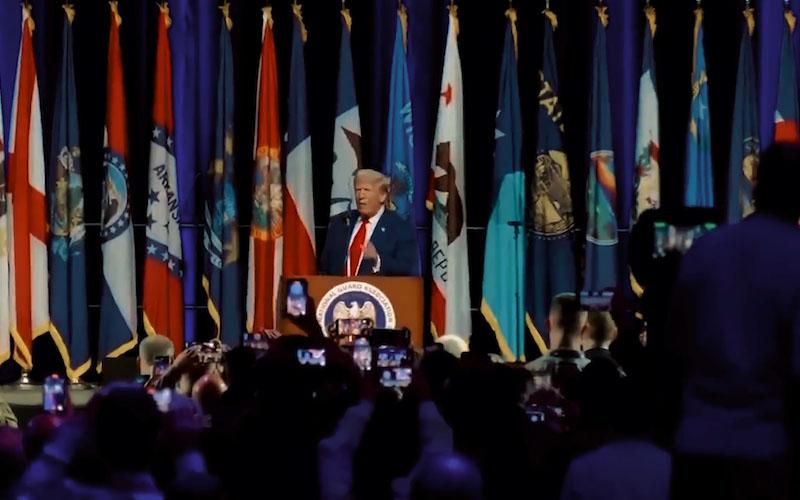
During his televised meeting with Trump in the Oval Office, Rutte specifically highlighted the increased defense spending by European allies and Canada, referring to it as "Trump's trillion"—intending to send a clear signal that Europe has responded to US demands and is building "NATO 3.0."
The data confirms this trend:
In 2025, NATO member states outside the United States will increase their military spending by 20% compared to 2024, reaching $574 billion.
German spending increased by 24% to $114 billion, and is projected to reach approximately $180 billion by 2029—about three times the amount in 2024.
However, the pace and scale of spending growth are at risk of straining defense contractors' production capacity. Europe has ordered approximately $300 billion worth of weapons from US companies, but the defense industry is struggling to keep up with the surging demand.
"We've basically reached the limit of our absorption capacity," Lütt admitted. There are currently two main bottlenecks:
Industrial capacity is strained – supply chains are already stretched thin due to the conflict in Ukraine and the need to rebuild stockpiles after the United States and its allies have exhausted large amounts of ammunition in their conflict with Iran.
Limited manpower expansion – the ability to recruit and train new soldiers to expand combat forces is also limited.
Even more worrying is the issue of efficiency. Some countries, in an effort to protect their domestic businesses, are still engaging in redundant construction, for example, producing far too many different types of armored vehicles. This fragmented production is not only inefficient but also crowds out funding for critical areas such as air defense systems and deep-strike missiles. Large systems that require the integration of armed forces across Europe—such as intelligence, communications, and reconnaissance capabilities—may also face the risk of insufficient funding.
“Overcoming these obstacles is a key issue we must discuss next week,” Rutte said. With funding in place and the defense industrial base ramping up production, “we are indeed accelerating this process.”
U.S. Ambassador to NATO Matthew Whittaker emphasized last Wednesday that progress at the Ankara meeting was crucial. “It’s not just about spending money,” he said. “Ultimately, it’s about the capabilities that come with those expenditures.”
Whittaker called for greater integration among European defense companies: “There is a real need to drive coordination and integration across the entire defense industry to improve efficiency in order to produce more much-needed equipment”—including air defense systems, precision-guided deep strike weapons, and unmanned systems.
He also warned: "We will make sure that all these expenditures are not simply swallowed up by inflation. These funds must be translated into real systems, equipment, armaments, and weapons."
NATO and industry officials have revealed that the price of 155mm artillery shells—NATO's most basic ammunition—has more than quadrupled since Russia's invasion of Ukraine in 2022, due to supply bottlenecks caused by surging budgets.
In response to this situation, NATO will host an industry forum concurrently with the leaders' meeting in Ankara, inviting executives from weapons manufacturers and government planners to discuss how to accelerate and expand production. NATO officials are expected to announce contracts, preliminary agreements, and joint production agreements worth billions of dollars at Tuesday's event.
The West is currently confronting a Russian economy that has entered a state of war—its resources and production capacity across all sectors have been committed to the war effort. Europe has not yet reached that level, but public attitudes have shifted significantly. Rutte stated that since Russia launched the largest ground war in Europe since World War II in 2022, support for increased military spending has increased significantly across the continent.
“The current shift in mindset is that defense must be at the heart and top of all our work,” Rutte said. “This encompasses the defense industrial base, as well as traditional industries, and we need to think carefully about how they can provide support.”
NATO can also learn valuable lessons from Ukraine, particularly recognizing the critical importance of building a sufficiently flexible defense industry—one capable of rapidly innovating, developing, and adapting new weapons to changing battlefield conditions. Ukraine has done this remarkably successfully in the field of drones.
"The key is not in producing drones, but in having the capacity to produce them, because the technology itself is constantly iterating and changing every two or three weeks," Rutte concluded.
The Ankara Summit marks a significant step for NATO in transitioning from an "era of commitments" to an "era of delivery." While substantial increases in European defense spending have injected new vitality into the alliance, bottlenecks in production capacity, industrial fragmentation, and efficiency issues, if not effectively addressed, may prevent these massive investments from translating into substantial deterrence. Trump's pressure has accelerated this process, and the alliance needs to achieve sustainable enhancement of collective defense capabilities through industrial integration, innovative cooperation, and transparent reporting mechanisms to address complex geopolitical security challenges.
Q1: What are the specific details of NATO's new defense spending targets?
A: Following the 2025 Hague Summit, NATO allies pledged to increase defense and related spending to 5% of GDP by 2035, with 3.5% allocated to core defense (equipment, personnel, operations, etc.) and 1.5% to defense-related areas (such as cybersecurity, infrastructure, and military mobility). By 2025, European allies and Canada had already achieved approximately 20% growth, reaching around $574 billion, but the focus has shifted to translating funding into actual capabilities rather than simply making numerical commitments.
Q2: Why is Europe's military spending growth facing an "absorption capacity limit"?
A: Surging demand exceeds industrial capacity, and the production of ammunition and other supplies cannot keep up due to the strain of the conflict in Ukraine and supply chain disruptions. At the same time, human resource bottlenecks are prominent; recruit training and troop expansion require time. The more than fourfold increase in artillery shell prices is a prime example, necessitating joint procurement and capacity expansion within the coalition to address these challenges.
Q3: How will Trump's attitude toward NATO affect the summit?
A: Trump's repeated criticisms of Europe's insufficient contributions and his hints at possible adjustments to U.S. military commitments have spurred accelerated European spending ("Trump's trillions"). Despite his attendance at the Ankara summit, continued pressure has prompted figures like Rutte to emphasize that Europe has responded significantly, aiming to ease transatlantic tensions while focusing on capability delivery rather than just spending money.
Q4: What practical results will the summit's industry forums produce?
A: Billions of dollars in contracts, preliminary agreements, and joint production projects are expected to be announced, with a focus on consolidating the defense industry, reducing fragmentation, and increasing production of air defense, strike, and unmanned systems. The goal is to learn from Ukraine's innovative experience and establish flexible production capacity to address dynamic threats.
Q5: How does NATO balance the threat from Russia with internal coordination?
A: Eastern flank countries lead in spending, and the summit will strengthen collective defense (Article 5) while promoting the integration of capabilities across the alliance. While the US role remains uncertain, European growth has made the alliance more resilient. In the long term, it is necessary to overcome national protectionism and achieve transatlantic industrial cooperation to address challenges from Russia and other countries.
When NATO Secretary General Mark Rutte takes office in 2024, his biggest challenge will be to push European member states to increase defense spending. Now, with hundreds of billions of dollars of new money flowing into national militaries, the question has shifted from "where does the money come from" to "how can the money be quickly converted into real combat power and weapons and ammunition."
“A year ago the focus was on pledging increased spending,” Rutte told The Wall Street Journal. “This year the focus is on delivering.” This shift will be a central topic at the NATO summit in Ankara, Turkey, this week.
This is a critical and urgent task. NATO allies are besieged on all sides: to the east, an increasingly belligerent and well-equipped Russia; and to the west, a US president who has openly questioned the value of NATO, whose aides have hinted at plans to reduce US military commitments to Europe. Just last Thursday, Trump posted on Truth Social complaining about European defense spending and claiming that the US has received "no benefit" from remaining in NATO.
"Trump's trillion-dollar bill": European military spending has increased significantly, but its absorption capacity has reached its limit.
During his televised meeting with Trump in the Oval Office, Rutte specifically highlighted the increased defense spending by European allies and Canada, referring to it as "Trump's trillion"—intending to send a clear signal that Europe has responded to US demands and is building "NATO 3.0."
The data confirms this trend:
In 2025, NATO member states outside the United States will increase their military spending by 20% compared to 2024, reaching $574 billion.
German spending increased by 24% to $114 billion, and is projected to reach approximately $180 billion by 2029—about three times the amount in 2024.
However, the pace and scale of spending growth are at risk of straining defense contractors' production capacity. Europe has ordered approximately $300 billion worth of weapons from US companies, but the defense industry is struggling to keep up with the surging demand.
"We've basically reached the limit of our absorption capacity," Lütt admitted. There are currently two main bottlenecks:
Industrial capacity is strained – supply chains are already stretched thin due to the conflict in Ukraine and the need to rebuild stockpiles after the United States and its allies have exhausted large amounts of ammunition in their conflict with Iran.
Limited manpower expansion – the ability to recruit and train new soldiers to expand combat forces is also limited.
Fragmented production and redundant construction: a lot of money is spent, but not smart enough.
Even more worrying is the issue of efficiency. Some countries, in an effort to protect their domestic businesses, are still engaging in redundant construction, for example, producing far too many different types of armored vehicles. This fragmented production is not only inefficient but also crowds out funding for critical areas such as air defense systems and deep-strike missiles. Large systems that require the integration of armed forces across Europe—such as intelligence, communications, and reconnaissance capabilities—may also face the risk of insufficient funding.
“Overcoming these obstacles is a key issue we must discuss next week,” Rutte said. With funding in place and the defense industrial base ramping up production, “we are indeed accelerating this process.”
The US ambassador called for integration: it's not just about spending money, but also about buying capabilities.
U.S. Ambassador to NATO Matthew Whittaker emphasized last Wednesday that progress at the Ankara meeting was crucial. “It’s not just about spending money,” he said. “Ultimately, it’s about the capabilities that come with those expenditures.”
Whittaker called for greater integration among European defense companies: “There is a real need to drive coordination and integration across the entire defense industry to improve efficiency in order to produce more much-needed equipment”—including air defense systems, precision-guided deep strike weapons, and unmanned systems.
He also warned: "We will make sure that all these expenditures are not simply swallowed up by inflation. These funds must be translated into real systems, equipment, armaments, and weapons."
Real-world pressures: Artillery shell prices have quadrupled, prompting industry forums to seek breakthroughs.
NATO and industry officials have revealed that the price of 155mm artillery shells—NATO's most basic ammunition—has more than quadrupled since Russia's invasion of Ukraine in 2022, due to supply bottlenecks caused by surging budgets.
In response to this situation, NATO will host an industry forum concurrently with the leaders' meeting in Ankara, inviting executives from weapons manufacturers and government planners to discuss how to accelerate and expand production. NATO officials are expected to announce contracts, preliminary agreements, and joint production agreements worth billions of dollars at Tuesday's event.
Lessons from the Ukraine conflict: Production capacity is more important than products.
The West is currently confronting a Russian economy that has entered a state of war—its resources and production capacity across all sectors have been committed to the war effort. Europe has not yet reached that level, but public attitudes have shifted significantly. Rutte stated that since Russia launched the largest ground war in Europe since World War II in 2022, support for increased military spending has increased significantly across the continent.
“The current shift in mindset is that defense must be at the heart and top of all our work,” Rutte said. “This encompasses the defense industrial base, as well as traditional industries, and we need to think carefully about how they can provide support.”
NATO can also learn valuable lessons from Ukraine, particularly recognizing the critical importance of building a sufficiently flexible defense industry—one capable of rapidly innovating, developing, and adapting new weapons to changing battlefield conditions. Ukraine has done this remarkably successfully in the field of drones.
"The key is not in producing drones, but in having the capacity to produce them, because the technology itself is constantly iterating and changing every two or three weeks," Rutte concluded.
Editor's Summary
The Ankara Summit marks a significant step for NATO in transitioning from an "era of commitments" to an "era of delivery." While substantial increases in European defense spending have injected new vitality into the alliance, bottlenecks in production capacity, industrial fragmentation, and efficiency issues, if not effectively addressed, may prevent these massive investments from translating into substantial deterrence. Trump's pressure has accelerated this process, and the alliance needs to achieve sustainable enhancement of collective defense capabilities through industrial integration, innovative cooperation, and transparent reporting mechanisms to address complex geopolitical security challenges.
Frequently Asked Questions
Q1: What are the specific details of NATO's new defense spending targets?
A: Following the 2025 Hague Summit, NATO allies pledged to increase defense and related spending to 5% of GDP by 2035, with 3.5% allocated to core defense (equipment, personnel, operations, etc.) and 1.5% to defense-related areas (such as cybersecurity, infrastructure, and military mobility). By 2025, European allies and Canada had already achieved approximately 20% growth, reaching around $574 billion, but the focus has shifted to translating funding into actual capabilities rather than simply making numerical commitments.
Q2: Why is Europe's military spending growth facing an "absorption capacity limit"?
A: Surging demand exceeds industrial capacity, and the production of ammunition and other supplies cannot keep up due to the strain of the conflict in Ukraine and supply chain disruptions. At the same time, human resource bottlenecks are prominent; recruit training and troop expansion require time. The more than fourfold increase in artillery shell prices is a prime example, necessitating joint procurement and capacity expansion within the coalition to address these challenges.
Q3: How will Trump's attitude toward NATO affect the summit?
A: Trump's repeated criticisms of Europe's insufficient contributions and his hints at possible adjustments to U.S. military commitments have spurred accelerated European spending ("Trump's trillions"). Despite his attendance at the Ankara summit, continued pressure has prompted figures like Rutte to emphasize that Europe has responded significantly, aiming to ease transatlantic tensions while focusing on capability delivery rather than just spending money.
Q4: What practical results will the summit's industry forums produce?
A: Billions of dollars in contracts, preliminary agreements, and joint production projects are expected to be announced, with a focus on consolidating the defense industry, reducing fragmentation, and increasing production of air defense, strike, and unmanned systems. The goal is to learn from Ukraine's innovative experience and establish flexible production capacity to address dynamic threats.
Q5: How does NATO balance the threat from Russia with internal coordination?
A: Eastern flank countries lead in spending, and the summit will strengthen collective defense (Article 5) while promoting the integration of capabilities across the alliance. While the US role remains uncertain, European growth has made the alliance more resilient. In the long term, it is necessary to overcome national protectionism and achieve transatlantic industrial cooperation to address challenges from Russia and other countries.
- Risk Warning and Disclaimer
- The market involves risk, and trading may not be suitable for all investors. This article is for reference only and does not constitute personal investment advice, nor does it take into account certain users’ specific investment objectives, financial situation, or other needs. Any investment decisions made based on this information are at your own risk.