Silver prices hit a new low for the year, and the gold-silver ratio may continue to rise after breaking through 76.
2026-10-30 14:08:26
Precious metals are under pressure from persistent inflation and rising US Treasury yields. A recent report from MetalsFocus indicates that while gold is holding up key support around $4,000, silver has hit a new low for the year. Weakening investment demand and significantly improved liquidity in the spot market, along with multiple negative fundamental factors, continue to weigh on silver prices, pushing the gold-silver ratio to a recent high.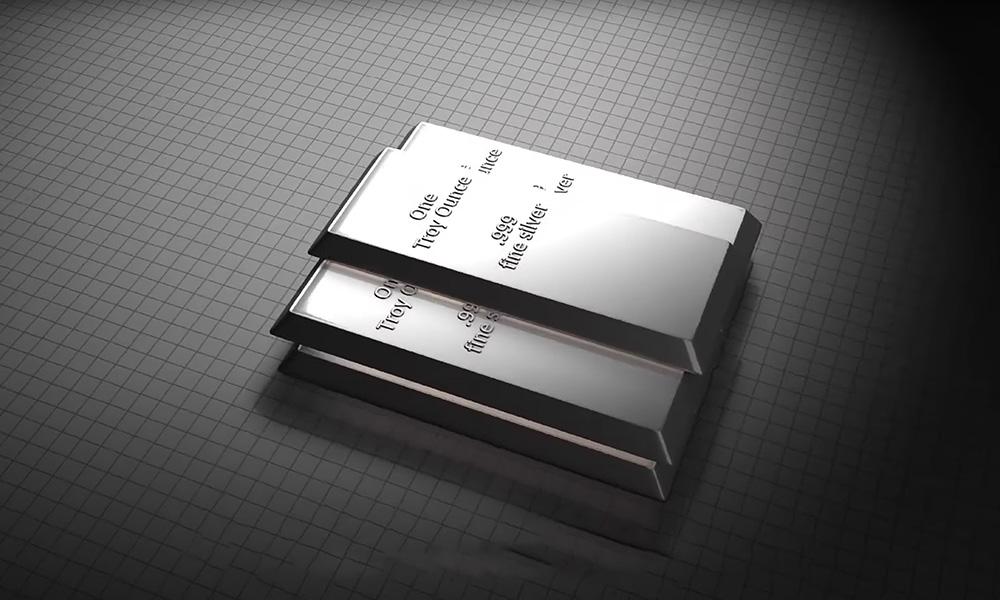
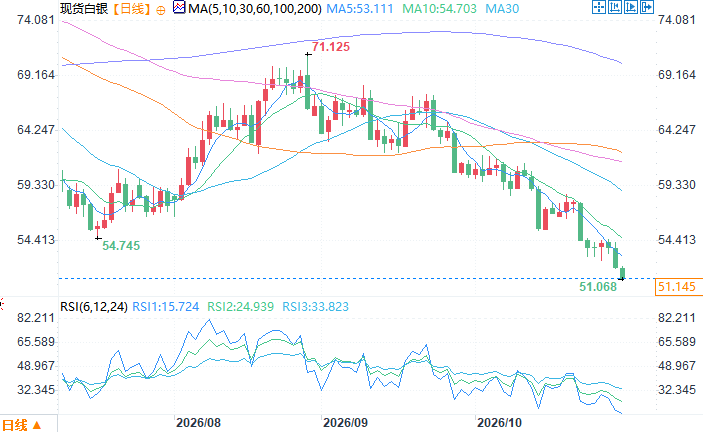 Spot silver daily chart source: FX678. As of 14:07 Beijing time on October 30th, spot silver was trading at $50.93 per ounce.
Gold and silver prices diverged significantly, with the gold-silver ratio breaking through 76.
In this round of precious metals sell-off, silver experienced greater volatility, with a significantly larger decline than gold. The gold-silver ratio rose above 76, the first time it has broken through this level since December 2025, whereas for most of the summer, the ratio fluctuated between 60 and 70. The gold-silver ratio has risen by more than 11% year-to-date. Although it has not yet reached the 2020-2025 average of 82, institutions believe that the negative factors for silver have not yet been fully priced in, and the ratio still has room to rise. The situation in Iran has pushed up oil prices and exacerbated inflation concerns, coupled with expectations of a hawkish Federal Reserve policy, all of which have amplified the downward pressure on precious metals. The Federal Reserve kept interest rates unchanged this week but maintained a tightening bias. The CME FedWatch Tool shows that the market is pricing in an 80% probability of a 25 basis point rate hike in December, and expects at least two more rate hikes in 2027. Higher interest rates and US Treasury yields have increased the opportunity cost of holding non-interest-bearing precious metals.Differences in properties result in varying degrees of resilience; gold serves as a safe haven and provides a floor, while silver is highly tied to industrial demand.
The difference in the resilience of the two fundamentals stems from their different asset attributes. Gold possesses monetary attributes; central banks continue to purchase gold, and long-term funds allocate gold to hedge against geopolitical and macroeconomic risks, providing a buffer for gold prices through safe-haven buying. Silver, on the other hand, relies more on industrial demand and speculative funds, making it more sensitive to changes in capital flows. The tight spot liquidity situation that previously drove up silver prices in late 2025 and early 2026 has largely subsided. Silver inventories in London vaults have climbed to a near four-year high of 932 million ounces, and tradable inventories excluding ETF holdings have reached 267 million ounces, almost double the low point in October 2025, significantly easing supply constraints.Investment demand weakened across the board, and physical buying remained sluggish.
Demand for silver on the investment side has shrunk across the board. Since the beginning of the year, silver ETF holdings have seen a cumulative outflow of approximately 60 million ounces, with a large amount of existing silver flowing back into the physical market. Initial outflows were due to profit-taking, but subsequent outflows reflected a lack of investor confidence and a failure to attract new funds. Net long positions in CME silver futures managed by asset managers have fallen to 17 million ounces, the lowest level since February 2024. Demand for physical silver coins is equally dismal. Institutional surveys show that sales of silver coins from major mints plummeted by over 80% quarter-on-quarter in the second quarter, marking the lowest quarterly sales since the survey began in 2010; while there was a slight recovery in the third quarter, sales were still 22% lower than the same period last year. High prices have suppressed consumption of jewelry and silverware, and industrial sectors such as photovoltaics are also showing a trend of reducing silver holdings and seeking alternative materials.The supply and demand dynamics have reversed, making a repeat of the run on deposits unlikely in the short term.
MetalsFocus predicts that the global silver supply-demand gap will narrow further this year, turning into a supply surplus by 2027. A short-term squeeze driven by tight inventories is unlikely to recur. While institutions are generally bearish on the outlook for silver, they do not believe it will continue to underperform gold. Silver's price action over the next year will likely follow gold's lead, with short-term high interest rates and high bond yields still posing downside risks.Conclusion
Gold has held up support thanks to safe-haven demand and central bank gold purchases, while silver is facing multiple headwinds due to increased supply and weakening investment and industrial demand. The rising gold-silver ratio reflects market sentiment. For silver to reverse its downward trend, it needs not only a stabilization in gold prices but also an improvement in its own fundamentals. Spot silver daily chart source: FX678. As of 14:07 Beijing time on October 30th, spot silver was trading at $50.93 per ounce.
- Risk Warning and Disclaimer
- The market involves risk, and trading may not be suitable for all investors. This article is for reference only and does not constitute personal investment advice, nor does it take into account certain users’ specific investment objectives, financial situation, or other needs. Any investment decisions made based on this information are at your own risk.