The Bank of Japan held rates steady, but internal divisions widened significantly, and signals of tightening continued to intensify.
2026-04-28 14:38:08
On April 28th local time, the Bank of Japan concluded its two-day monetary policy meeting, ultimately choosing to maintain the current policy rate at 0.75%, without initiating any interest rate hikes. This outcome was largely in line with market expectations. However, the voting results were clearly divided, with the final decision passed with 6 votes in favor and 3 against. The three members explicitly supported raising interest rates, demonstrating the growing strength of the tightening camp within the Bank of Japan's policy committee and the rising expectations of a tightening monetary policy.
Naomi Muguruma, a strategist at MUFG Morgan Stanley Securities, said it was rare for the Bank of Japan to have three dissenting votes at a meeting. While the Bank of Japan appeared to be keeping interest rates unchanged, it was actually a wait-and-see approach with a clear tightening bias.
The members who voted against raising the interest rate to 1% were Hajime Takata, Naoki Tamura, and Junko Nakagawa. Takata and Tamura have long held a tightening stance, which aligns with market expectations. However, Nakagawa, who previously leaned towards a centrist position, suddenly shifted her stance to support a rate hike, exceeding market expectations and further amplifying the uncertainty surrounding policy adjustments. Yusuke Matsuo, an economist at Mizuho Securities, analyzed that Nakagawa's change of position is strategically significant, intended to signal to the market that the demand for a rate hike is no longer limited to a few core hawkish members but is gradually forming a consensus within the central bank's decision-making body.
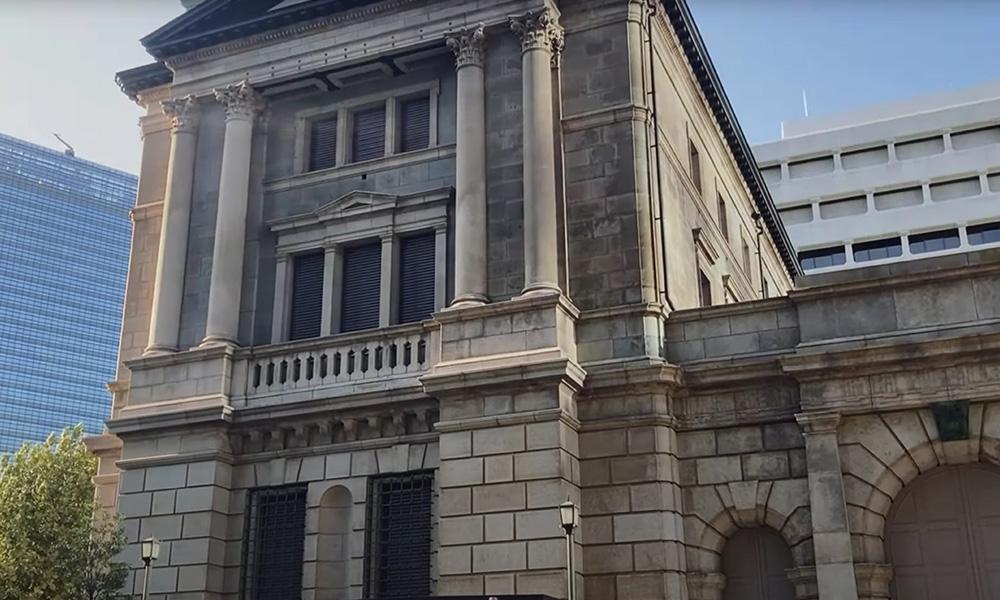
Following the announcement of the policy decision, the financial markets reacted quickly, with the yen strengthening in the short term. The USD/JPY exchange rate fell from around 159.50 before the decision to the 158.90 range in the short term, as the tightening expectations directly led to a recovery in the yen's valuation.
Currently, global central bank policies are moving in tandem, with the Federal Reserve and the European Central Bank planning to maintain their monetary policies unchanged this week, adopting a wait-and-see approach. Influenced by geopolitical uncertainties, most Asian central banks have also chosen to postpone policy adjustments, with only a few economies such as Australia, Singapore, and the Philippines implementing tightening measures ahead of schedule to address inflationary pressures.
Amidst ongoing geopolitical tensions that continue to disrupt commodity prices, persistently high energy costs are pushing up price levels in various countries while simultaneously suppressing consumption and production activities. The Japanese economy is now deeply mired in a double predicament of low growth and high inflation, requiring the central bank to weigh various factors in its policy-making process, significantly increasing the difficulty of regulation.
In light of the oil price surge caused by geopolitical conflicts in the Middle East, the Bank of Japan significantly raised its overall inflation forecast in its latest quarterly report, and also released its first economic and price projections for fiscal year 2028. The data shows that Japan's core consumer inflation forecast for fiscal year 2027 has been revised upward to 2.8%, far exceeding the previous forecast of 1.9%. Inflation forecasts for fiscal years 2028 and 2029 are 2.3% and 2.0% respectively, indicating a growing trend towards prolonged inflation.
Energy supply shocks have pushed up prices for goods and services, while geopolitical safe-haven demand has boosted the US dollar and continued to suppress the yen's exchange rate, further exacerbating the risk of imported inflation. Meanwhile, the Bank of Japan lowered its economic growth forecast for the current fiscal year from 1.0% to 0.5%, with growth rates projected at 0.7% and 0.8% for the following two fiscal years, respectively, indicating a continued weakening of economic recovery momentum.
The Bank of Japan pointed out that core inflation is now close to the policy target of 2%, and the pace of cost passing on by businesses and wage increases is accelerating. If inflation is allowed to continue to rise, it will drag down the economic recovery. Therefore, it is necessary to control the pace of policy and prevent prices from spiraling out of control.
According to Rokusha Harumi, the central bank's statement sends a clear warning signal: if policy adjustments lag behind, it could easily miss the opportune moment for intervention. Industry insiders generally predict that the Bank of Japan will likely raise interest rates to 1% at its June policy meeting.
At 14:37 Beijing time, the USD/JPY exchange rate is currently at 157.14/15.
Naomi Muguruma, a strategist at MUFG Morgan Stanley Securities, said it was rare for the Bank of Japan to have three dissenting votes at a meeting. While the Bank of Japan appeared to be keeping interest rates unchanged, it was actually a wait-and-see approach with a clear tightening bias.
The members who voted against raising the interest rate to 1% were Hajime Takata, Naoki Tamura, and Junko Nakagawa. Takata and Tamura have long held a tightening stance, which aligns with market expectations. However, Nakagawa, who previously leaned towards a centrist position, suddenly shifted her stance to support a rate hike, exceeding market expectations and further amplifying the uncertainty surrounding policy adjustments. Yusuke Matsuo, an economist at Mizuho Securities, analyzed that Nakagawa's change of position is strategically significant, intended to signal to the market that the demand for a rate hike is no longer limited to a few core hawkish members but is gradually forming a consensus within the central bank's decision-making body.
Exchange rates fluctuated accordingly, and central banks around the world simultaneously entered a wait-and-see period.
Following the announcement of the policy decision, the financial markets reacted quickly, with the yen strengthening in the short term. The USD/JPY exchange rate fell from around 159.50 before the decision to the 158.90 range in the short term, as the tightening expectations directly led to a recovery in the yen's valuation.
Currently, global central bank policies are moving in tandem, with the Federal Reserve and the European Central Bank planning to maintain their monetary policies unchanged this week, adopting a wait-and-see approach. Influenced by geopolitical uncertainties, most Asian central banks have also chosen to postpone policy adjustments, with only a few economies such as Australia, Singapore, and the Philippines implementing tightening measures ahead of schedule to address inflationary pressures.
Amidst ongoing geopolitical tensions that continue to disrupt commodity prices, persistently high energy costs are pushing up price levels in various countries while simultaneously suppressing consumption and production activities. The Japanese economy is now deeply mired in a double predicament of low growth and high inflation, requiring the central bank to weigh various factors in its policy-making process, significantly increasing the difficulty of regulation.
Economic expectations have been adjusted across the board, and medium- to long-term inflationary pressures are rising.
In light of the oil price surge caused by geopolitical conflicts in the Middle East, the Bank of Japan significantly raised its overall inflation forecast in its latest quarterly report, and also released its first economic and price projections for fiscal year 2028. The data shows that Japan's core consumer inflation forecast for fiscal year 2027 has been revised upward to 2.8%, far exceeding the previous forecast of 1.9%. Inflation forecasts for fiscal years 2028 and 2029 are 2.3% and 2.0% respectively, indicating a growing trend towards prolonged inflation.
Energy supply shocks have pushed up prices for goods and services, while geopolitical safe-haven demand has boosted the US dollar and continued to suppress the yen's exchange rate, further exacerbating the risk of imported inflation. Meanwhile, the Bank of Japan lowered its economic growth forecast for the current fiscal year from 1.0% to 0.5%, with growth rates projected at 0.7% and 0.8% for the following two fiscal years, respectively, indicating a continued weakening of economic recovery momentum.
With the interest rate hike window approaching, the subsequent policy path is gradually becoming clearer.
The Bank of Japan pointed out that core inflation is now close to the policy target of 2%, and the pace of cost passing on by businesses and wage increases is accelerating. If inflation is allowed to continue to rise, it will drag down the economic recovery. Therefore, it is necessary to control the pace of policy and prevent prices from spiraling out of control.
According to Rokusha Harumi, the central bank's statement sends a clear warning signal: if policy adjustments lag behind, it could easily miss the opportune moment for intervention. Industry insiders generally predict that the Bank of Japan will likely raise interest rates to 1% at its June policy meeting.
At 14:37 Beijing time, the USD/JPY exchange rate is currently at 157.14/15.
- Risk Warning and Disclaimer
- The market involves risk, and trading may not be suitable for all investors. This article is for reference only and does not constitute personal investment advice, nor does it take into account certain users’ specific investment objectives, financial situation, or other needs. Any investment decisions made based on this information are at your own risk.