The sharp drop in spot oil prices is only a temporary illusion; institutions warn that a new round of price increases could come at any time.
2026-05-14 13:30:49
In the past two months, the situation in the Middle East has disrupted the supply of crude oil, increasing the risk of supply disruptions and causing spot premiums to surge dramatically, with North Sea crude prices even surpassing their 2008 highs. As buyers actively control supply, deplete inventories, release strategic reserves, and replenish supplies from non-Middle Eastern sources, spot oil prices have fallen sharply from their peak, and the price spread has returned to a normal range. However, Standard Chartered Bank warns that the current cooling in spot prices is only a short-term buffer. Once restocking demand is released in a concentrated manner and refinery operations resume, spot oil prices will rebound again unless there is a reconciliation between the US and Iran.
The United States has become the biggest winner in this round of energy crisis due to its increased crude oil exports, while the supply pattern of jet fuel in Europe and the United States has also undergone structural adjustments.
Following the escalation of the Middle East conflict and Iran's blockade of the Strait of Hormuz, the market rushed to buy non-Middle Eastern spot crude oil, driving up spot premiums sharply. In mid-April, the price of North Sea Fortis crude oil soared to nearly $150 per barrel, surpassing the historical peak of 2008. The market had initially expected futures prices to converge with spot prices, but the trend reversed, with spot prices actively declining towards futures prices.
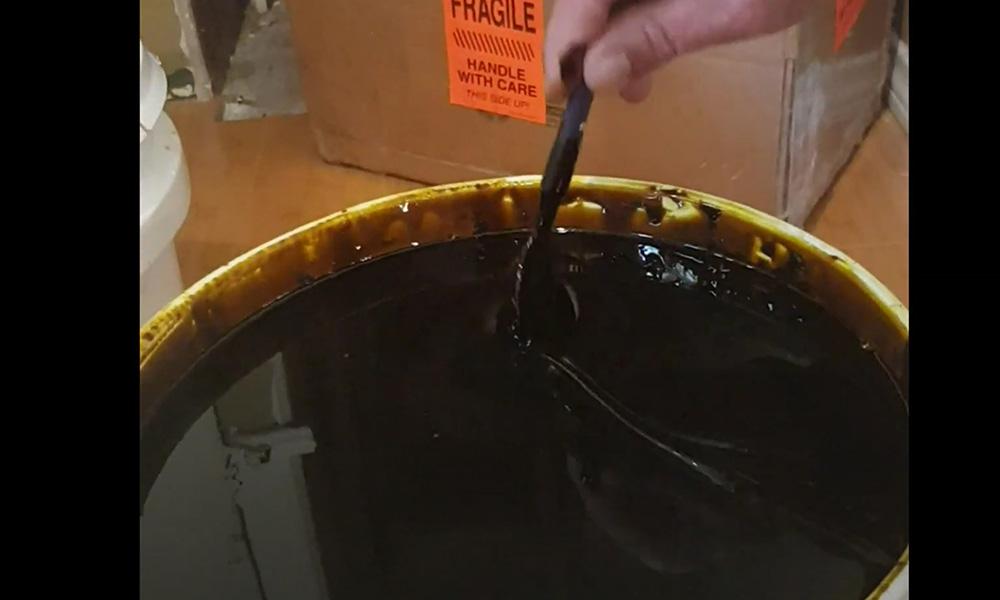
As of May 11, the premium of Brent crude oil futures over the near-month contract was only $0.43, with the weekly spread narrowing significantly by $11.31. Although Saudi Aramco's official selling prices remain at historically high levels, after recording the largest monthly increase in history in May, it proactively lowered its prices for Europe and Asia in June, indicating a clear cooling in the market in the short term.
Spot crude oil premiums plummeted, with some categories experiencing drops of up to 90%, primarily due to a combination of factors including buyers deliberately delaying high-price purchases, depleting commercial inventories, and increased supply from unrestricted production areas. The market is generally awaiting a de-escalation of tensions between the US and Iran and the reopening of the Strait of Hormuz, and is unwilling to chase higher prices.
The crude oil market experienced unusually volatile intraday trading, with daily price fluctuations often exceeding $10 per barrel. On March 9th, the intraday volatility of near-month Brent crude oil reached as high as $35, exacerbating the impact on portfolio risk value. Buyers, by delaying purchases, bringing forward refinery maintenance, and reducing operating rates, coupled with the release of global strategic reserves, collectively suppressed further surges in oil prices.
Standard Chartered analysts believe that the current low-price situation is unsustainable. If the US-Iran conflict cannot be resolved, as buyers can no longer postpone restocking, refineries gradually increase their operating rates, and the release of global strategic reserves comes to an end, spot oil prices will resume rising, driving futures prices closer to spot levels, thus setting the stage for a new round of price increases.
The United States has become the biggest beneficiary of this energy crisis. Data from the U.S. Energy Information Administration (EIA) shows that in the week ending April 24, 2026, U.S. crude oil exports surged to 6.4 million barrels per day, breaking historical records, with combined daily exports of crude oil and refined products reaching 12.9 million barrels. Eurasian refineries have increased their purchases of U.S. light shale oil to replace the strained crude oil supplies from the Persian Gulf.
Many Asian countries have significantly increased their purchases of US oil, and the United States has simultaneously utilized its commercial and strategic petroleum reserves, releasing reserve crude oil in batches and cooperating with the International Energy Agency to release approximately 400 million barrels of reserves globally, effectively making up for the supply gap in the Middle East.
The European Union Aviation Safety Agency has relaxed jet fuel standards, allowing Europe to widely adopt US-standard jet fuel, breaking traditional specification restrictions, broadening supply channels, and reducing reliance on the Middle East. Due to its specification characteristics, this category is more suitable for short-to-medium-haul, low-altitude routes, which has also led to a decline in jet fuel price spreads from their highs, and the futures market has shifted to a positive premium.
U.S. jet fuel inventories remained at seasonally high levels, with May 1st inventory levels exceeding the five-year average; however, inventories in core European storage areas rapidly declined, plummeting from around 1.1 million tons to 560,000 tons, gradually highlighting the tight supply situation in the region.
Overall, the pullback in crude oil spot prices from their highs is a result of short-term factors such as buyer hesitancy, inventory depletion, and replenishment of alternative sources, rather than a substantial improvement in the supply-demand balance. With refinery operating rates recovering, restocking demand nearing its end, and the release of strategic reserves nearing its conclusion, spot oil prices could resume their upward trend at any time without a breakthrough in geopolitical developments. The rise of US crude oil exports is reshaping the global supply landscape, and the divergence in jet fuel inventories between Europe and the US also suggests that further volatility in oil prices is possible.
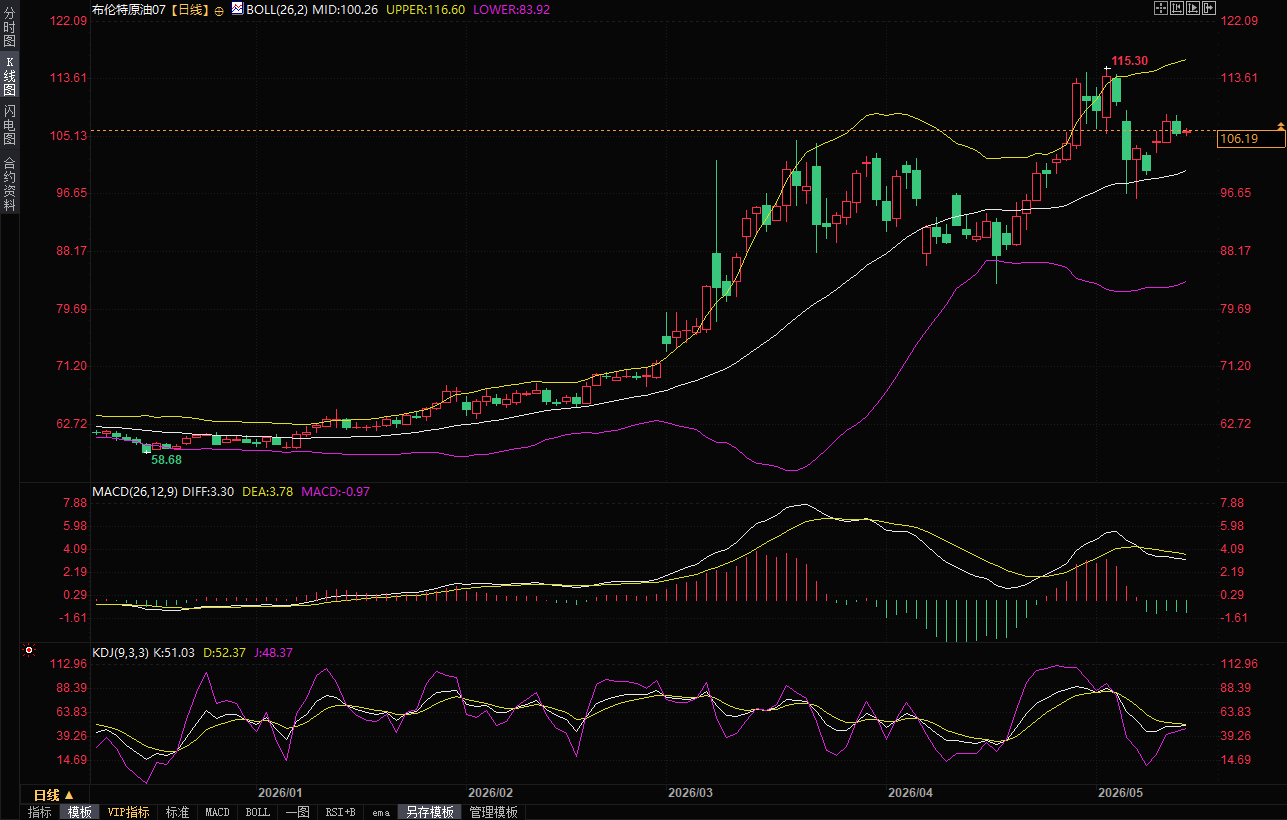
Brent crude oil July contract daily chart source: EasyForex
At 13:28 Beijing time on May 14, the Brent crude oil July contract was trading at $106.16 per barrel.
The United States has become the biggest winner in this round of energy crisis due to its increased crude oil exports, while the supply pattern of jet fuel in Europe and the United States has also undergone structural adjustments.
Spot oil prices fluctuated wildly, and the high premium quickly returned to normal.
Following the escalation of the Middle East conflict and Iran's blockade of the Strait of Hormuz, the market rushed to buy non-Middle Eastern spot crude oil, driving up spot premiums sharply. In mid-April, the price of North Sea Fortis crude oil soared to nearly $150 per barrel, surpassing the historical peak of 2008. The market had initially expected futures prices to converge with spot prices, but the trend reversed, with spot prices actively declining towards futures prices.
As of May 11, the premium of Brent crude oil futures over the near-month contract was only $0.43, with the weekly spread narrowing significantly by $11.31. Although Saudi Aramco's official selling prices remain at historically high levels, after recording the largest monthly increase in history in May, it proactively lowered its prices for Europe and Asia in June, indicating a clear cooling in the market in the short term.
Multiple buffers suppress high volatility in spot prices, exacerbating market risks.
Spot crude oil premiums plummeted, with some categories experiencing drops of up to 90%, primarily due to a combination of factors including buyers deliberately delaying high-price purchases, depleting commercial inventories, and increased supply from unrestricted production areas. The market is generally awaiting a de-escalation of tensions between the US and Iran and the reopening of the Strait of Hormuz, and is unwilling to chase higher prices.
The crude oil market experienced unusually volatile intraday trading, with daily price fluctuations often exceeding $10 per barrel. On March 9th, the intraday volatility of near-month Brent crude oil reached as high as $35, exacerbating the impact on portfolio risk value. Buyers, by delaying purchases, bringing forward refinery maintenance, and reducing operating rates, coupled with the release of global strategic reserves, collectively suppressed further surges in oil prices.
Institutions predict a market reversal and further upward momentum is still possible.
Standard Chartered analysts believe that the current low-price situation is unsustainable. If the US-Iran conflict cannot be resolved, as buyers can no longer postpone restocking, refineries gradually increase their operating rates, and the release of global strategic reserves comes to an end, spot oil prices will resume rising, driving futures prices closer to spot levels, thus setting the stage for a new round of price increases.
US crude oil exports hit a record high, becoming an important substitute for global supply.
The United States has become the biggest beneficiary of this energy crisis. Data from the U.S. Energy Information Administration (EIA) shows that in the week ending April 24, 2026, U.S. crude oil exports surged to 6.4 million barrels per day, breaking historical records, with combined daily exports of crude oil and refined products reaching 12.9 million barrels. Eurasian refineries have increased their purchases of U.S. light shale oil to replace the strained crude oil supplies from the Persian Gulf.
Many Asian countries have significantly increased their purchases of US oil, and the United States has simultaneously utilized its commercial and strategic petroleum reserves, releasing reserve crude oil in batches and cooperating with the International Energy Agency to release approximately 400 million barrels of reserves globally, effectively making up for the supply gap in the Middle East.
Jet fuel regulations relaxed, reshaping supply and causing inventory patterns to diverge in Europe and the US.
The European Union Aviation Safety Agency has relaxed jet fuel standards, allowing Europe to widely adopt US-standard jet fuel, breaking traditional specification restrictions, broadening supply channels, and reducing reliance on the Middle East. Due to its specification characteristics, this category is more suitable for short-to-medium-haul, low-altitude routes, which has also led to a decline in jet fuel price spreads from their highs, and the futures market has shifted to a positive premium.
U.S. jet fuel inventories remained at seasonally high levels, with May 1st inventory levels exceeding the five-year average; however, inventories in core European storage areas rapidly declined, plummeting from around 1.1 million tons to 560,000 tons, gradually highlighting the tight supply situation in the region.
Summarize
Overall, the pullback in crude oil spot prices from their highs is a result of short-term factors such as buyer hesitancy, inventory depletion, and replenishment of alternative sources, rather than a substantial improvement in the supply-demand balance. With refinery operating rates recovering, restocking demand nearing its end, and the release of strategic reserves nearing its conclusion, spot oil prices could resume their upward trend at any time without a breakthrough in geopolitical developments. The rise of US crude oil exports is reshaping the global supply landscape, and the divergence in jet fuel inventories between Europe and the US also suggests that further volatility in oil prices is possible.
Brent crude oil July contract daily chart source: EasyForex
At 13:28 Beijing time on May 14, the Brent crude oil July contract was trading at $106.16 per barrel.
- Risk Warning and Disclaimer
- The market involves risk, and trading may not be suitable for all investors. This article is for reference only and does not constitute personal investment advice, nor does it take into account certain users’ specific investment objectives, financial situation, or other needs. Any investment decisions made based on this information are at your own risk.